


Disability itself is not a barrier. We must stop making it one

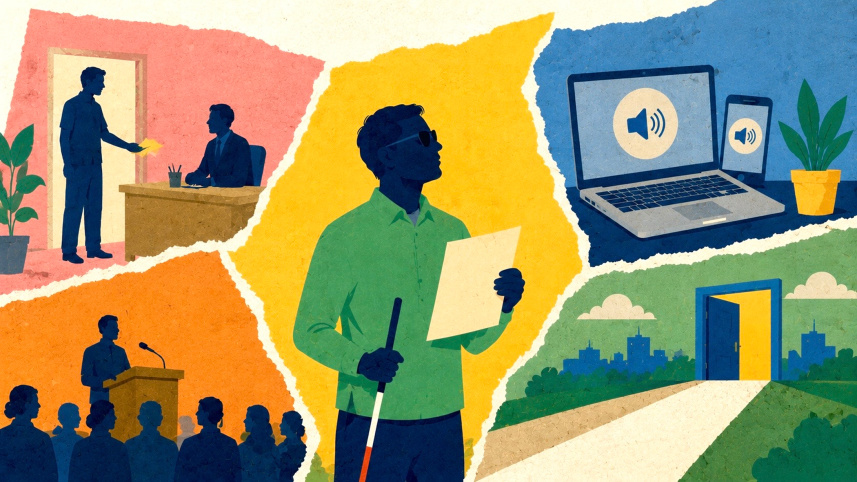
Many years ago, when I was a university student, I walked into a government office carrying an invitation letter. At the time, I was serving as president of the Rotaract Club of Islamabad, Chattogram, a youth organisation affiliated with Rotary International. I had gone to invite a senior government official to attend one of our club’s events as chief guest. Before I could meet him, an office assistant asked me to wait outside. A few minutes later, he returned. Without saying much, he slipped some money into my hand and said, “Sir will not be able to meet you today.”
For a moment, I was speechless. Holding a white cane, I had been mistaken for someone seeking charity. The thought that I might be there as the elected leader of a youth organisation had simply not crossed his mind. I politely returned the money and walked directly into the official’s office. After introducing myself and explaining the purpose of my visit, I handed him the invitation letter. He later attended the event and sincerely apologised. He admitted that he had never imagined a person with visual impairment could lead an organisation with more than a hundred members.

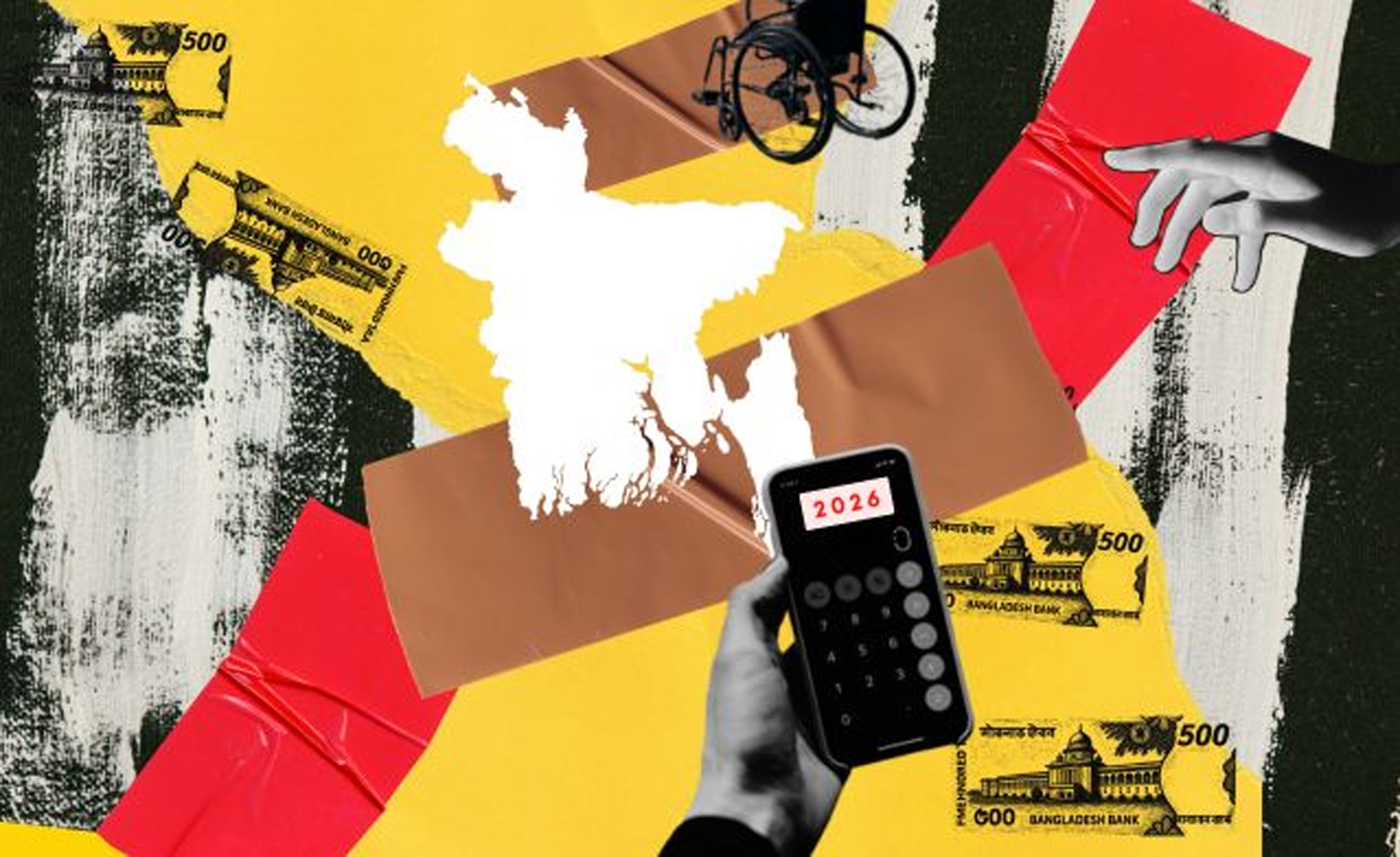
More than a decade later, I still remember that moment vividly. Not because of the money, but because it revealed something far bigger than a single individual’s misunderstanding. It exposed a mindset that remains deeply rooted in our society. Too often, we see disability before we see the person. We focus on limitations before we recognise potential. We assume dependence before we acknowledge leadership, talent, or expertise.
Throughout my career working on disability inclusion and digital accessibility in Bangladesh, I have repeatedly encountered this mindset. Many people still believe that persons with disabilities cannot use technology effectively, perform demanding jobs, or be in a position to lead. Yet, reality tells a very different story.
Today, technology has transformed what is possible. A person with visual impairment can use screen readers to navigate computers and smartphones, send emails, access government services, pursue higher education, conduct research, and work with organisations across the world. I know this, not because I have read about it, but because it is my reality every day.
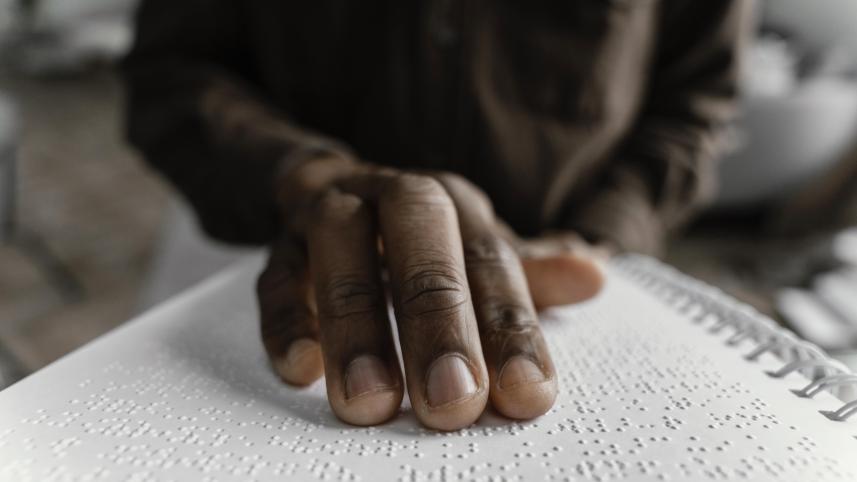
The problem is not disability itself. It is that our systems, services, and attitudes are often designed without considering everyone. An inaccessible website can exclude a qualified job seeker. An inaccessible mobile application can prevent someone from accessing financial services. A poorly designed government portal can deny citizens access to information and public services. In many cases, it is not the impairment that creates the barrier. The barrier is created by society.
This realisation is often eye-opening for many professionals who participate in the Disability and Digital Inclusion Training (DDT), an initiative of Aspire to Innovate (a2i) that I have had the privilege to help design and lead. The training brings together government officials, educators, technology professionals, development practitioners, UN organisations, and corporate representatives to learn about disability inclusion and digital accessibility. So far, more than 1,500 professionals have participated, including over 400 government officials.
One moment during these trainings never fails to leave an impression. Participants watch a screen reader user rapidly navigate a computer, browse websites, respond to emails, analyse information, and perform complex digital tasks independently. The room often falls silent. Many participants later admit that they never knew such things were possible. Their reaction is understandable. For years, society has taught us to associate disability with inability. As a result, we often underestimate what people with disabilities can achieve when given equal opportunities. But inclusion begins when those assumptions are challenged.
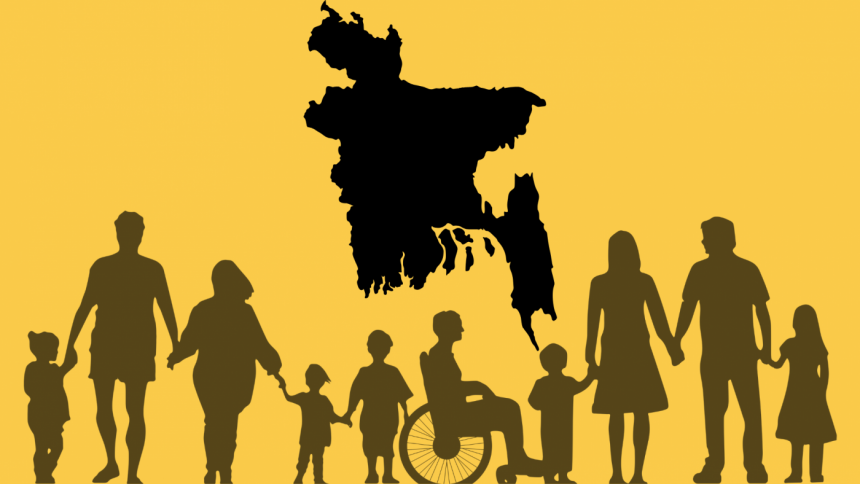
Bangladesh is moving rapidly towards a digital future. Government services, education, healthcare, banking, and employment opportunities are increasingly shifting online. This transformation holds enormous promise.
However, if accessibility is not built into this digital future, millions of citizens risk being left behind. Digital transformation without digital inclusion creates digital inequality. The good news is that accessibility benefits everyone. When websites are easier to navigate, information is clearer, and services are designed for diverse users, society as a whole becomes more inclusive and efficient. What persons with disabilities need is not sympathy. They need equal opportunities. They do not need charity. They need accessible systems, inclusive policies, and a society that recognises their rights and capabilities.
The young man who entered that government office years ago was not looking for help. He was extending an invitation. Today, thousands of persons with disabilities across Bangladesh are extending a similar invitation to society. An invitation to move beyond stereotypes. An invitation to replace pity with respect. An invitation to recognise ability instead of focusing on disability.
The question is whether we are ready to accept that invitation. Because disability is not what limits people. What limits people are inaccessible environments, exclusionary systems, and the assumptions we carry in our minds. If Bangladesh truly wants to build an inclusive future, we must stop asking what persons with disabilities cannot do and start recognising everything they can. That is where real inclusion begins.
Vashkar Bhattacharjee is a disability inclusion and digital accessibility expert. He is lead trainer and curriculum developer at Disability and Digital Inclusion Training (DDT). He can be reached at [email protected].
Views expressed in this article are the author's own.
Follow The Daily Star Opinion on Facebook for the latest opinions, commentaries, and analyses by experts and professionals. To contribute your article or letter to The Daily Star Opinion, see our guidelines for submission.
 For all latest news, follow The Daily Star's Google News channel.
Comments