China–Bangladesh Community: Bandwagoning, soft alignment, or rhetoric?

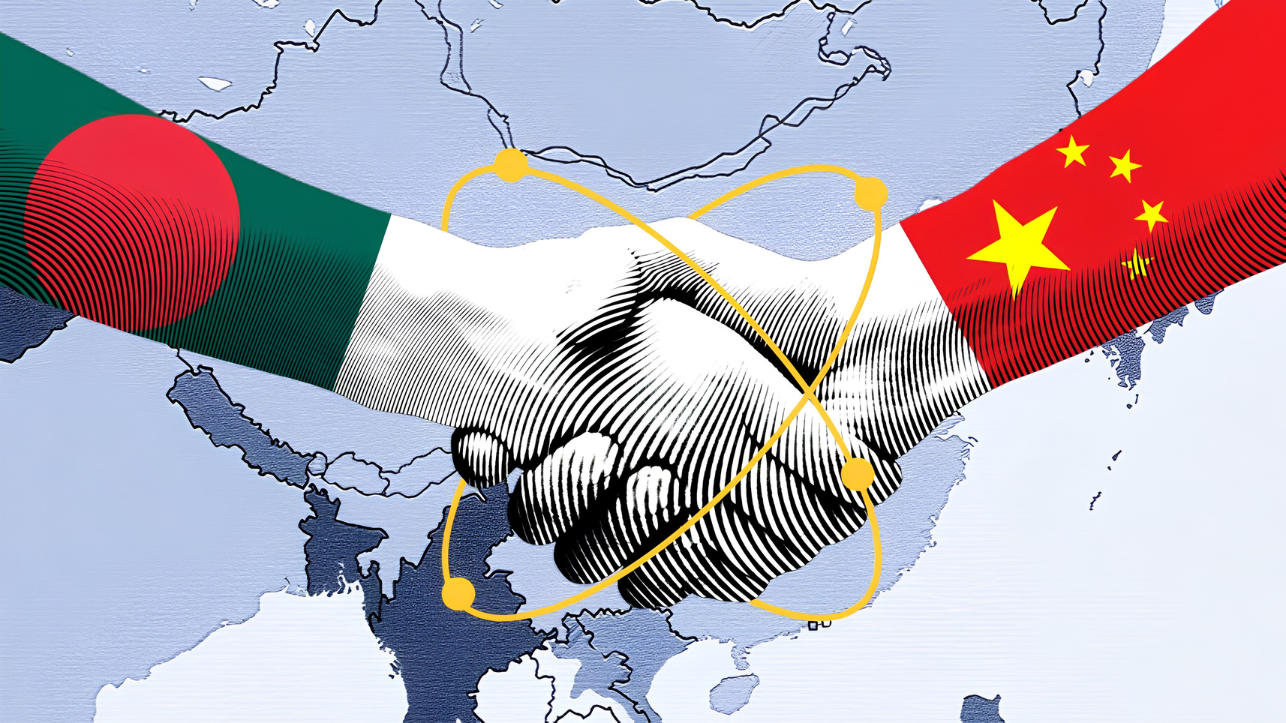
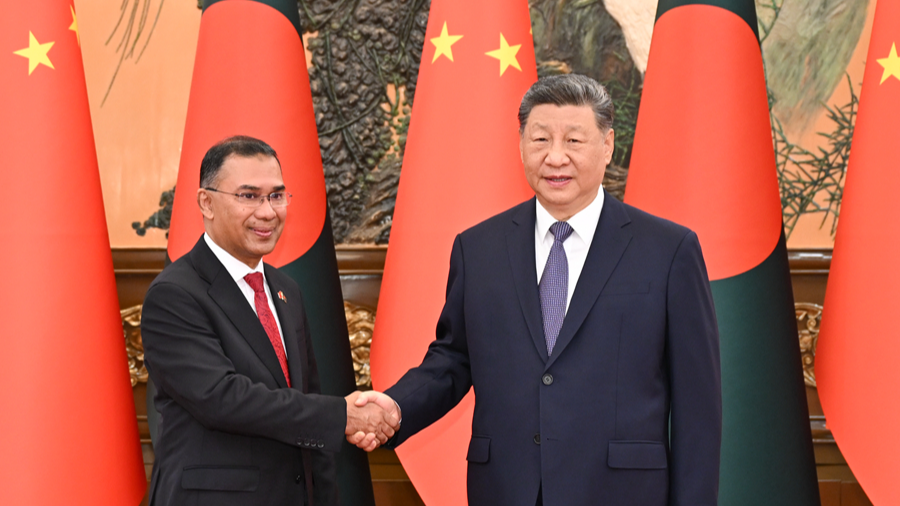
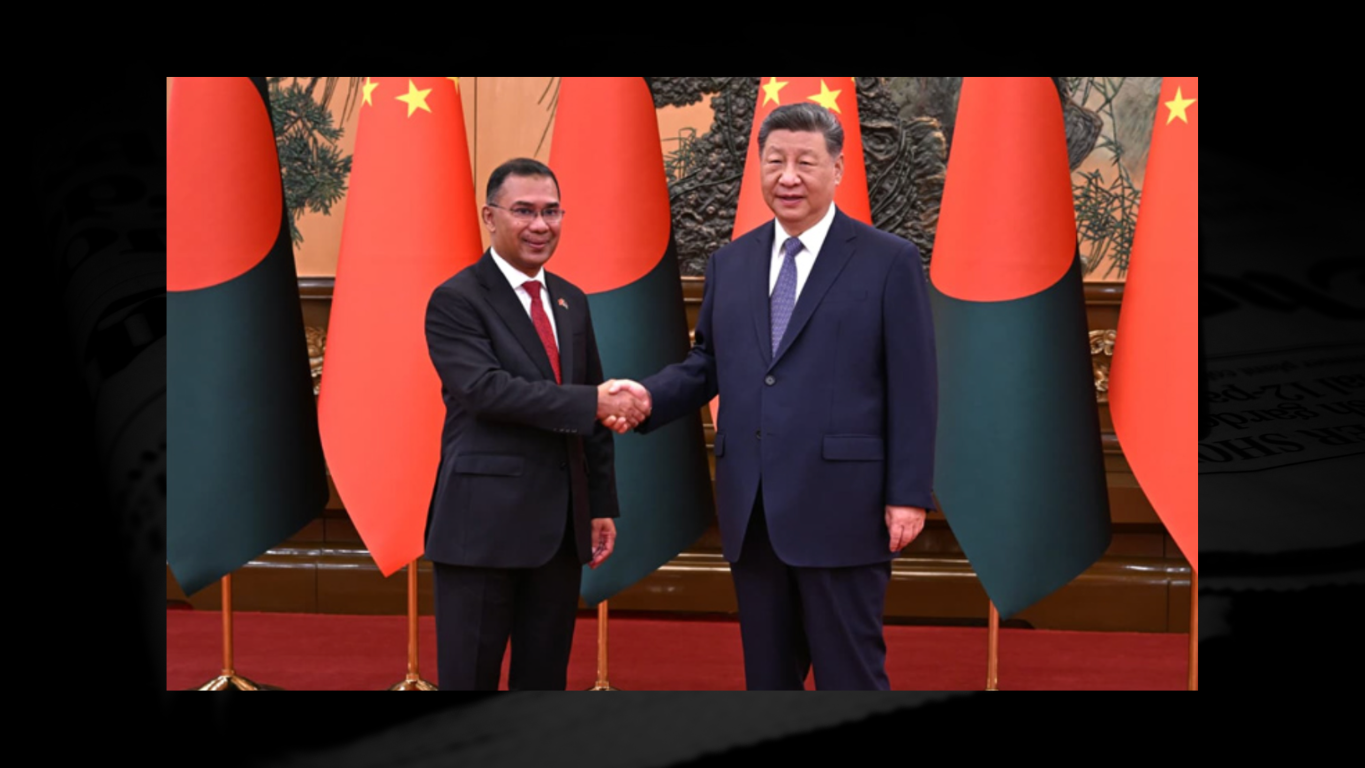
Bangladesh Prime Minister Tarique Rahman paid a maiden visit to China in June 2026, during which a few significant developments took place. Notable among them was the elevation of the comprehensive strategic cooperative partnership to jointly build a "China–Bangladesh community with a shared future in the new era." Bangladesh also supported the series of Global Initiatives. Another significant decision was to establish a mechanism for strategic dialogue between the foreign ministers and to explore a "2+2" dialogue mechanism on diplomacy and defence. These developments have generated keen interest among foreign policy analysts, with some interpreting them as Bangladesh's possible entry into China's sphere of influence. This article therefore seeks to clarify these concepts and put them into perspective.
Evolution of the Chinese vision of a global community with a shared future
The multiple crises of the 2008–10 period and the subsequent years demonstrated that China had reached an unprecedented level of capacity and resilience. Chinese advances in human resource development, technology, and innovation have made its industrial capacity and defence manufacturing largely independent and self-sustaining. Chinese President Xi Jinping floated the idea of the Belt and Road Initiative in 2013, confident in China's ability to shape global trade, the economy, and governance.
Shortly afterwards, China introduced the idea of a "global community of common destiny" in 2013. Soon, the term "common destiny" was replaced by the relatively less deterministic term "shared future." China gradually articulated this concept at various forums, including in New York (UNGA, 2015) and Geneva (2017). It proposes: (a) building partnerships based on the principle of equality; (b) creating a security environment featuring fairness, justice, joint efforts, and shared interests; (c) promoting open and inclusive development that benefits all; (d) increasing inter-civilisational exchanges that promote harmony and inclusiveness; and (e) building an ecosystem that puts Mother Nature and green development first.
During the COVID-19 pandemic and the subsequent period of economic uncertainty and challenges to multilateralism, China found it expedient to add further substance to its vision of a shared future. It then progressively introduced four Global Initiatives as the building blocks of the "shared future" concept. Within a decade of introducing the concept of a shared future, China had launched the Global Civilisation Initiative (GCI), the Global Development Initiative (GDI), and the Global Security Initiative (GSI) by 2023. The latest addition to this series is the Global Governance Initiative (GGI).
In China's Asian neighbourhood, many countries have agreed to sign on to the concept of a "community with a shared future." ASEAN members that have signed on to some form of a shared future include Laos, Cambodia, Myanmar, Vietnam, and Thailand (all mainland ASEAN countries), as well as the island nations of Malaysia and Indonesia. Among South Asian countries, the Maldives and Sri Lanka preceded Bangladesh in expressing their desire to be part of the global community with a shared future.
The Belt and Road Initiative and the four Global Initiatives
The Belt and Road Initiative (BRI) was launched as a mammoth transcontinental development project aimed at creating new drivers of shared development. Within a decade, more than three-quarters of the world's countries had associated themselves with the BRI. In China's neighbourhood, it has taken shape through projects such as the China–Pakistan Economic Corridor, the China–Laos Railway, the China–Myanmar Economic Corridor, and the Jakarta–Bandung High-Speed Railway, to name just a few. In Africa, the Mombasa–Nairobi Railway and the "600 Wells of Happiness" project in Malawi are notable examples.
The second initiative in the series has been the Global Development Initiative (GDI), with its focus on poverty reduction, pandemic response, food security, industrialisation, green development, and related areas. It gained immediate traction across the region. All ASEAN member states aligned with it sooner rather than later. In South Asia, the Maldives, Nepal, and Sri Lanka all responded positively to the initiative. More than 100 countries have expressed support for the GDI, which is broadly aligned with the Sustainable Development Goals.
In February 2023, China officially launched the Global Security Initiative (GSI) with the aim of working towards a more stable and peaceful world. This vision of global security emphasises dialogue and multilateral cooperation rather than unilateral actions or military interventions as the preferred means of resolving conflicts. Security through collaboration rather than confrontation is its guiding principle. China advocates four dimensions of security: (a) common security, to accommodate the legitimate security concerns of all; (b) comprehensive security, covering both traditional and non-traditional security; (c) cooperative security, promoting the security of both individual countries and the region as a whole through dialogue and cooperation; and (d) sustainable security, focusing on both development and security to ensure long-term stability.
China has bilateral security-level engagements and participates in regional and multilateral forums to further its security interests. Notable among them are China–ASEAN cooperation, ASEAN Plus Three cooperation, the East Asia Summit, the ASEAN Regional Forum, China–Japan–ROK cooperation, the Shanghai Cooperation Organisation, and the Conference on Interaction and Confidence-Building Measures in Asia (CICA), among others.
Through the Global Civilisation Initiative (GCI), China calls for promoting the diversity of civilisations, jointly advocating the common values of humanity, appreciating the evolution of civilisations, and encouraging greater dialogue among civilisations and inclusiveness. It aims to build bridges of understanding and reduce cultural prejudices.
A "community with a shared future" has also been elaborated as a guiding principle for future global governance. President Xi Jinping introduced the Global Governance Initiative (GGI) at the Shanghai Cooperation Organisation (SCO) Summit in September 2025. For decades, developing countries have argued that aspects of the current global governance system do not sufficiently reflect changing realities. Contemporary governance structures have been struggling to adapt to a world that has changed faster than the institutions designed to manage it.
In an effort to address these shortcomings, the GGI proposes five guiding principles: sovereign equality, the international rule of law, multilateralism, a people-centred approach, and tangible results. The GGI is presented as an effort to improve existing international institutions rather than replace them. For partner countries, the GGI represents an opportunity to participate in shaping the norms and institutions of the future. In sum, it is argued that the GGI reflects a confident and forward-looking contribution from China to the evolution of the international order and, in a sense, embodies all the previous Global Initiatives and their underlying principles.
The question that preoccupies Southeast Asia is whether partner countries are fully aligning themselves with China's positions through their endorsement of the Initiatives and the Vision, or whether these associations merely signal a rhetoric of deeper engagement without any strong desire to bandwagon with China. Similarly, in Bangladesh's case, with the added complexity of India's strategic interests, partnership with the Vision and association with the Chinese Initiatives may, at this stage, be more reflective of its desire to leverage Chinese influence to engage more closely with the financial and trade groupings in which China plays a leading role.
Critics, however, argue that China's current foreign policy initiatives seek to revive a China-centric worldview based on the belief that Chinese civilisation was the "natural centre of the cosmos" and that China's culture, governance, and philosophy were the most refined on Earth. They contend that the GGI seeks to replace the post-Second World War liberal international order with a potentially Sino-centric tributary system. It is further argued that China's objective is not only to expand its global influence but also to prevent other developing countries in the Global South, such as India, from becoming equal stakeholders in the international system.
Joint dialogue mechanisms
The United States began establishing joint dialogue mechanisms in the fields of diplomacy and defence several decades ago. Over the following six decades, it institutionalised various forms of joint dialogue mechanisms with friendly countries. Notable examples in the Asia–Pacific region include Japan (1960), Australia (1985), the Philippines (2012), India (2018), Thailand (2022), and Indonesia (2025). Most of these mechanisms operate at the officials' level to exchange views on foreign policy and defence. Countries such as Japan and Australia have also established similar mechanisms with several of their partners. India and the United States launched the 2+2 Dialogue in September 2018 as a "reflection of the shared commitment." The India–US 2+2 mechanism led to the signing of the India–US Basic Exchange and Cooperation Agreement (BECA) for geospatial cooperation. Over time, India also established 2+2 dialogues with its key Quad partners, Australia and Japan, and later expanded this format to include dialogue with Russia.
China followed this trend by establishing a 2+2 dialogue mechanism with the Republic of Korea in 2002 at the director-general level and launching high-level strategic security consultations with Russia in 2005. China began actively pursuing 2+2 joint dialogue mechanisms with its neighbours in Southeast Asia during President Xi Jinping's visits to Vietnam, Malaysia, and Cambodia in 2025. The objective was to create mechanisms for exchanging views on political and defence matters as part of a determined push for neighbourhood diplomacy. In the case of neighbouring Vietnam, this has taken the form of a 3+3 mechanism, whose mandate also includes public security, border issues, and counter-terrorism. Through such mechanisms, China seeks not only to expand comprehensive bilateral exchanges but also to present itself as a reliable and predictable partner in an increasingly unpredictable era.
Bangladesh's joining the trend of 2+2 mechanisms to enhance strategic options
Recent efforts to source military assets from Türkiye signal Bangladesh's intention to diversify its procurement by sourcing them from middle powers as well. Bangladesh and Türkiye have been in discussions to enhance defence cooperation, procure the SIPER long-range air defence system, and jointly manufacture defence equipment and combat drones. In May 2026, the two countries agreed to institutionalise a ministerial-level 2+2 mechanism.
Although China has traditionally been Bangladesh's principal source of military assets and technology, the ongoing negotiations to acquire 20–24 J-10CE multirole fighter aircraft from China, in a package estimated at US$2.2 billion, could prove to be a game changer. After Pakistan, Bangladesh would become only the second country to operate these aircraft, which possess beyond-visual-range precision-strike capabilities.
Bangladesh has also been seeking to procure military technology and hardware from other countries. It acquired the Thales Ground Master 403M radar system from France for Dhaka airport, capable of monitoring airspace and aircraft up to 350 nautical miles away. In April 2026, Bangladesh also procured a ship from the United Kingdom to enhance the Bangladesh Navy's operational capabilities, supporting hydrographic operations and maritime security.
Bangladesh depends on the West for exports, investment, technology, and overseas employment, while it depends on China for industrial inputs, infrastructure development, and defence supplies. At the same time, Bangladesh–India relations are longstanding and people-centric. As such, Bangladesh ought to be cautious and remain focused on mutually beneficial cooperation rather than becoming part of the strategic competition between the United States and its partners, including India, on the one hand, and China on the other, in their respective pursuit of strategic superiority. Bangladesh would demonstrate strategic maturity if it could avoid both competition and bandwagoning with either side while remaining committed to a carefully calibrated hedging strategy.
In parallel, Bangladesh is reported to be in advanced discussions with the United States on enhancing collaboration through the Acquisition and Cross-Servicing Agreement (ACSA) and the General Security of Military Information Agreement (GSOMIA). Viewed together, these arrangements would not bind Bangladesh to any military bloc or alliance but are intended to enhance operational flexibility and interoperability.
It is no secret that India, the regional hegemon, has been continuously modernising its air and naval capabilities and platforms, and Bangladesh's recent modernisation efforts are modest by comparison. For more than a decade, India has, in many ways, constrained Bangladesh's defence and strategic orientation, significantly limiting its strategic autonomy. Besides, Myanmar, Bangladesh's other neighbour, has also been quietly upgrading and modernising its air capabilities with MiG-29s, JF-17s, and Su-30s for years. The same applies to the Tatmadaw Navy's modernisation efforts.
Another important aspect that should not be overlooked is that the United States and the Western countries have not been particularly forthcoming in providing Bangladesh with access to modern armaments and military platforms. The vacuum created by this lack of engagement is now being partially filled by Türkiye and China.
Combined impact of the Vision, the Global Initiatives, and the Joint Dialogue Mechanisms
Through these Global Initiatives, China has been building communities with a shared future while expanding its influence in the fields of development, regional peace, and security. As evidence of making "a community with a shared future" a guiding principle of China's international relations, China has promoted regional articulations of the vision through various community-building frameworks in Africa, the Arab world, the Caribbean, the Pacific island countries, and ASEAN. The China–Central Asia Community with a Shared Future and the broader China–Central Asia community are also taking shape. The Lancang–Mekong Community is rapidly emerging as a challenger to the Greater Mekong Subregion initiative. This has stirred concerns in the West, where many fear that the post-Second World War international order could gradually be supplanted.
Critics in the West regard the Community concept as a ploy to create an alternative to the contemporary international order. They argue that, through these Initiatives and the Vision, China seeks to reshape the international system in a way that reflects both its values and interests, aligning institutions and norms with its own worldview to serve its strategic objectives.
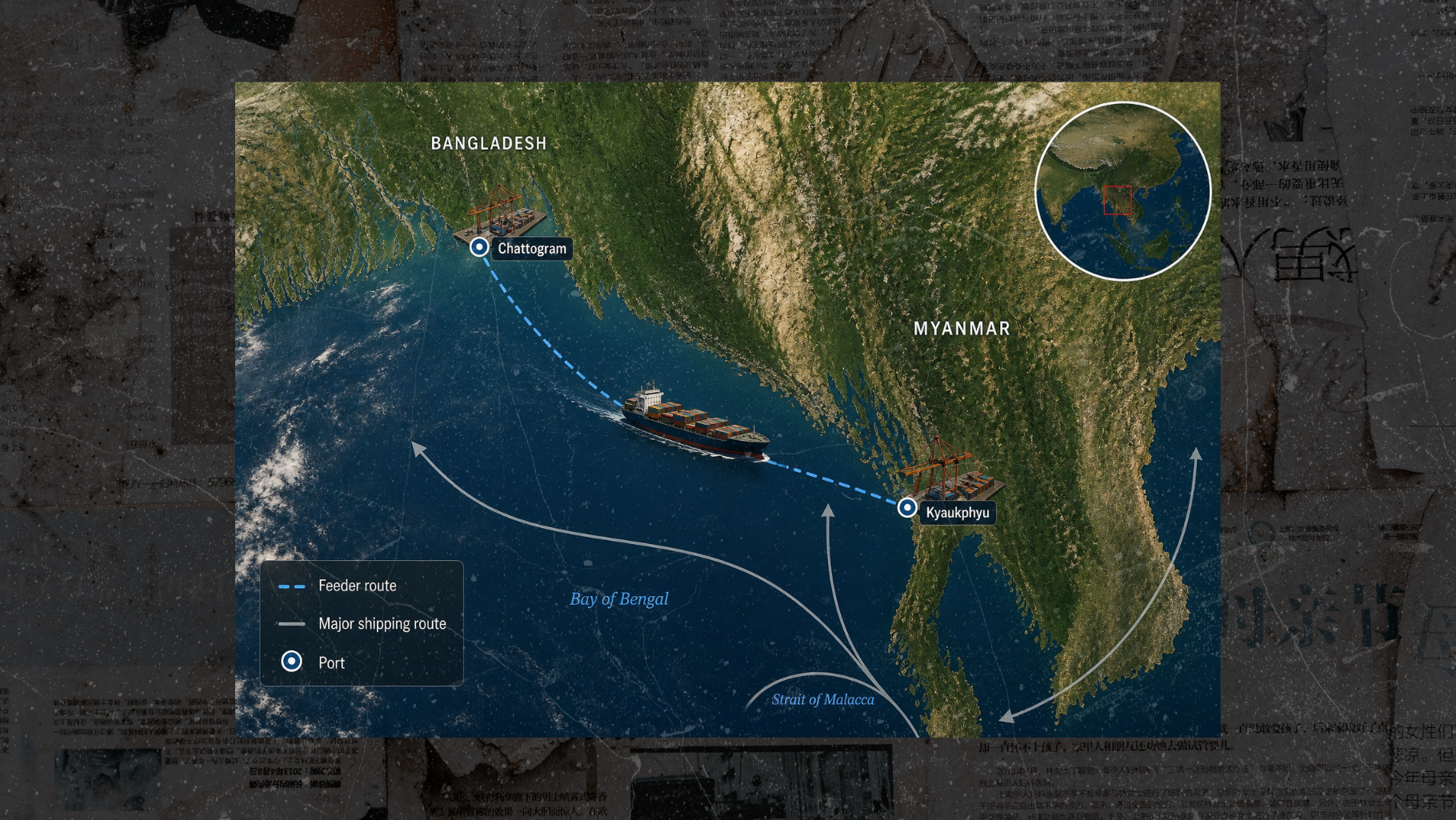
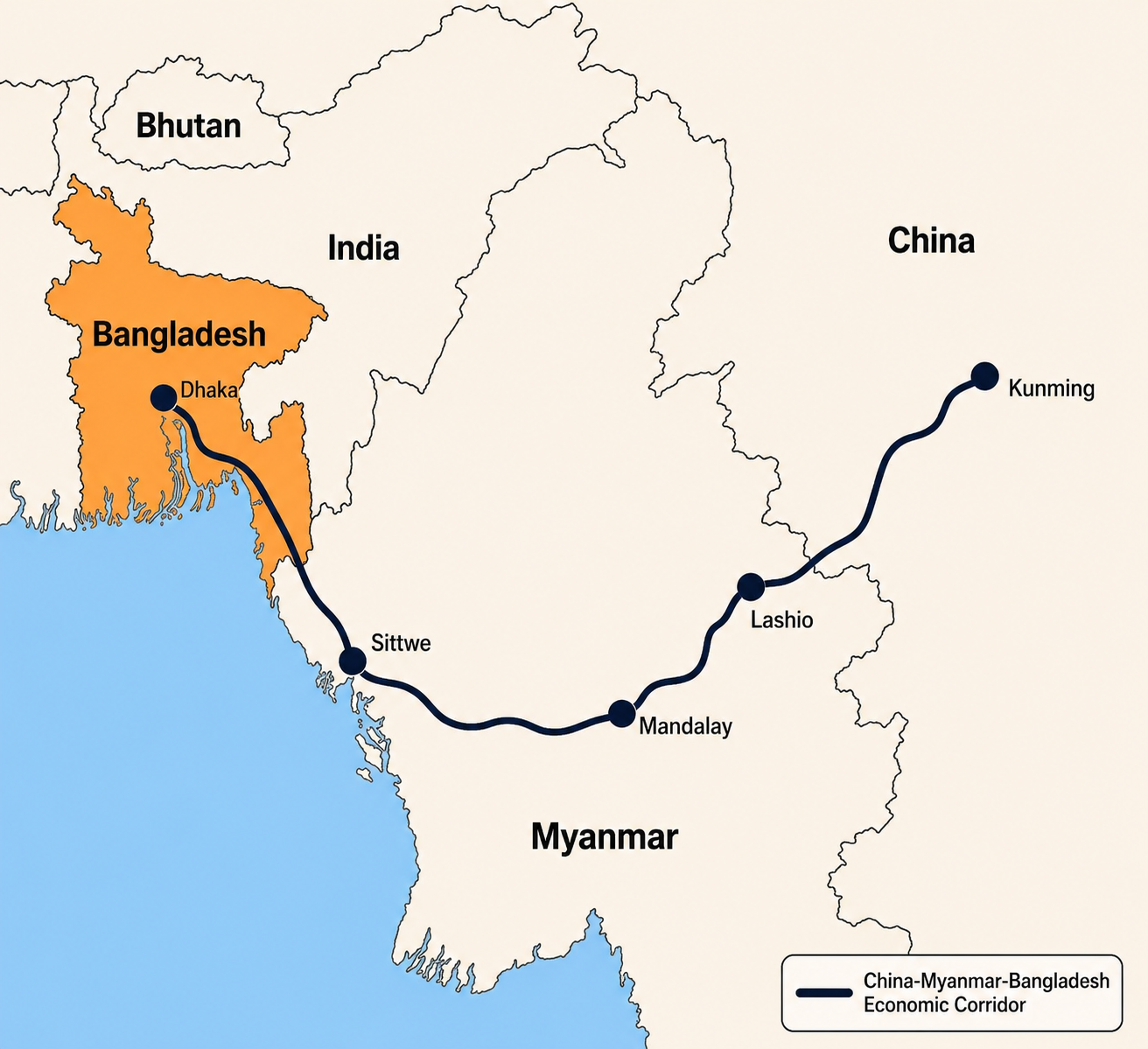
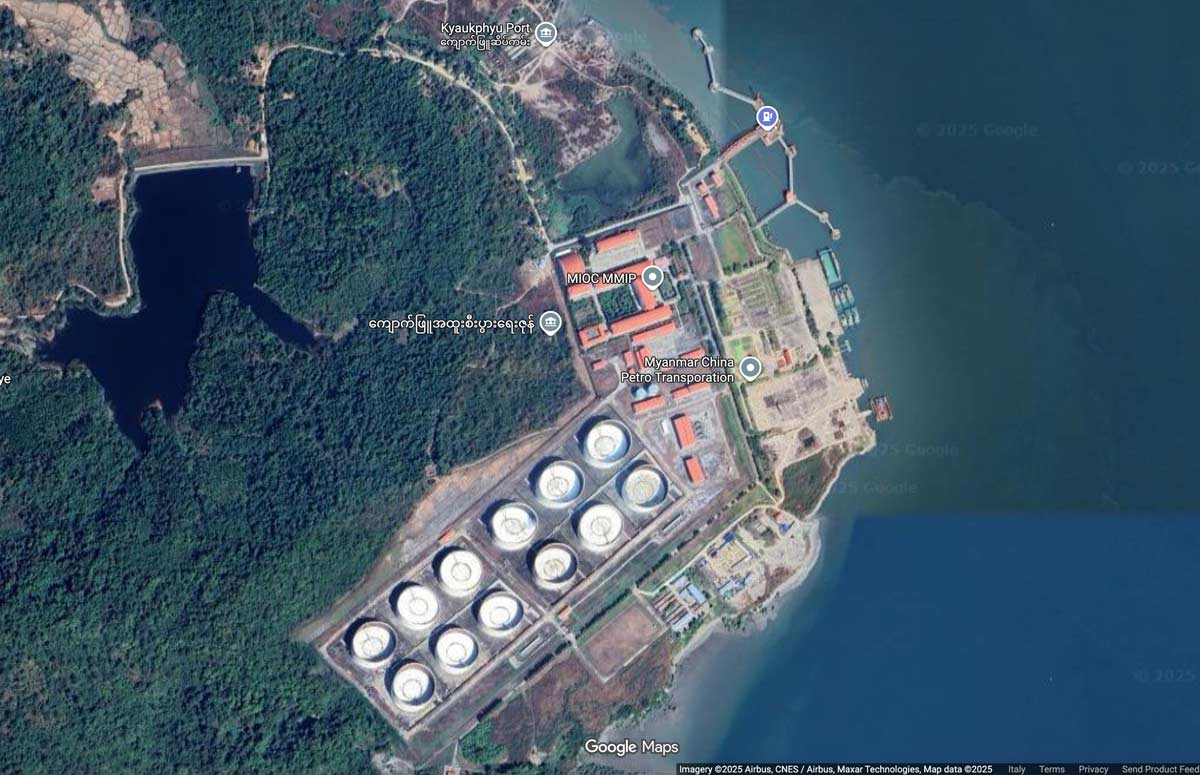
During the visit of the Prime Minister of Bangladesh, China advanced the concept of an economic corridor connecting China, Myanmar, and Bangladesh, which Bangladesh has agreed to explore. The two countries have also agreed to explore new options for regional connectivity, using Kyaukphyu Port on the Rakhine coast to reduce dependence on the chokepoint at the Strait of Malacca. While these initiatives will enhance sub-regional connectivity, Chinese influence in the Bay of Bengal will certainly increase.
Can Bangladesh avoid both competition and bandwagoning in its pursuit of soft alignment?
The question that preoccupies Southeast Asia is whether partner countries are fully aligning themselves with China's positions through their endorsement of the Initiatives and the Vision, or whether these associations merely signal a rhetoric of deeper engagement without any strong desire to bandwagon with China. Similarly, in Bangladesh's case, with the added complexity of India's strategic interests, partnership with the Vision and association with the Chinese Initiatives may, at this stage, be more reflective of its desire to leverage Chinese influence to engage more closely with the financial and trade groupings in which China plays a leading role, while also securing Chinese support to become more integrated into the political and security structures of Southeast Asia and the wider Asia-Pacific. Thus, the current level of engagement is more reflective of soft alignment, with the objective of deriving support and enhancing security through closer interaction with China.
Bangladesh depends on the West for exports, investment, technology, and overseas employment, while it depends on China for industrial inputs, infrastructure development, and defence supplies. At the same time, Bangladesh–India relations are longstanding and people-centric. As such, Bangladesh ought to be cautious and remain focused on mutually beneficial cooperation rather than becoming part of the strategic competition between the United States and its partners, including India, on the one hand, and China on the other, in their respective pursuit of strategic superiority. Bangladesh would demonstrate strategic maturity if it could avoid both competition and bandwagoning with either side while remaining committed to a carefully calibrated hedging strategy. Association with the Vision of a community with a shared future and the proposed 2+2 mechanism with China should be carefully utilised to advance Bangladesh's national interests and enhance its strategic options. Accordingly, the scope and implementation of the Vision and the Initiatives will require serious reflection and continuous calibration. This ought to be a fundamental preoccupation of Bangladesh's political leadership, as well as its defence and foreign policy establishments.
Mohammad Sufiur Rahman is a Senior Research Fellow at the South Asian Institute of Policy and Governance, North South University, and a former Ambassador.
Send your articles for Slow Reads to [email protected]. Check out our submission guidelines for details.
The global refugee crisis and Bangladesh's Rohingya challenge
Rohingya deaths in landslides call for a reckoning with systemic failures

For Rohingya camps, measles control requires tailored interventions

How the education vacuum is fuelling crimes in Rohingya camps

When the Rohingya crisis becomes an opportunity for some
Rohingya crisis: Refugees without a country, a world without excuse

Trump’s new Hormuz gamble: Will Iran back down?

Bangladesh needs a new rulebook for the evolving Rohingya crisis

What Bangladesh should understand about the Arakan Army’s Way of Rakhita doctrine