


Pull the plug on online gambling

Online betting is spreading across Bangladesh like a silent disease. During the FIFA World Cup, social media was flooded with gambling promotions. These easy-to-access websites are pulling young people and desperate earners into a dangerous trap of addiction, according to a report by this daily.
The human cost of this addiction is heartbreaking. To fund their bets, people often sell their ancestral assets, and once addiction takes hold, individuals often neglect their families and abandon daily responsibilities. In extreme cases, the addiction often pushes entire households into sudden, severe poverty. The statistics are alarming. A recent government report shows that over 50 lakh people in Bangladesh are already hooked on online gambling, fuelling a market worth Tk 830 crore. If the authorities do not intervene immediately, the number of victims could reach two crore by 2027. To its credit, the government passed the Gambling Prevention Act in June 2026, which introduced strict punishments, including heavy fines and up to seven years in jail, for online betting.

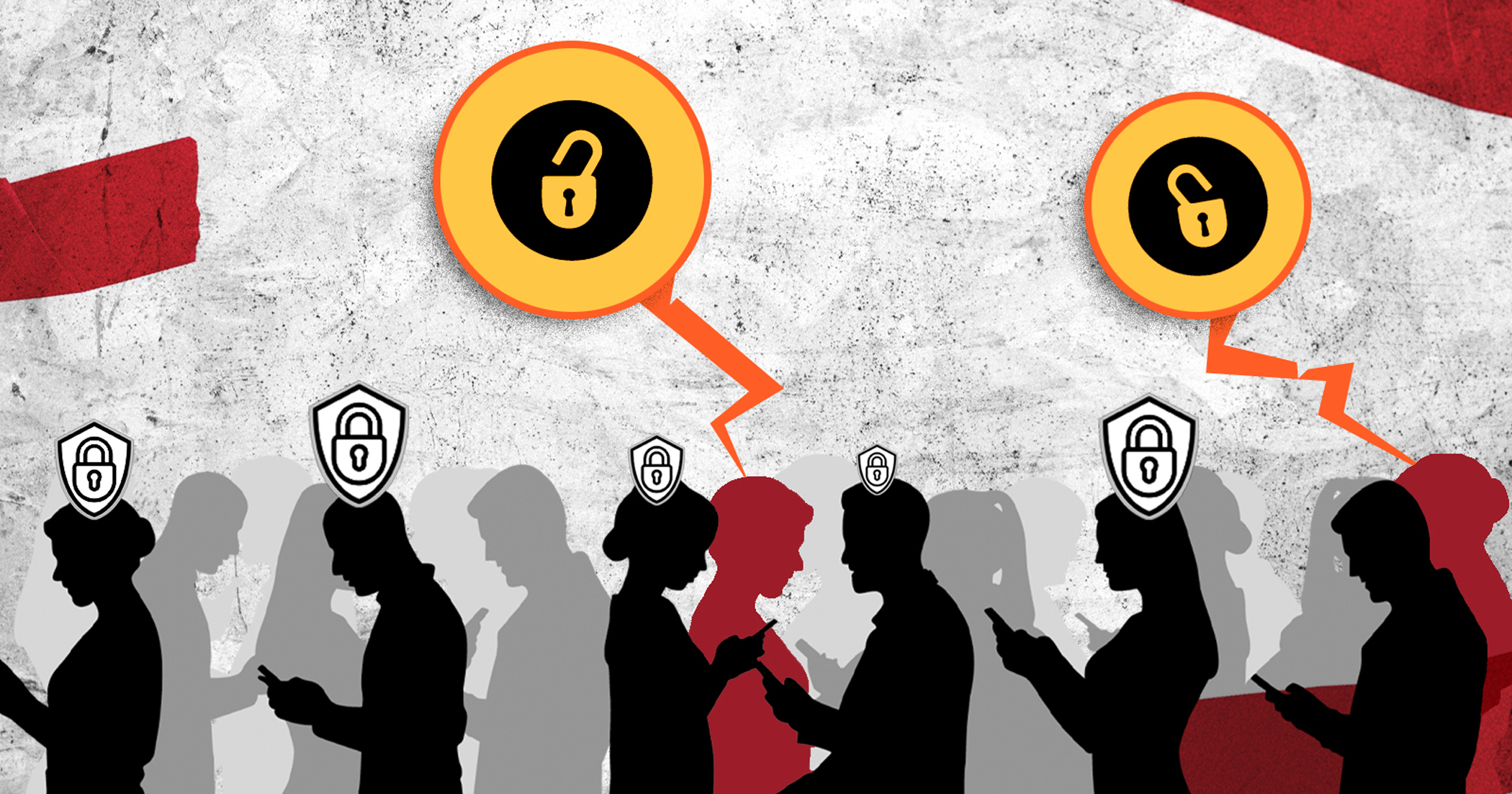
However, having a law on paper is clearly not enough, as betting networks are still operating in the open. Agents effortlessly use prominent mobile financial services (MFS) to facilitate illicit transactions in broad daylight, while social media platforms host hundreds of active betting advertisements. While MFS providers claim to have robust compliance systems, the ease with which wagers are placed and winnings are withdrawn within minutes tells a very different story. This must stop. The government must immediately bridge the gap between legislation and execution. Law enforcement agencies must intensify their cyber patrols, targeting not just the bettors, but the agents and masterminds operating these networks. Furthermore, the state must take a firm stance with global tech giants. As digital gatekeepers, social media platforms cannot be allowed to prioritise ad revenue over public harm. The government must compel them to respect our laws.
Beyond strict enforcement, we must also address the psychological grip of this addiction. Punitive measures alone will not rescue those who are already trapped. The government and civil society should launch nationwide awareness campaigns to warn our youth about the deceptive lure of digital gambling. Additionally, we must establish accessible counselling and rehabilitation support for victims and their families to help them rebuild. We cannot let unregulated digital casinos destroy our families and our future. The laws are in place; it is time to enforce them properly.
 For all latest news, follow The Daily Star's Google News channel.
Comments