


A broken shoulder blade: the injury you should never ignore
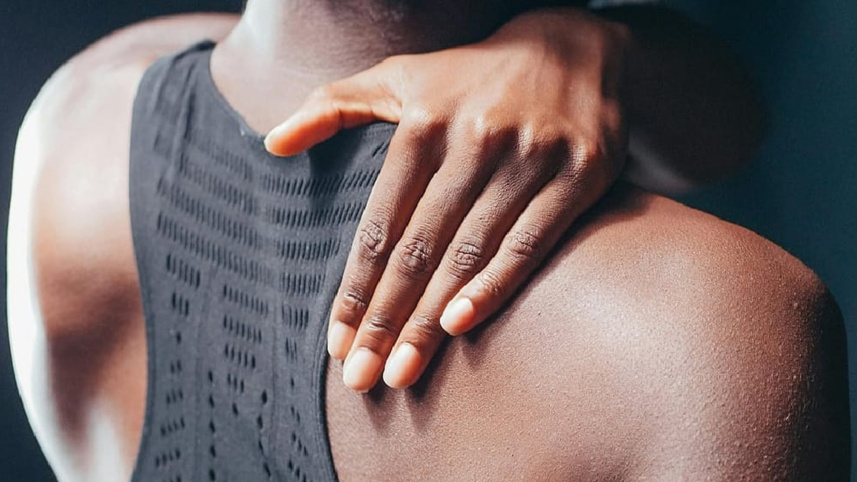
A hard fall, road crash or sporting collision can do more than leave a painful bruise. It may break the shoulder blade, the broad, triangular bone lying across the upper back. Although this injury is uncommon, overlooking it can leave the shoulder stiff, weak and difficult to move for months.
The shoulder blade helps form the shoulder joint and gives several muscles and strong bands of tissue a place to attach. Together, these structures allow the arm to lift, turn and reach. When the bone cracks or breaks, the effects can therefore spread across the entire shoulder.

Warning signs often begin with severe pain around the shoulder or upper back. The area may swell, bruise or become tender, while raising or rotating the arm can feel difficult or impossible. Pain may also worsen during a deep breath. Because the force needed to break this protected bone can injure nearby ribs or the chest, breathing difficulty should never be dismissed. Until help arrives, avoid unnecessary movement and support the injured arm comfortably. Never massage the area or force the shoulder back.
Anyone with these symptoms after a serious accident or blow should seek medical care promptly. A doctor will ask how the injury happened and carefully examine the shoulder, arm, back and chest. An X-ray may show the break, while a more detailed scan can reveal its exact position, shape and seriousness. These checks also help doctors look for other injuries and choose the safest treatment.
The reassuring news is that most broken shoulder blades heal without an operation. A sling or shoulder support is usually used for several weeks to keep the arm comfortable and limit movement while the bone repairs itself. Pain relief may be prescribed, but medicines should be taken only as advised.
Rest, however, does not mean keeping the shoulder still forever. Once healing has progressed, guided exercises and physical therapy are important. Movement is reintroduced gradually to prevent lasting stiffness and rebuild strength. Trying to lift, stretch or return to sport too early can delay recovery, so the rehabilitation plan should be followed closely.
An operation may be needed when pieces of bone have moved far out of place, the break is complicated, or the shoulder joint has been affected. During surgery, the bone is returned to a better position and held securely so that it can heal. The decision depends on the injury and the patient’s overall condition.
Prevention begins with reducing the chance of a high-impact injury. Motorcyclists should wear a properly fitted helmet and suitable protective clothing. Athletes should use recommended safety gear, while people doing heavy or risky work should follow workplace precautions. Good nutrition also supports bone strength, particularly because poor nourishment can contribute to weaker bones.
A broken shoulder blade is treatable, but delay can cost precious movement. After a major shoulder injury, do not simply wait for the pain to disappear. Early specialist care, proper support and patient rehabilitation offer the best route back to comfortable, confident movement.
Professor Dr G M Jahangir Hossain is an arthroscopic surgeon at NITOR and Bangladesh Specialised Hospital, Dhaka. E-mail: [email protected]
 For all latest news, follow The Daily Star's Google News channel.


Comments