Football as freedom: From colonial Bengal to Bangladesh
The 2026 FIFA World Cup has once again revealed Bangladesh's enduring passion for football. Streets are lined with flags, giant screens draw thousands of supporters, and the game dominates public conversation. Yet football in Bengal has never been just a sport. Introduced under British colonial rule, it gradually became a powerful expression of anti-colonial resistance, nationalist aspirations, and political identity. This article revisits that remarkable history through the lens of sports history.
Kausik Bandyopadhyay, in his article titled Football in South Asia, has shown how modern team sports such as football were introduced by the British imperial authorities. Although these sports formed part of the imperial administrative machinery, football gradually evolved into an instrument of resistance, an expression of national identity, and a symbol of freedom against British colonial rule (Routledge Handbook of Football Studies, 2017, pp. 388–390). Drawing on the theoretical framework proposed by Bandyopadhyay, as well as other scholars of sports history, we focus primarily on two important and well-known events: (1) the Indian Football Association (IFA) Shield Championship of 1911 and (2) the tour of the Shadhin Bangla Football Team in India in 1971.
Why did the British colonisers introduce football to the Indian subcontinent? Why did they popularise modern team sports such as football, cricket, rugby, and hockey in their colonies? How did they do so? These questions can be explored through the lens of theories of cultural imperialism. British administrators believed that team sports helped develop not only physical strength but also moral character. As they selected local elites to help maintain colonial supremacy, they placed considerable value on these qualities. They regarded team games as an important means of cultivating discipline, courage, leadership, and resilience—traits considered necessary for governing colonial territories and overcoming difficult physical and psychological challenges. This imperial outlook on sport was closely connected to the broader vision of disseminating European values and civilisation. As a result, physical superiority in sport became a symbol that reinforced and justified political authority and colonial domination (Richard Arnold, Nationalism and Sports: A Review of the Field, 2020, pp. 2–3).
This idea can be further understood through the work of Colin Veitch. He showed that leading British educators incorporated team sports into the curricula of schools in Britain as well as Anglo-Indian schools in the colonies. They regarded these sports as an effective tool for building the character of teenagers and young people. With the expansion of British imperialism across Africa, the Far East, and the Indian subcontinent, the concept of the 'schoolboy-sportsman-soldier' emerged as a powerful model—one who was expected to grow into a disciplined soldier and loyal servant of the empire, obediently advancing British interests across its colonial territories (Colin Veitch, "Play up! Play up! And Win the War!" Football, the Nation and the First World War 1914–15, 1985, pp. 364–366).
As part of the imperial project, football was introduced by the British East India Company to India. In the initial phase, the players were mainly members of trading firms, soldiers and officers of the battalions, and European teachers at educational institutions. Members of the Navy stationed in port cities such as Calcutta, Bombay, Madras, and Karachi also played football.
Kausik Bandyopadhyay explained the introduction of football to South Asia through J. A. Mangan's (1981) theory of the 'games ethic'. The theory is closely connected to the notion of "muscular Christianity", which viewed sport as a powerful means of stimulating imperial ethics and moral discipline. This process would help incorporate people into a system of obedience to constituted authority. In this way, football occupied an important place in colonial education as a form of moral and social training. Its widespread popularity in India, however, cannot be understood solely through this educational influence. Especially in Bengal, the adoption and acceptance of football by wider audiences was a complex process shaped by both deliberate choices and unforeseen circumstances (Kausik, 2017, 390–391).
In the context of colonial authority, sport functioned as an informal social institution that fostered shared values between the colonisers and the colonised. It also reinforced social hierarchies and distinctions. Originating in the experience of the colonisers from the land of the Britons, these sports, especially football, significantly shaped social relationships across British India and its epicentre, Bengal. Nationalist ideas travelled through the organisation of sport, its rituals, patterns of participation, and competitions against other nations or against Europeans within the empire (Brian Stoddart, "Sport, Cultural Imperialism, and Colonial Response in the British Empire", 1988, 651–52).
In terms of symbolism, sporting teams stand as representatives of the performance of a particular nation. Eric Hobsbawm wrote:
What has made sport so uniquely effective a medium for inculcating national feelings, at all events for males, is the ease with which even the least political or public individuals can identify with the nation as symbolized by young persons excelling at what practically every man wants, or at one point in his life has wanted, to be good at. The imagined community of millions seems more real as a team of eleven named people. (Nations and Nationalism Since 1780, 1990, 143)
In the same way, the widespread popularity of football in colonial Bengal can be explained through the above notion of a "medium for inculcating national feelings" as expressed by Eric Hobsbawm. Football facilitated the growth and expression of national consciousness among the colonised people. Such sentiments are particularly evident in the final of the Indian Football Association (IFA) Shield in 1911.
The first football match took place in colonial India in the second week of April 1854. In the game held at the Esplanade, Calcutta, the English Club of Civilians (mainly European officers) played against the Gentlemen of Barrackpore (European soldiers).
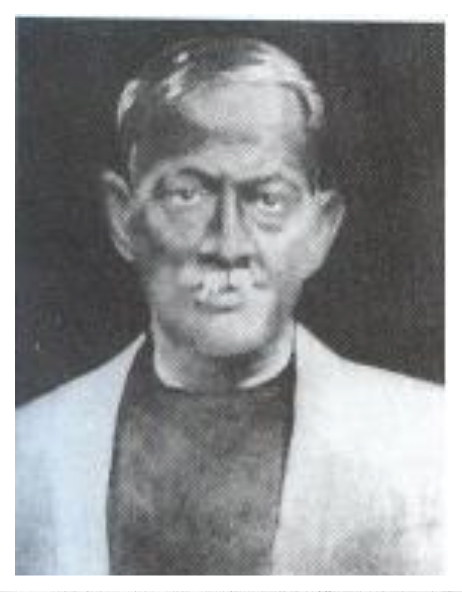
Nagendra Prasad Sarbadhikari was the first prominent Bengali figure to introduce football as a team game through the club structure. Wellington, the first Bengali football club, was established by him in 1884. Within a year, 500 members of the club resigned and established Town Club. In 1885, Nagendra Prasad initiated the Shobhabazar Club, which played a vital role in the popularisation of football among the masses. In 1889, Shobhabazar participated in the Trades Cup, the first Indian football tournament. As the only Indian club, it defeated the East Bengal Shire Regiment, an English club.
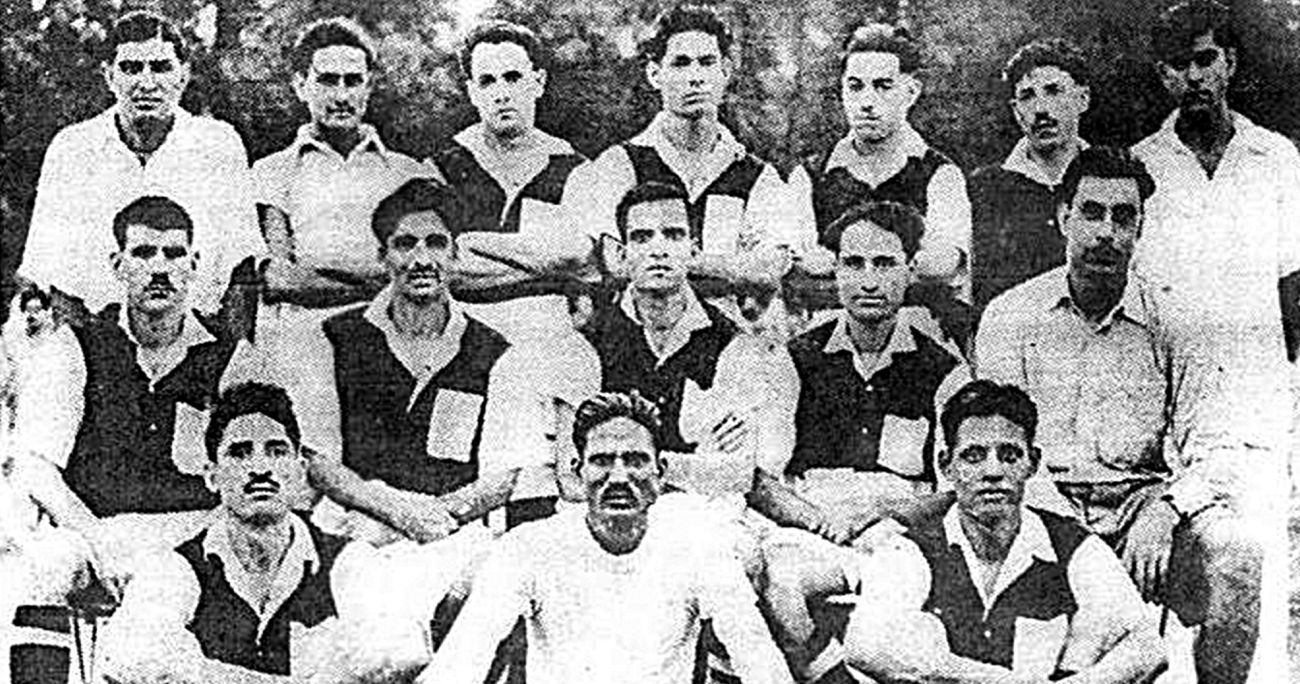
Mohun Bagan Football Club was another renowned club that created a sense of commonality among Bengalis. Established in 1889, it defeated the English club East York Regiment in the final of the Indian Football Association (IFA) Shield in 1911. At the height of the anti-partition movement, it was a symbolic victory that created a sense of "One Club, One Nationalism". This victory by a local team over a British club fostered confidence and unity among the people in their struggle against colonial rule. This sense of unity can be described by the term "nationalism". It may not fit every theoretical framework, and many may argue that the subsequent course of South Asian history does not necessarily support such a conclusion. Yet this historic victory created an opportunity for people living within the Bengal Presidency, as well as across the subcontinent, to imagine themselves as one community. Such a community is also described by Benedict Anderson in his famous book Imagined Communities in the following manner:
"It is imagined because the members of even the smallest nation will never know most of their fellow members, meet them, or even hear of them, yet in the minds of each lives the image of their communion..." (1991, 67)
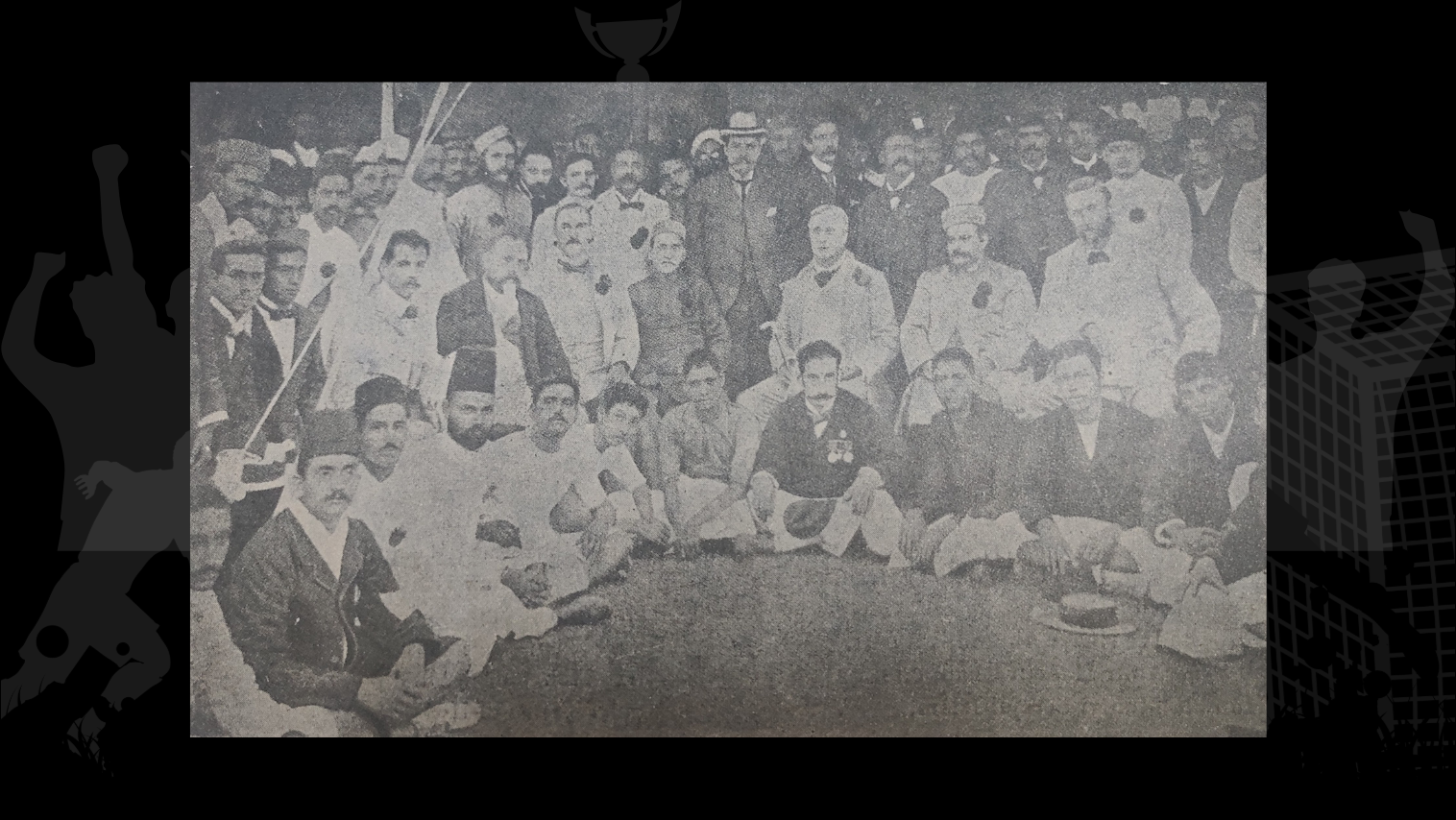
The players of Mohun Bagan took to the field without boots. Ten of the eleven players were 'Bāngāl' from East Bengal. Captain Shibdas Bhaduri was a resident of Dhaka, and his brother Ramdas Bhaduri later established the Wari Football Club of Dhaka. Thousands of supporters from Dhaka, Barisal, Chittagong, and Sylhet attended the final to support their team. It was a classic example of creating a space of resistance within a sporting arena established by the colonisers themselves.
Football stadiums became important social spaces that brought together many unknown and unfamiliar people around a shared sense of identity. One may compare this with the scenes today in front of the giant screens at TSC or the Haji Muhammad Mohsin Hall playground, where supporters of Argentina, Brazil, Portugal, and Germany gather together. They may be unfamiliar to one another, yet they celebrate Lionel Messi's hat-tricks or Brazil's intricate passing football as though they belonged to one family.
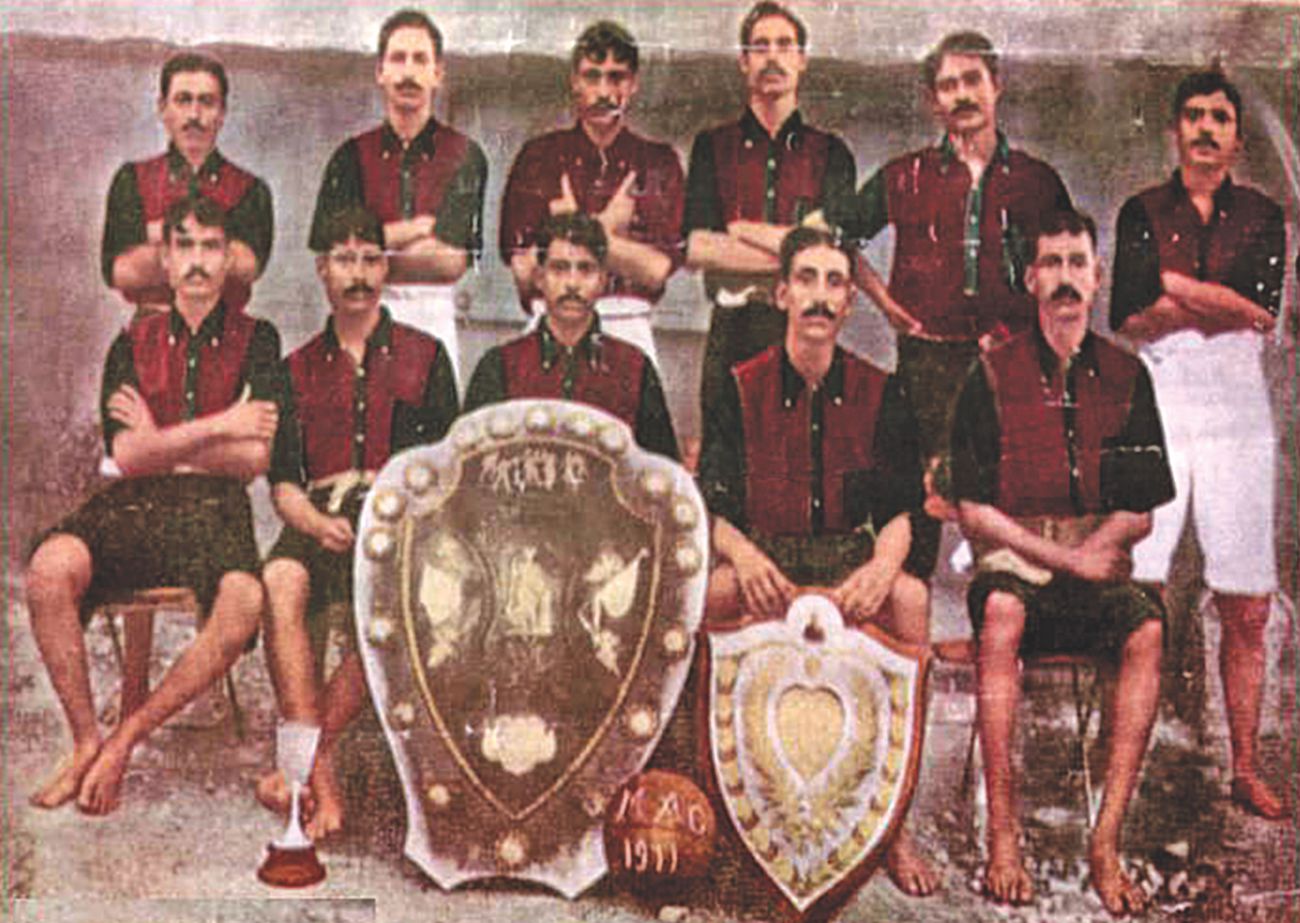
Many reports, prose pieces, and poems celebrating the victory of 29 July ,1911 were published, promoting nationalism. For example, a Bengali-language newspaper reported:
"It fills every Indian with pride and joy to know that rice-eating, malaria-ridden, barefooted Bengalis have got the better of beef-eating, Herculean, booted John Bull in that peculiarly English sport." (Brian Stoddart, "Sport, Cultural Imperialism", 1988, 667)
The Englishman (later The Statesman) summed up the impact of the victory as follows: "Mohon Bagan has succeeded in what the Congress and the Swadeshiwallas have failed to do so far, to explode the myth that the Britishers are unbeatable in any sphere of life."
Following the victory, advertisements for footballs, football bladders, and pumps appeared in the pages of Panjikas. Whenever a local club defeated an English club, it became a rallying point for nationalist sentiment.
The introduction of football to the colonies by the British facilitated anti-colonial resistance, which is an interesting phenomenon. From a Foucauldian perspective, J. Busse and Rene Wildangel describe it in the following manner:
"…this instrument inherently involved ambiguous mechanisms of control and resistance in the Foucauldian sense; thus, football became an instrument of colonialism as much as it provided a nucleus for anti-colonial resistance and the ultimate dismantling of the colonial system of control." (2023, 78)
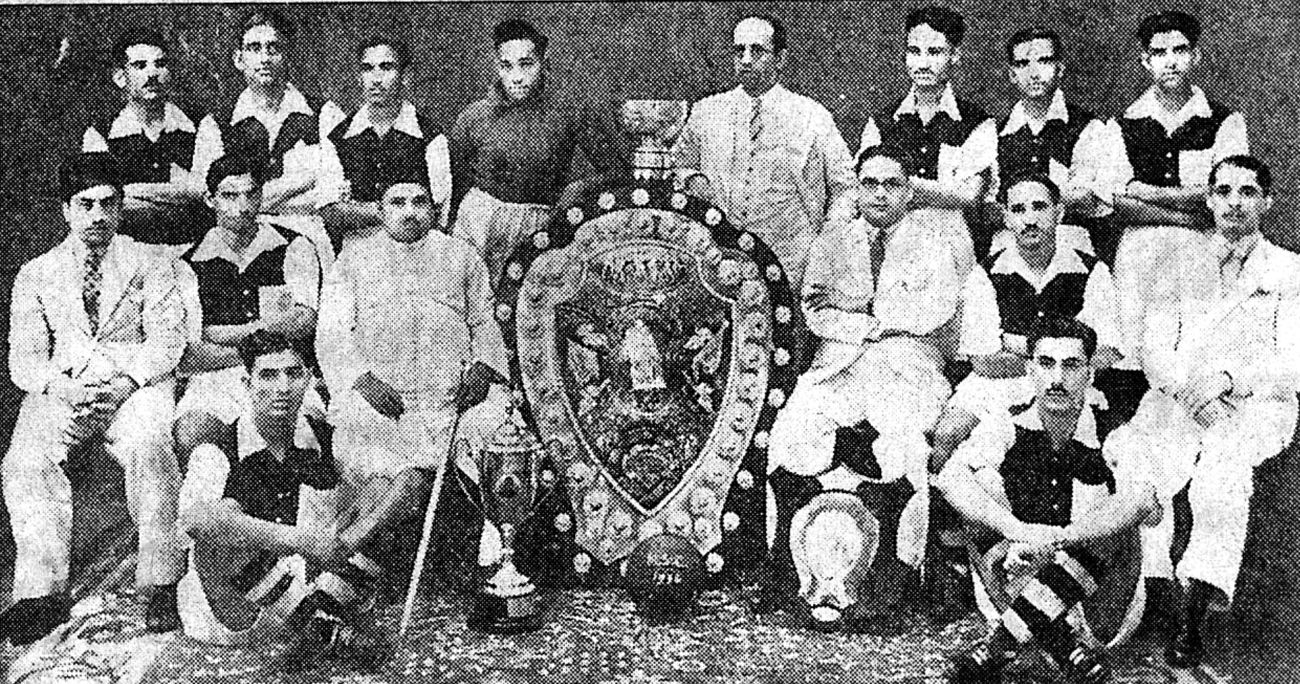
Mohun Bagan emerged as a powerful symbol of Indian nationalism during the 1910s and 1920s. East Bengal Football Club, established in Calcutta in 1920, came to embody the aspirations of Hindu Bengalis from East Bengal and rose to prominence in Indian football during the 1940s and 1950s. On the other hand, Mohammedan Sporting Club became the representative club of Muslims in India. The club enjoyed remarkable success in the 1930s, winning most of the major football championships of the period (Kaushik, 2017, 391).
Many talented footballers from Dhaka regularly played for Calcutta-based football clubs, and this trend eventually contributed to the emergence of East Bengal Club. During this period, popular football tournaments such as the Suryakanta Shield in Mymensingh, the Gobindalal Shield in Rangpur, and the Narnarayan Ramkani Kundu Shield in Dinajpur were organised with the support of local landlords and elites. To promote the overall development and popularity of football in East Bengal, the Dhaka Football League was launched in 1932 under the patronage of the Nawabs of Dhaka. A year later, the Dhaka Sporting Association was established and began organising various football tournaments that attracted large crowds. The establishment of Mohammedan Sporting Club in 1936 and Dhaka Wanderers Club in 1937 played an important role in enriching the history of club football in Dhaka.
Football was ultimately unable to sustain this sense of unity and cohesion. Two factors can be identified behind this: (a) the emergence of Bengali Muslim nationalist politics during the 1920s and 1930s; and (b) the popularity of Mohammedan Sporting Club in the mid-1930s. From the 1930s onwards, football rivalries were no longer simply contests between the British colonial rulers and the Bengali colonised population. Football became a stage for competition between Hindus and Muslims following the rise of communal tensions.
Despite the communal tension, football became an important political phenomenon as well as an emotional expression of the national feelings of the Bengalis. Partha Chatterjee, in his book The Black Hole of Empire, elaborated on these themes in the ninth chapter, Bombs, Sovereignty, and Football, and the tenth chapter, The Death and Everlasting Life of Empire. He argues that by the 1940s, the enthusiasm generated by Indian football clubs competing against European teams was deeply intertwined with nationalist sentiment. The anti-colonial movement and the campaign demanding the removal of the Holwell Monument attracted many supporters of Mohun Bagan and Mohammedan Sporting Club. Chatterjee noted a significant overlap between football supporters, nationalist protesters campaigning against the monument, and sections of the urban crowd that later became involved in episodes of violence in Calcutta.
In the post-1947 period, a vacuum emerged in Dhaka's football scene because of the migration of several organisers, sponsors, and players. Interestingly, this period of stagnation gradually gave way to the active participation of the non-Bengali Muhajir elite. The construction of new stadiums, the formation of new clubs alongside established clubs, and the rivalry between Mohammedan and Wanderers breathed new life into the football culture of East Bengal. The organisation of international tournaments such as the Aga Khan Gold Cup, football competitions at the national and provincial levels, and regular school, college, and university tournaments expanded the popularity of football not only in Dhaka but throughout East Pakistan.
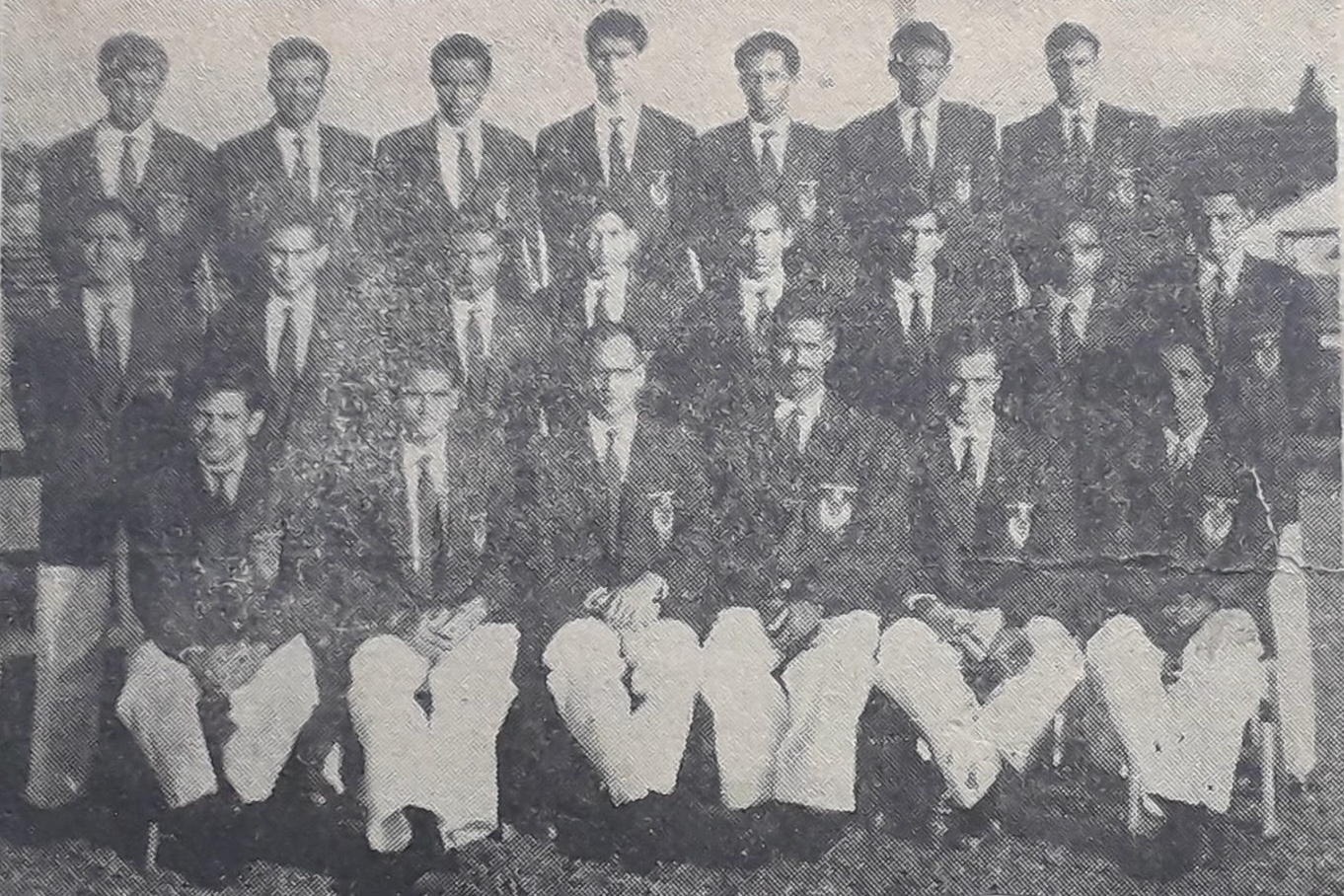
However, during the 23 years of 'internal colonialism', players from East Pakistan experienced discrimination at both the national and international levels. Despite their talent and ability, many East Pakistani footballers and cricketers were denied selection to the Pakistan national team. At times, even those selected from East Pakistan were bullied because of their skin colour or their habit of eating fish and rice. The current Speaker of the Parliament of Bangladesh, Major Hafiz Uddin Ahmed, in his memoir titled Sainik Jibon: Gourober Ekattor and Roktakto Pocattor (Soldier Life: Proud Seventy One and Bloody Seventy Five), expressed this sense of discrimination in the following manner:
The anti-West [West Pakistan] spirit erupted slowly on the playing field. After returning from Rangoon [in 1967], the Pakistan National Football Team participated in the RCD Football Tournament. Whenever the ball was at the feet of the only Bengali player [i.e. me], the stadium erupted with cheers from the crowd. Experiencing such bias against me, the other members of the team mocked and teased me after we returned to the hotel at the end of the game. We were playing on the field wearing the same jersey, but psychologically we were two teams: East and West, Bengalis and non-Bengalis. Gradually, this division became visible within a short span of time. (2023, 29–30; translation by the present authors)
During the First World War, football even became a tool of war during the Battle of the Somme (1 July–18 November 1916). Martin Middlebrook, in The First Day on the Somme, recorded the following memoir of a British soldier:
As the gun-fire died away I saw an infantryman climb onto the parapet into no man's land, beckoning others to follow. As he did so he kicked off a football; a good kick, the ball rose and travelled well towards the German line. That seemed to be the signal to advance. (1972, 124)
The battle was fought between the German Army and the combined British and French forces. A comparable use of football during the Liberation War of Bangladesh remains largely unknown. During the Liberation War, large numbers of people from Bangladesh took refuge in India. Among them were many footballers. At the time, propaganda circulated among sections of Indian Muslims claiming that Bangladesh's Liberation War was an Indian conspiracy against the Muslim state of Pakistan and against Islamic brotherhood. To counter this misconception, football was used as a tool that played a vital role in boosting morale, raising funds for the war, and generating international awareness. A national football team was formed under the name Shadhin Bangla Football Team, which sought to attract global attention through both the Indian and international media.
We may approach the contribution of this football team through the lens of 'soft power' in the Liberation War of Bangladesh, and through Grant Jarvie's (1993) observation in his article "Sports and Nationalism" that "(sports) often provides an unequalled effective medium for inculcating national feelings; it provides a form of symbolic action which states the case for the nation itself."
Student leaders and footballers such as Saidur Rahman Patel, Md. Shamsul Haq, Lutfur Rahman, and many others played an active role in the formation of the Shadhin Bangla Football Team. On 13 June, with the direct initiative and support of the Mujibnagar Government, the Bangladesh Krira Samiti was established. The primary objective of the committee was to create international public opinion in favour of Bangladesh, raise funds for the Liberation War, and prevent the Government of Pakistan from using sporting events in Dhaka to project an image of normalcy. Tajuddin Ahmad, the Prime Minister of the government-in-exile, supported the initiative by approving the formation of the football team and allocating Tk 14,000 for its activities.
The team established its residential camp at the Karnani Estate Building (Coca-Cola Mansion) in Calcutta. In response to the initial call, 70 players expressed interest, from whom a squad of 27 was selected. Three additional members later joined the team. Zakaria Pintu and Pratap Shankar Hajra were appointed captain and vice-captain respectively. Tanveer Mazhar Islam served as the team director, while Nani Bashak was the coach.
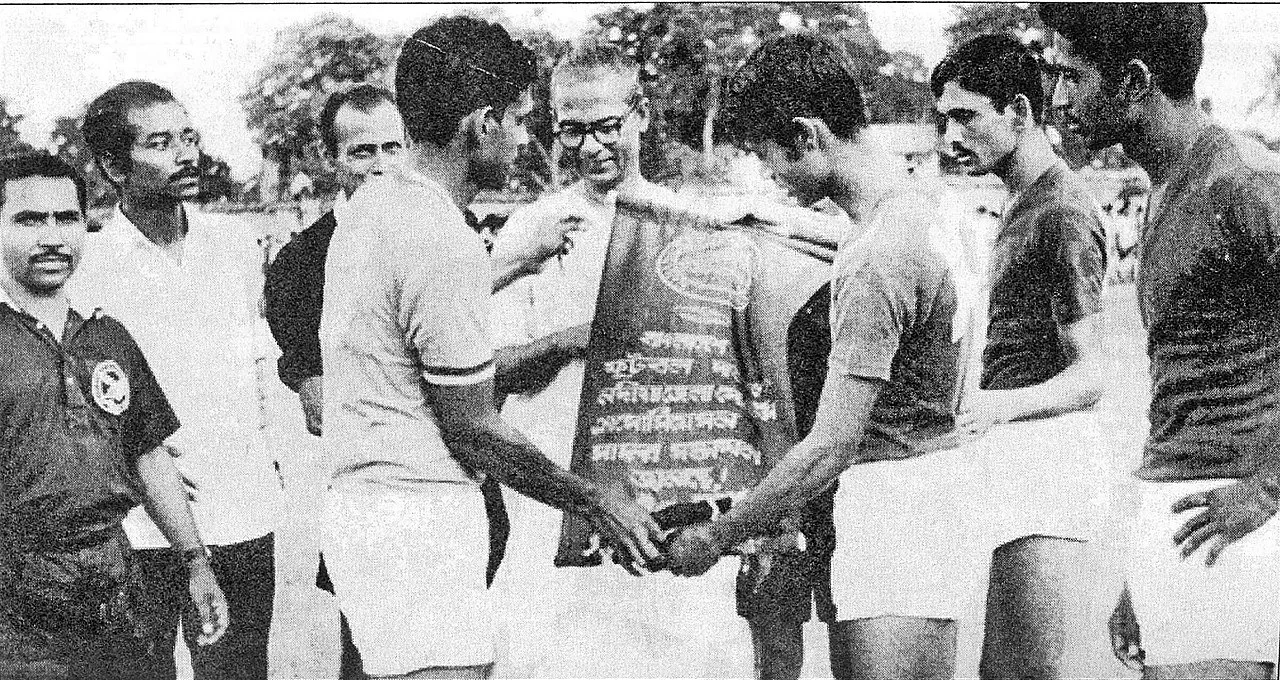
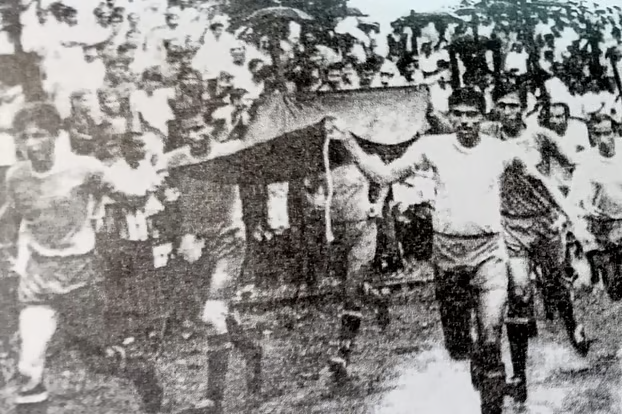
The team's first match was not conceived as a grand occasion or against a major opponent. The primary objective was simply to begin playing in support of the Liberation War. On 25 July, the team's first match was held against the Nadia District Eleven in Krishnanagar. This was far more than an ordinary football match; it carried profound political and symbolic significance. It was not an official international fixture between two nation states, as Bangladesh had not yet received international recognition. However, at the request of both the Shadhin Bangla Football Team players and the spectators, the District Administrator of Nadia, D. K. Ghosh, permitted the Bangladesh flag to be hoisted. This generated momentum against oppression and strengthened the spirit of national liberation. The setting was India, a foreign country, yet nationhood was expressed through one powerful symbol: the national flag.
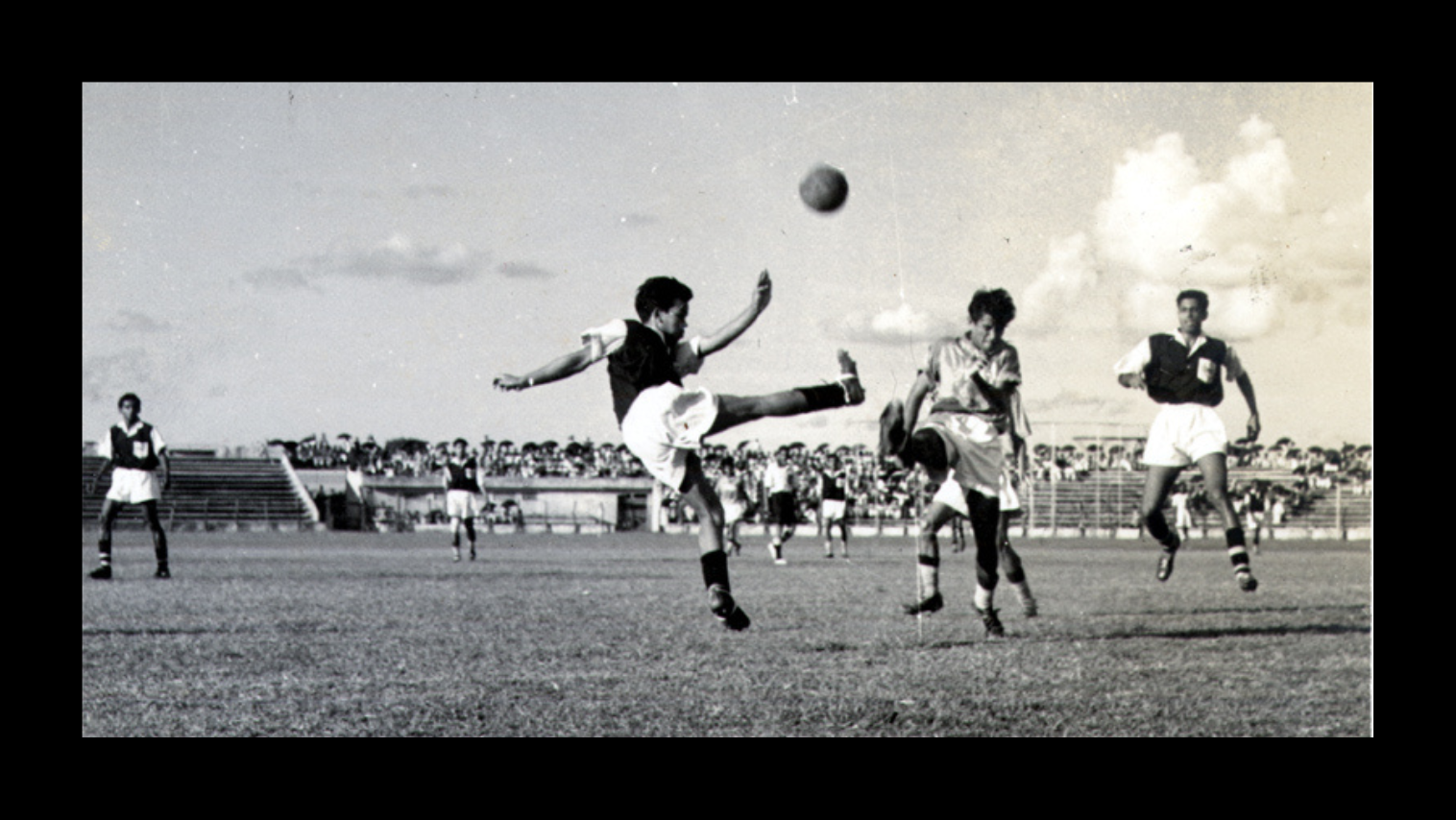
The second match took place in Calcutta and attracted widespread public interest. Because of legal complications, Mohun Bagan Athletic Club played under the name Gostapal Eleven, as Bangladesh was not then recognised by FIFA. The team was captained by Chuni Goswami, the former captain of the India national football team, while the legendary footballer Gostha Pal was present among the spectators. The match received extensive media coverage. Thereafter, the Shadhin Bangla Football Team played across different parts of India, generating widespread public awareness and support among both the public and the media. At the same time, its financial objective of raising funds for the Liberation War was also achieved (Dulal Mahmud, Khelar Mathe Muktijuddha, 2020; Khelowarra Jokhon Ronaggone, 2019).
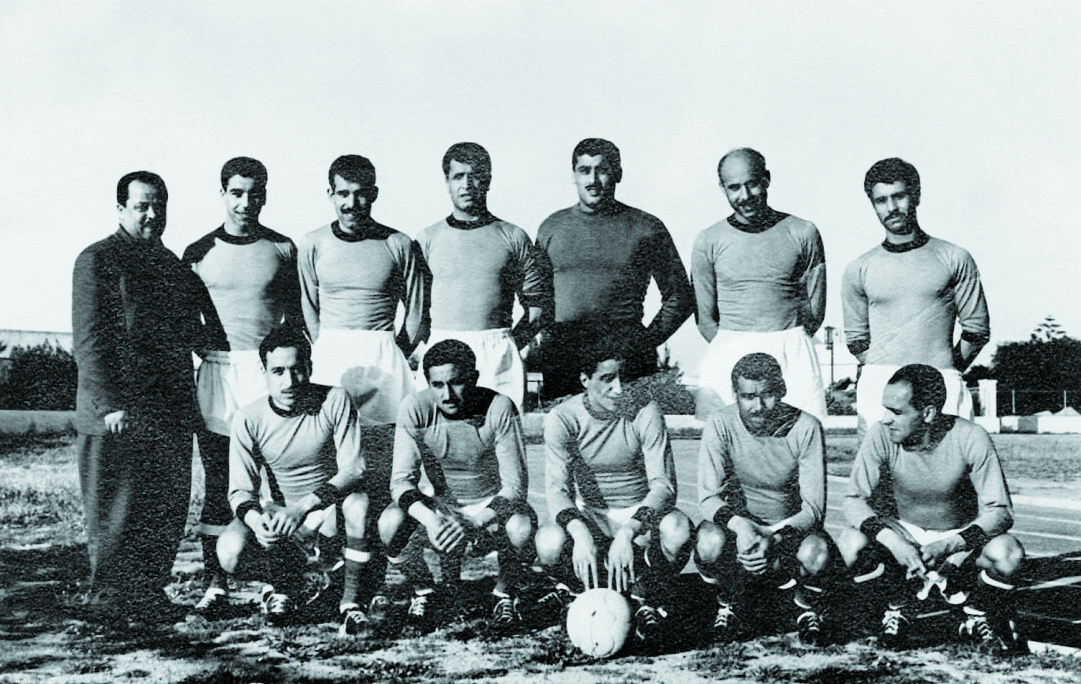
The use of football as a soft-power catalyst in anti-colonial and national liberation movements is not unique to Bangladesh. Another notable example is the Algerian War of Independence. During that struggle, the Front de Libération Nationale (FLN) established a national football team in 1958 to symbolise Algeria's fight for sovereignty. Rachid Mekhloufi, Algeria's most celebrated footballer, gave up the opportunity to represent France at the 1958 FIFA World Cup in Sweden after joining the FLN national team. Despite being denied official recognition by FIFA and many Western countries, the FLN football team played matches across the Eastern Bloc and Non-Aligned countries. The Algerian experience stands as a classic example of using football to cultivate nationalist aspirations and political imagination. It demonstrates how the sport could be adapted to advance a national political cause despite the growing influence of global sporting institutions. Their football campaign preceded political success, as Algeria eventually achieved independence in July 1962 (Jan Busse & René Wildangel, 2023, 82).
In 1945, George Orwell noted in The Sporting Spirit that "nearly all the sports practised nowadays are competitive… As soon as you feel that you and some larger unit will be disgraced if you lose, the most savage combative instincts are aroused." Indeed, in the practice of modern sports such as football, "there cannot be much doubt that the whole thing is bound up with the rise of nationalism". The success or failure of a sporting team is often viewed as a reflection of the nation it represents; consequently, poor performances can carry significant national repercussions (Richard Arnold, 2020, 2).
The Shadhin Bangla Football Team played 16 (another account says 17) friendly matches in different parts of India. The team won 12 matches, lost three, and drew one. Considering the circumstances of the time, the level of competition, and the present status of the Bangladesh national football team, this achievement was remarkable, as many of the finest footballers from the then East Pakistan were members of the XI. Following Orwell's argument, the team played on behalf of a nation to wave its flag and achieved its intended objective. The same sentiment is echoed and re-enacted in every international football match. We all belong to a nation-state in today's global order, and we all aspire to uphold the symbol of our nation by waving its flag, as expressed in the following song from Coca-Cola's promotional anthem for the 2010 FIFA World Cup, hosted by South Africa.
‘When I get older, I will be stronger
They'll call me freedom just like a waving flag
When I get older, I will be stronger
They'll call me freedom just like a waving flag
So wave your flag, now wave your flag
Now wave your flag, now wave your flag.’
References
Benedict Anderson, Imagined Communities: Reflections on the Origin and Spread of Nationalism, London and New York: Verso, 1991.
Brian Stoddart, "Sport, Cultural Imperialism, and Colonial Response in the British Empire", Comparative Studies in Society and History, Vol. 30, No. 4, Cambridge University Press, October 1988, pp. 649–673. (If you only cited pp. 651–652, keep those in the footnotes rather than the bibliography.)
Colin Veitch, "Play Up! Play Up! And Win the War!': Football, the Nation and the First World War, 1914–15", Journal of Contemporary History, Vol. 20, No. 3, July 1985, Sage Publications, pp. 363–378.
Dulal Mahmud, Khelar Mathe Muktijuddha, Dhaka: Bishow Sahitya Bhaban, 2020; and Khelowarra Jokhon Ronaggone, Dhaka: Bishow Sahitya Bhaban, 2019.
Eric Hobsbawm, Nations and Nationalism since 1780: Programme, Myth, and Reality, Cambridge: Cambridge University Press, 1990.
Jan Busse and René Wildangel, "The Rebellious Game: The Power of Football in the Middle East and North Africa between the Global and the Local", The International Spectator, Vol. 58, No. 2, 2023, pp. 75–91.
Kaushik Bandyopadhyay, "Football in South Asia", in John Hughson, Kevin Moore, Ramón Spaaij, and Joseph Maguire (eds.), Routledge Handbook of Football Studies, London and New York: Routledge, 2017.
Kaushik Bandyopadhyay, Playing off the Field, Kolkata: Maulana Abul Kalam Azad Institute of Asian Studies, 2007.
Major Hafiz Uddin Ahmed, Sainik Jibon: Gourober Ekattor and Roktakto Pocattor (Soldier Life: Proud Seventy One and Bloody Seventy Five), Dhaka: Prothoma, 2023.
Martin Middlebrook, The First Day on the Somme, New York: W. W. Norton & Company, 1972.
Partha Chatterjee, The Black Hole of Empire: History of a Global Practice of Power, Princeton, NJ: Princeton University Press, 2012.
Richard Arnold, "Nationalism and Sports: A Review of the Field", Nationalities Papers, Association for the Study of Nationalities, 2020, pp. 1–10.
Dr Sahidul Hasan is an Associate Professor in the Department of History at the University of Dhaka. He can be reached at [email protected].
Md Hasaibur Rahman is a Lecturer in the Department of History at the University of Dhaka. He can be reached at [email protected].
Send your articles for Slow Reads to [email protected]. Check out our submission guidelines for details.
The forgotten South Asian soldiers of the First World War
How Dhaka lost its green and water: Revisiting the first master plan of the city
Bengal’s forgotten connections with Nazi Germany
Muzharul Islam and his spaces of belonging
The rise, decline and revival of Buddhism in Bengal
Two visions of Sulh-i Kul: Akbar and Dara Shukoh
Pachapdi Gazi, the 'Jim Corbett of Bengal', and the truth about Sundarbans 'man-eaters'
How Mohammedan Sporting Club shaped Muslim identity in colonial Bengal
The untold history of the rivers that connect Bangladesh and Asia