


Bangladesh takes the global stage for sight
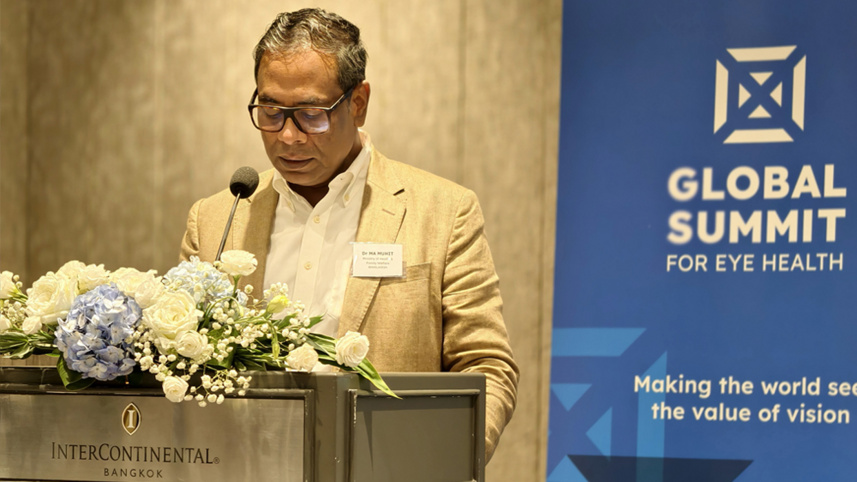
Bangladesh has stepped onto the global stage as a co-host of the first Global Summit for Eye Health, joining Guyana and Nigeria in a drive to protect the sight of more than one billion people worldwide, says a press release.
The landmark gathering will take place in Antigua and Barbuda on 2 November 2026, bringing together heads of government, international organisations, businesses and community groups. Its central promise is simple but urgent: eye care should be within everyone’s reach, wherever they live and whatever they earn.

The three co-hosts bring voices from Asia, South America and Africa, giving the summit wider reach and stronger political weight. Their involvement also recognises the work each country has done to place better vision higher on national and international agendas.
Held alongside the Commonwealth Heads of Government Meeting, the summit is expected to move beyond speeches. Leaders will be urged to announce clear, measurable pledges to expand eye checks, treatment and support, while working together to speed up progress.
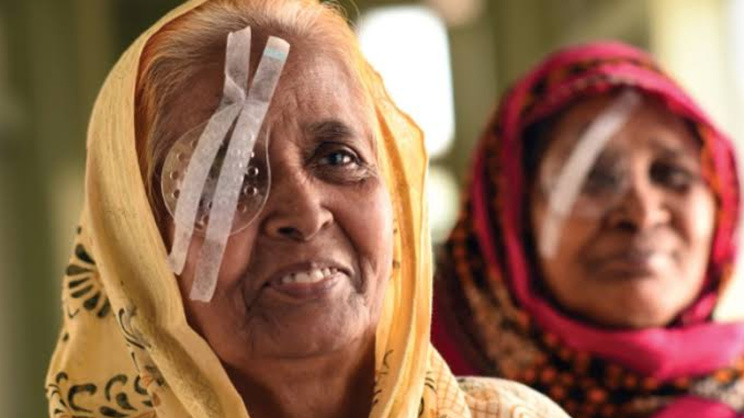
For Bangladesh, the role offers a chance to help shape a global response to a problem that often remains hidden. Poor eyesight can hold children back at school, make work harder, reduce independence and push families deeper into hardship. Yet much sight loss can be prevented or treated through timely, affordable care.
Bangladesh’s Honorable State Minister for Health, Dr M A Muhit, called it a privilege for the country to play a central role in advancing change worldwide. Ministers from Antigua and Barbuda, Guyana and Nigeria also said the meeting must turn growing international attention into action for millions.
The summit is being organised with the World Health Organisation, with support from the International Agency for the Prevention of Blindness, a worldwide alliance of more than 250 organisations across over 100 countries.
There is also a strong financial case. The alliance says every dollar invested in eye health can bring returns of up to 28 dollars, as better vision helps people learn, work and live more independently.
Countries are now being encouraged to arrive in November with bold promises that can be tracked. If leaders follow through, the Antigua summit could mark a turning point: not merely the world’s first meeting of its kind, but the moment clear sight became a shared global priority. For patients and families, success would mean earlier help, fewer avoidable losses, and a future in which good vision is treated as a basic right worldwide.
 For all latest news, follow The Daily Star's Google News channel.


Comments