What the 2026 World Cup reveals about racism in football

The 2026 FIFA World Cup was billed as the largest football tournament in history, spread across three countries and featuring 48 teams. Somewhere between the opening whistle and the closing ceremony, it also became one of the most racially charged World Cups in decades. Coaches have made gestures reserved for reporting racial abuse. Fans have hurled slurs at a teenage streamer. A senator mocked a World Cup-winning captain's African roots. Referees and supporters have been turned away at American airports before a ball was even kicked.
None of this happened quietly. FIFA's own Social Media Protection Service (SMPS), which scanned more than six million posts during the tournament, recorded a 13-fold rise in abusive content compared with the 2022 World Cup in Qatar, with racial abuse accounting for 11 per cent of it. The question this tournament forces us to ask is not whether racism exists in football. It always has. The question is why it has resurfaced so visibly now, at a World Cup hosted by the United States, and whether the game's oldest wound is simply reopening or turning into something new.
A tournament of flashpoints
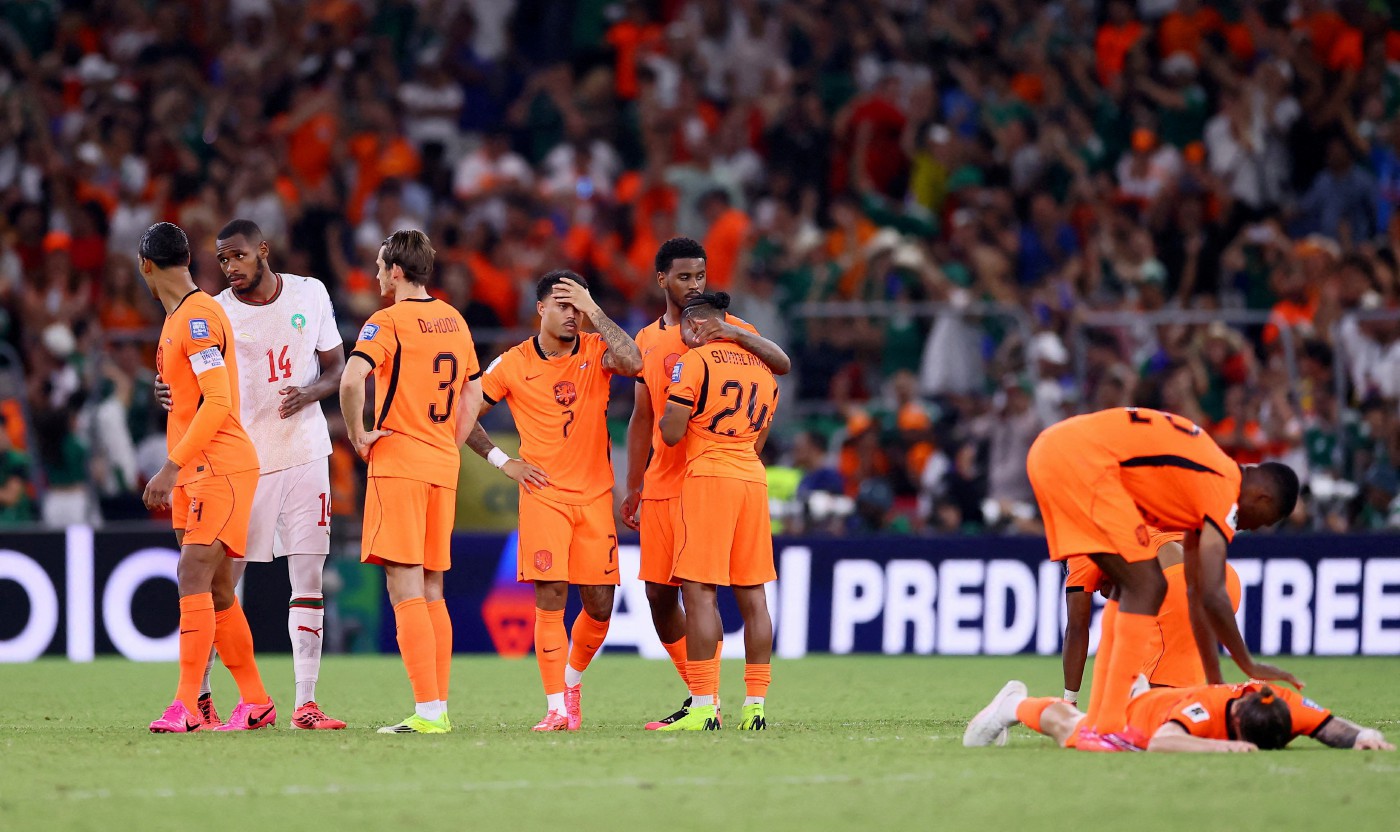
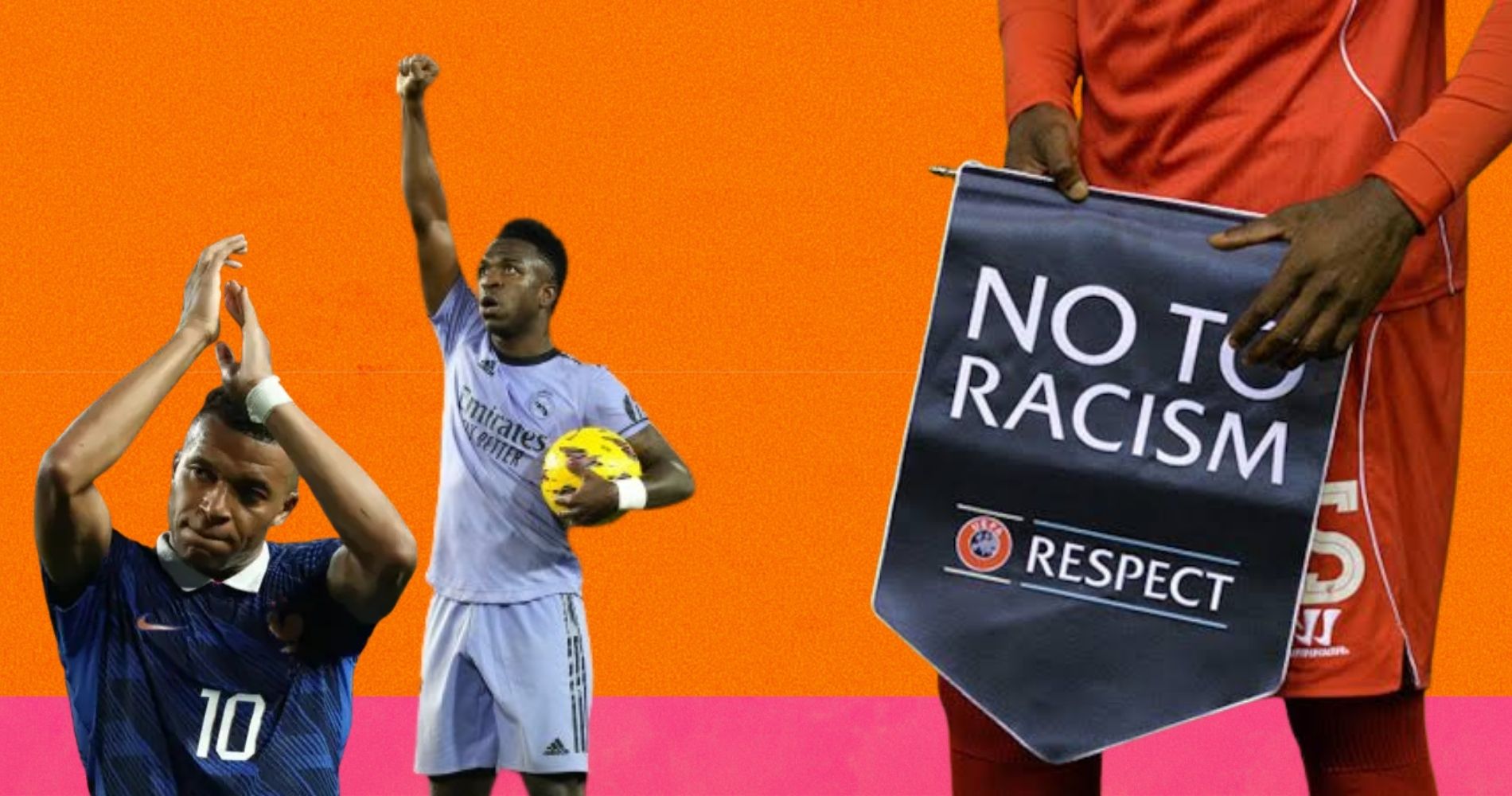
The clearest sign came from Kylian Mbappe. After France beat Paraguay in the round of 16, Paraguayan senator Celeste Amarilla posted a string of remarks online mocking Mbappe's Cameroonian roots, his upbringing and his appearance. French prosecutors opened an investigation into aggravated public insult and incitement to hatred. FIFA, the United Nations and French President Emmanuel Macron all condemned the comments. What was even more alarming was that the post came from a sitting lawmaker rather than someone anonymous, which is why it has shaken so many observers of football's relationship with politics.
Around the same time, the American streamer IShowSpeed, who is Black and has tens of millions of followers, was livestreaming Argentina's round of 32 match against Cabo Verde in Miami when a fan wearing an Argentina jersey was filmed telling him to go home and, using a racial slur, telling him to go cry at the zoo. FIFA opened an investigation and said such behaviour was not welcome anywhere in the game.
England captain Harry Kane added a different kind of controversy. After a goalless draw with Ghana, he said England had come up against "these types of nations” that sit back and waste time. Ghanaian fans and commentators called the phrase condescending, arguing that it reduced a disciplined tactical performance to a stereotype about African football rather than treating it as a legitimate approach that any team might use.
Then came Egypt's round of 16 collapse against Argentina. Egypt led 2-0 before conceding three late goals to lose 3-2. As the match unravelled, coach Hossam Hassan crossed his arms in an X, the gesture FIFA introduced in 2024 specifically for reporting racist abuse to the referee. He was shown a yellow card instead, and no anti-discrimination protocol was triggered. It was later reported that Hassan made the gesture after hearing that a section of Argentina supporters had chanted what was translated as an insult comparing Egyptian players to monkeys. Hassan himself later said his frustration was mainly about refereeing decisions, which only deepened the confusion over what the gesture is actually for and how seriously officials treat it when it is used.
A racist remark once needed a newspaper or a stadium microphone to travel. Now it needs one phone and one post.
Argentina's own conduct did not end there. After beating England in the semi-final, several players unfurled a banner reading "Las Malvinas son Argentinas", reviving the decades-old dispute over the Falkland Islands in a moment that was more nationalist than racial but which FIFA is now investigating for breaching its code of conduct. It followed a pattern from Argentina's recent history, including chants about French players' African heritage after the 2024 Copa America and a banner mocking the fact that many French players were of African heritage or immigrant backgrounds during the country's 2022 World Cup homecoming celebrations.
Then there is the Democratic Republic of Congo's celebrated "living statue" fan, Michel Kuka Mboladinga, known as Lumumba Vea for his motionless tribute to Congo's first prime minister. He missed a crucial match after being denied a US visa. Later, it was clarified that the delay was officially tied to Ebola-related travel restrictions from Congo, rather than being a discriminatory decision in itself. But it occurred within a much larger pattern that made it impossible to view in isolation.
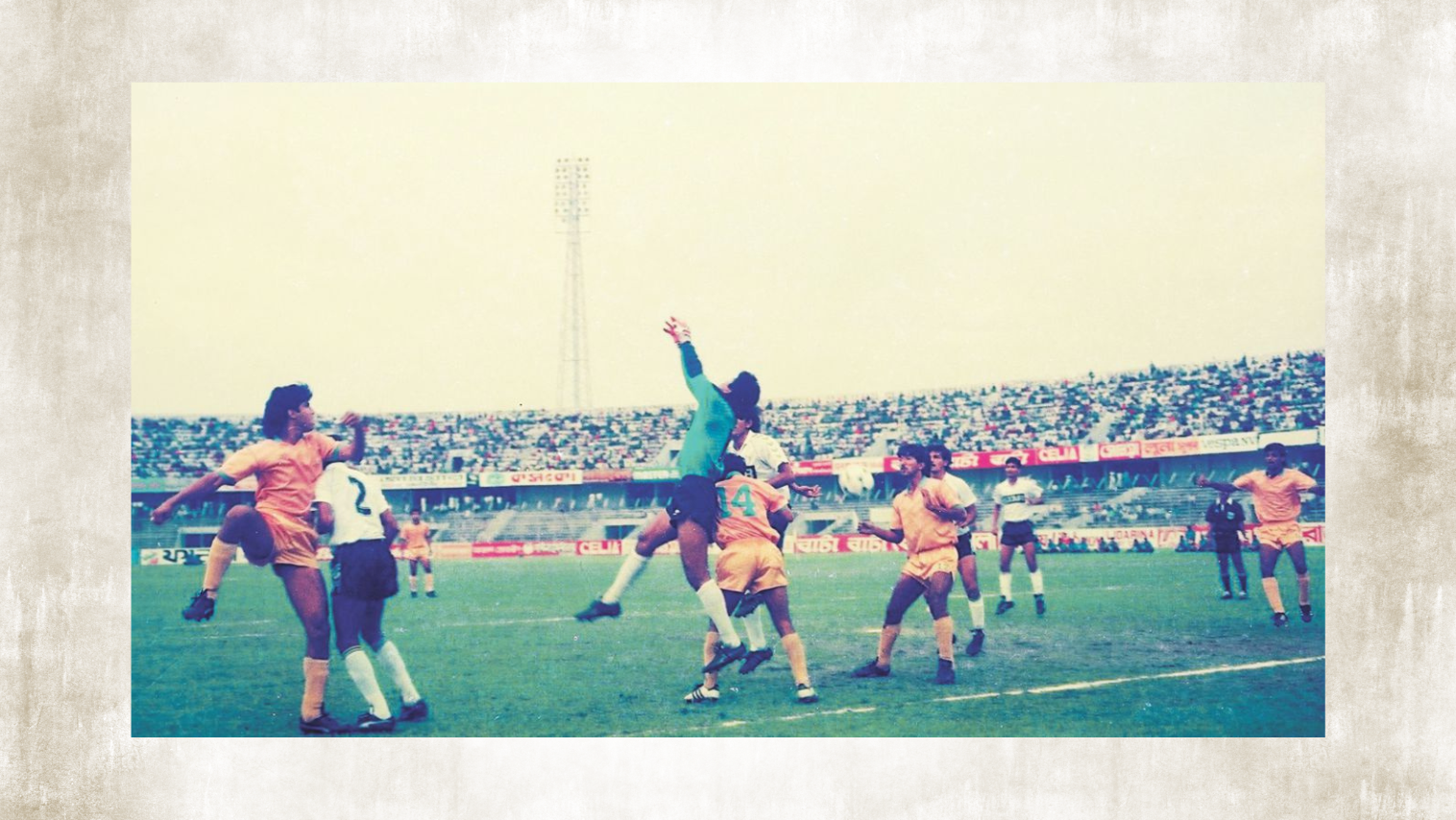
These were not the only incidents. The Dutch football federation filed an official complaint after players were targeted with racist abuse online following a defeat to Morocco. London Mayor Sadiq Khan called on media regulator Ofcom to investigate what he described as "out of control" online racism against World Cup players, including members of the England squad. Former Serbian striker Rade Bogdanovic, working as a commentator, apologised after making racially loaded remarks about Black players during a Belgium versus Iran match. Taken together, these incidents describe a tournament in which racial commentary became a persistent undercurrent rather than an occasional lapse.
Not new, but not the same either
Football has never been free of racism. Dani Alves ate a banana thrown at him during a match in Spain in 2014, turning humiliation into a statement. Brazilian striker Hulk said he heard monkey chants in almost every match while playing in Russia before that country hosted the 2018 World Cup. France's multiracial 1998 World Cup-winning squad was dismissed as "artificial" by the far-right leader Jean-Marie Le Pen. Zinedine Zidane and his teammates faced years of racist backlash despite delivering France's first World Cup.
A study published in the European Journal of Cultural Studies by Jacco van Sterkenburg and colleagues examined how football commentary and fan discourse repeatedly frame Black players through physicality and instinct while reserving words such as intelligence and composure for white players. A widely cited 2020 analysis by the research firm RunRepeat, covering more than 2,000 commentary statements across European matches, found that commentators were far more likely to praise lighter-skinned players for their thinking and darker-skinned players for their power. A themed issue of the journal Ethnic and Racial Studies on racism and migration in football describes the sport as being pulled between two identities at once: a space that unites nations and a stage that amplifies the same prejudices found in the societies watching it.
What is different in 2026 is the scale and speed. Social media has turned a single post into a global incident within hours, and FIFA's own data shows the volume of abuse has multiplied far faster than the sport itself has grown. This reflects a wider trend of political polarisation bleeding into football, where people now feel freer to say in public what they once kept to themselves.
Older tournaments offer a useful contrast. In 2002 and again in 2018, African and Asian teams were routinely described by European commentators as physically gifted but tactically unsophisticated, a framing repeated so often that it became a kind of shorthand that nobody questioned. England defender Jess Carter stepped away from social media during Euro 2025 after facing racist abuse, showing that this is not confined to men's football or to World Cups alone. What has changed is not the underlying attitude but the machinery around it. A racist remark once needed a newspaper or a stadium microphone to travel. Now it needs one phone and one post.
Why the United States matters here
The choice of host country is not incidental to this story. The Trump administration's travel restrictions, covering several countries including Somalia, Iran and Haiti, created real consequences before the tournament even began. Referee Omar Artan, who was set to become the first Somali official at a World Cup, was denied entry at Miami airport despite holding a valid visa, having been fully vetted, and was flown back to Istanbul. Reports from the American Immigration Council and NPR documented Iraqi staff being turned away, Iranian coaching staff being forced to train from Tijuana because of visa delays, and roughly 147 of 150 Ghanaian fan visa applications being rejected. Immigrant rights groups warned that fans, journalists and players faced a genuine risk of enforcement action at stadiums.
FIFA has historically intervened when hosting arrangements collided with discrimination. It moved an under-21 tournament out of Indonesia in 2023 after Jakarta refused visas to Israel's team, and it pressured England in 1966 into accepting North Korea's players. It is worth arguing that FIFA's comparative silence in 2026, beyond routine statements condemning individual incidents, shows an organisation more comfortable managing publicity than confronting the politics of its own showcase event. When the host nation's immigration policy itself becomes a subject of human rights concern, the line between football racism and national politics becomes very hard to draw cleanly.
There is also a financial dimension worth naming plainly. FIFA president Gianni Infantino has spent years cultivating a close relationship with the Trump administration, and this tournament is the single largest commercial event in the organisation's history. A coalition of racialised workers' groups wrote to FIFA, arguing that the visa denials formed a pattern along the lines of race, religion and national origin, and urged it to apply its anti-racism protocols to host countries, not only to fans in stadiums. FIFA's response, that visa decisions belong to the host government alone, is technically accurate but sits uneasily alongside its readiness to relocate tournaments over similar issues in the past. A body willing to move matches out of Indonesia over one barred team has not shown the same willingness to challenge a host country barring entire nationalities of supporters.
What this World Cup actually shows
Racism in football was never dormant. What 2026 reveals is how thoroughly the sport now sits within wider political currents, from nationalist rhetoric in Argentina to restrictive immigration policy in the United States to the sheer amplifying power of livestreams and social platforms. FIFA has the tools to respond, including the "X" gesture protocol and its own monitoring service, but enforcement has been inconsistent, as Hossam Hassan's yellow card showed.
The pattern connecting Mbappe, IShowSpeed, Kane's remark and the visa denials is not that football created racism. It is that football, watched by billions and hosted this year by a country embroiled in its own immigration debates, has simply made it impossible to look away from.
Tagabun Taharim Titun is a content executive at The Daily Star and writes to bring overlooked issues to light. She can be reached at [email protected].
Send your articles for Slow Reads to [email protected]. Check out our submission guidelines for details.
How the banned film Satluj reopened the darkest wound in Punjab's history
How Kolkata shops preserve the memories of East Bengal
How Roman Jakobson changed modern thought
Football as freedom: From colonial Bengal to Bangladesh
The forgotten South Asian soldiers of the First World War
How Dhaka lost its green and water: Revisiting the first master plan of the city
Bengal’s forgotten connections with Nazi Germany
Muzharul Islam and his spaces of belonging
The rise, decline and revival of Buddhism in Bengal