


Understanding autism: How Cucurella’s curls changed the conversation
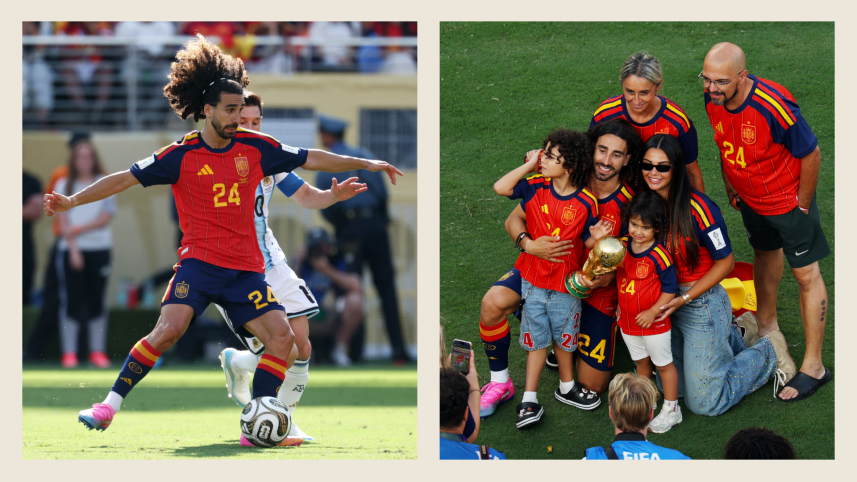
When eventual champions Spain faced France in the World Cup semifinal, I half-expected a tight contest to hinge on a clumsy defensive slip. To be honest, I spent the opening minutes worried Marc Cucurella’s wild mane of hair might block his vision.
But my own vision turned out to be the flawed one, as Spain’s relentless pass-and-move football suffocated France.

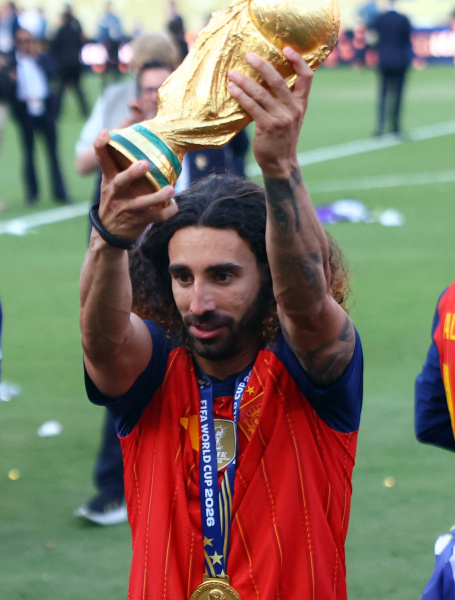
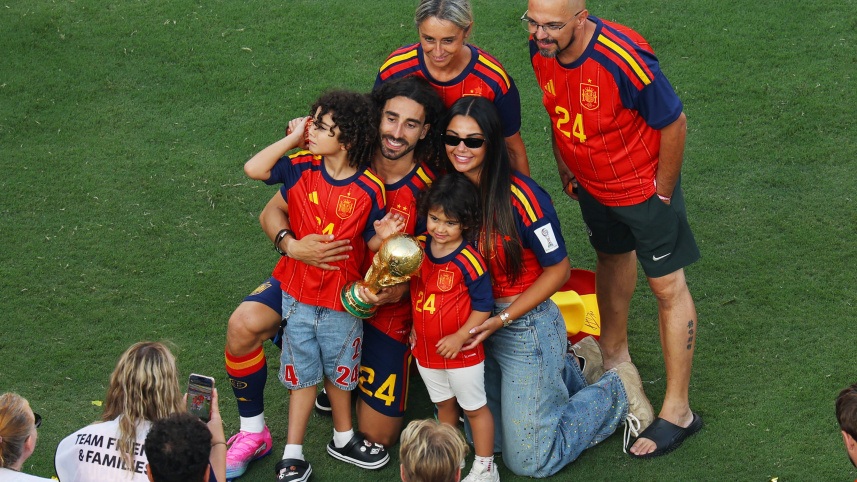
Those untamed curls are one of football’s most instantly recognisable silhouettes, like the legendary manes of Carlos Valderrama. Cucurella, though, keeps his hair loose for a deeply personal reason: it allows his eldest son, Mateo, who is autistic, to spot him easily from the stands and on television.
Football excels at telling us tactical stories. We understand why a manager presses high, why a winger hugs the touchline, or why a keeper builds from the back. Yet we remain distant from the human beings inside the shirts.
In much of the world, autism remains misunderstood. Parents endure hushed judgments that their child is "difficult," "unruly," or the product of poor parenting, often leading to families retreating into isolation.
Public spaces, schools, and social systems actively struggle to support neurodivergent kids, leaving parents to navigate a complex maze of trial and error, with fear arriving long before clear information.
"Okay, your child is autistic. But parents are unprepared for this. We had to learn everything from scratch," Cucurella told Spanish outlet El Desmarque.
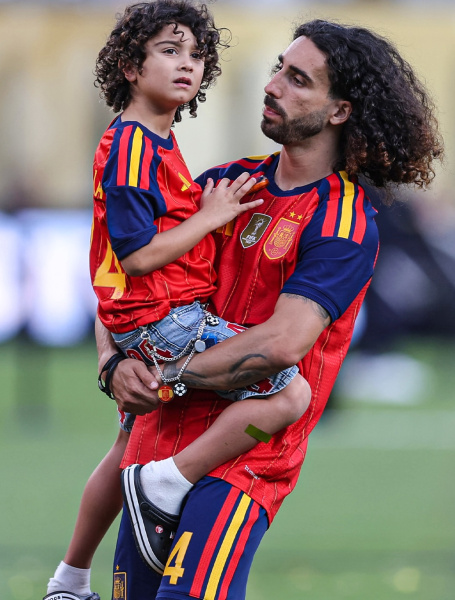
What makes his words so profound is his total willingness to admit ignorance, and that he is a father, a parent, figuring it out step by step.
Society often demands that public figures serve as fully formed role models or flawless advocates. Thus, in a world obsessed with expertise, there is immense power in an elite athlete admitting he had no answers.
Cucurella and his partner, Claudia Rodriguez, speak openly about their journey: pulling Mateo out of school early due to sensory overload, wrestling with a complete absence of guidance, and reshaping their entire lifestyle around Mateo and his two younger siblings, Rio and Bella.
When Real Madrid announced Cucurella’s high-profile signing from Chelsea right at the start of this World Cup, the move carried significant weight. Raised in Barcelona's youth academy, joining Madrid is a seismic professional shift. Yet for a father of three navigating a nonverbal child's developmental needs, a return home to Spain perhaps represents greater stability with familiar support networks for Mateo, now seven years old.
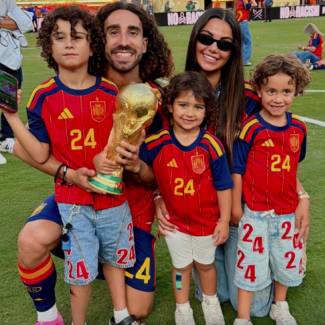
"If my family is doing well, I can give my best on the field," he said.
It sounds like basic common sense, but in professional sports it borders on the revolutionary. It is worth remembering that some still glorify the belief that players should leave their personal lives at the dressing-room door -- evident in the backlash Belgium’s Jeremy Doku faced simply for prioritising the birth of his firstborn during this World Cup
Cucurella’s curls could remind us to avoid snapping judgments we make about people's appearances. We instinctively assign meaning to hairstyles, body language, and habits based on assumptions. Sometimes a choice is simply stylistic. Sometimes, it is a father ensuring his son can find him in a crowded stadium.
The wise path is curiosity over judgment.
The most compelling part of Cucurella’s interviews is his focus on joy.
"Kids like Mateo are amazing," he shared in an interview with The Athletic. "He’s changed our lives, brought us incredible joy, and allowed us to see the world differently."
For most parents, developmental milestones are routine expectations. For parents of neurodivergent children, every milestone is a triumph. As Cucurella put it: "Even a small step forward brings more joy than anything else."
Sometimes awareness campaigns arrive in official leaflets. Sometimes they arrive via a 28-year-old left-back flying down the touchline at the “greatest show on earth”.
At the end of the day, football -- sports in general -- still possesses a unique power to start conversations that politics, healthcare, and education struggle to initiate.
 For all latest news, follow The Daily Star's Google News channel.
Comments