


Dhaka in July LY Frolic, fervour and full houses
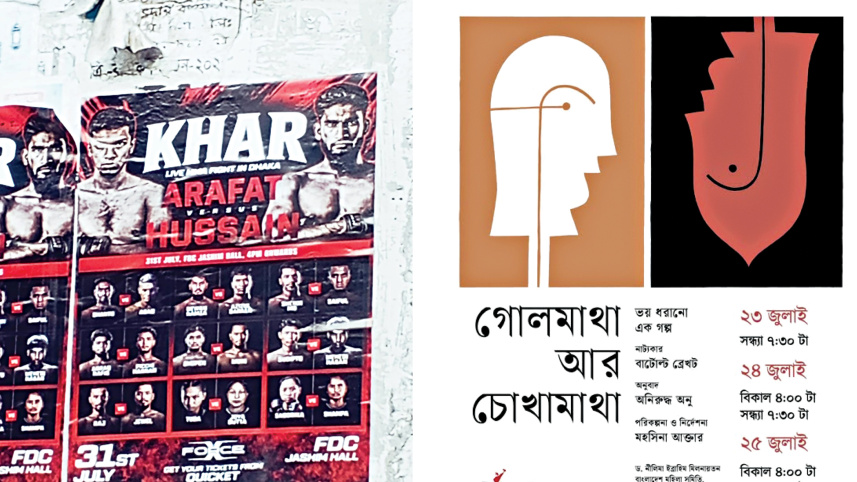
Dhaka never ceases to amaze me with its spectrum of social life. On one side, the city bursts with frolicsome gatherings, playful celebrations, and activity‑driven events that feel almost carnival‑like. Swing to the other end, and you encounter more serious, policy‑leaning pursuits. Yet, in this 400‑year‑old city, we somehow hold both ends together, drawing a line through the middle and savouring the balance. That’s the real thrill of Dhaka -- its ability to let us enjoy both the frolic and the fervour, while keeping the city’s pulse steady and vibrant.
Theatre has long been part of Dhaka’s DNA, a shared energy between audiences and stalwarts on stage. We are drawn to the raw emotion and shifting cadences of live monologues and dialogues. For too long, natok culture was unfairly tagged as “artsy,” but that stereotype has faded. I’m an avid fan myself, heading to plays or cinemas with my gang of girlfriends and cousins -- and even our octogenarian mothers in tow.

From stuffy open‑air programmes and beautiful plays like Love Letters, to concerts, intimate musical evenings, and even the raw energy of Dhaka’s underground MMA combat sports, everything is happening here, and I’m loving it. July alone is packed with engagements.
First on the list is the final run of Golmatha Ar Chokhmatha, staged on July 23, 24 and 25 at Mahila Samiti, Bailey Road. Written by Bertolt Brecht and directed by Mohsina Akter, the play blends satire, humour and sharp questioning to invite audiences to rethink society’s contradictions. Its April staging drew enthusiastic responses, with praise for the bold production and the way Brecht’s wit connected to Dhaka’s contemporary energy.
This time, anticipation is heightened by the return of Syed Jamil Ahmed, one of Bangladesh’s most respected theatre figures, who steps back into acting after 42 years, under the direction of his former student. His comeback is both nostalgic and symbolic: a reminder that directors should occasionally act to stay connected to the craft and to understand performers’ challenges. His rare appearance adds gravitas to the production, making this farewell staging a landmark moment.
Meanwhile, posters near FDC are already hyping KHAR X, the 10th underground MMA showdown on July 31 at Jashim Hall. The buzz centres on Arafat Usman vs Hussain Kabir – “The Psycho Killer” versus “The Monster” -- a rivalry billed as one of MMA’s most explosive. Their last bout at KHAR 09 symbolised Dhaka’s underground MMA boom, fuelled by rival gyms and a buzzing youth culture.
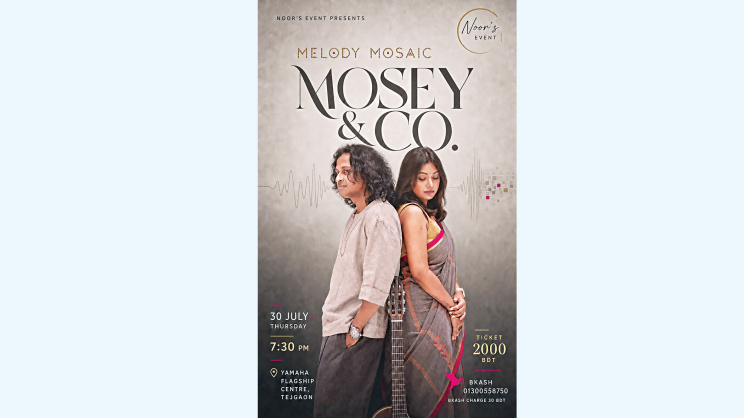
Before that adrenaline rush, calm your nerves with Melody Mosaic on July 30 at the Yamaha Flagship Center, a soulful acoustic‑folk evening led by Mosey & Co. Fan favourites Sanzida Mahmood Nandita and Shuvendu Das Shuvo promise harmonies that linger, weaving sounds both intimate and expansive. For Dhaka’s music lovers, it’s a chance to pause before the frenzy of KHAR X the following night -- a reminder of how the city’s cultural calendar balances raw energy with quiet resonance.
And then there’s my absolute favourite: the Wallflower Sessions every Wednesday night at Butternote Jazz Café, unpredictable yet welcoming. The name itself carries a quiet poignancy, giving space to those on the sidelines with unsung songs, untold stories, and unread poems. Twelve performers take the stage -- singers, poets, comics, storytellers -- each week a fresh collage of Dhaka’s creative spirit. What makes it distinctive is the atmosphere: intimate, connective, breaking down the wall between performer and audience. For Dhaka’s creative crowd, Wednesday nights have become ritual -- a chance to catch the city’s next wave of artists, stumble upon the unexpected, and revel in a space where experimentation isn’t just welcomed, it’s celebrated.
Dhaka is a cosmopolitan metropolis that keeps my calendar buzzing. Step out and the city surprises you -- an ancient banyan tree just kilometres away, Shilpakala Academy reinventing weekends, bustling farmers’ markets, and more. Even with traffic choking the streets, the metro feels like a blessing, though I wish it stretched further.
Some might dismiss my affection as biased, but Dhaka never leaves me bored. It stirs every emotion -- anger, joy, sadness, frustration -- yet always reminds me why I love being Bangalee. I love our culture, our traditions, and how Dhaka embraces them all, from the secular to the spiritual, weaving every nuance into its vibrant rhythm.
 For all latest news, follow The Daily Star's Google News channel.
Comments