


The teacher beyond the classroom
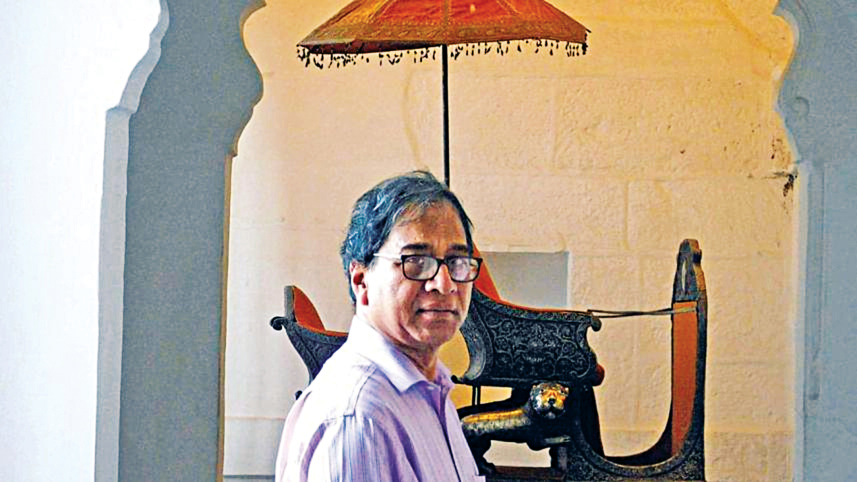
My earliest memories of Professor Fakrul sir are, naturally, of the classroom. Like generations of students at the University of Dhaka’s Department of English, I was captivated by the intellectual passion he brought to literature. Knowledge sat lightly on him; erudition was never displayed as an ornament. He taught not merely texts but ways of reading, thinking and questioning. His classes inspired confidence in students and invited them into conversations rather than lectures. What struck me most was that behind the formidable scholar was an exceptionally humane individual.
Yet it was outside the classroom that I came to know him most closely.

Professor Alam was then the teacher in charge of sports in the Department of English. Sports occupied a significant place in my own life and, in the late 1980s, I had the privilege of captaining the department team. That shared interest created opportunities for interaction beyond academic settings. Many people know him as a scholar; very few know how much he enjoys games and sports. He loved cricket, football, basketball and tennis, and participated enthusiastically whenever the opportunity arose.
On the cricket field, he was an accomplished and technically sound batter. It was always a pleasure to have him playing alongside us. The playground dissolved the conventional distance between teacher and student. There, one encountered not only an academic of distinction but also an energetic sportsperson, a supportive teammate who appreciated the simple joys of friendly competition. What began as respect for a teacher gradually evolved into affection for a remarkable human being.
My relationship with Fakrul sir deepened further through frequent visits to his residence at the University Staff Quarters on Fuller Road. Those visits introduced me to another remarkable individual who has enriched my life immeasurably—Nazma bhabi.
Warm, gracious and compassionate, she remains one of the kindest human beings I have ever known. The hospitality of their home was never merely social courtesy; it was an expression of genuine warmth. Every visitor was welcomed with sincerity, and every conversation left one feeling valued. Together, Fakrul sir and bhabi created an environment defined by generosity, affection and humanity.
Over the years, our relationship moved far beyond the conventional boundaries that usually define interactions between teachers and former students. They became guardians, advisers and friends to my family. The concern they have shown for our wellbeing has always been heartfelt and deeply personal.
My wife and our two daughters have enjoyed their affection and encouragement for many years. Whenever we meet, they inquire about each member of our family with genuine interest. During moments of uncertainty or crisis, they have never hesitated to offer guidance, comfort and practical advice. Their support has often come at precisely the right moment, reminding us that true friendship is measured not by words but by presence.
A particularly meaningful example comes to mind. Before leaving for England in September 2025 to pursue her second master’s degree in special education, our elder daughter insisted on meeting them. That meeting was important to her because their blessings mattered. Similarly, our younger daughter, now taking her Higher Secondary Certificate examinations, continues to receive their good wishes and encouragement. Such gestures reveal the depth of their affection. They invest themselves in the lives of people they care about, not out of obligation but out of genuine concern.
The reason I mention these personal details is simple: they testify to how much they mean to us and how deeply indebted we feel to them.
Our bond has also been enriched through travel. Over the years, we have journeyed together to different parts of Bangladesh, sharing conversations, stories, laughter and unforgettable experiences. Travel often reveals character more clearly than formal settings, and every journey strengthened my admiration for both of them. Their curiosity, humour, simplicity and warmth transformed ordinary trips into treasured memories.
I also remember with gratitude the years when I was teaching at Khulna University. Despite his many commitments and an inevitably busy schedule, Fakrul sir would always make time to visit our home in the Nirala Residential Area whenever he came to Khulna. Such gestures may appear small, but they reveal much about a person’s character. They reflect thoughtfulness and a capacity for sustaining relationships despite the demands of professional life.
Indeed, what has always impressed me most about Fakrul sir is the seamless harmony between intellectual distinction and personal humility. Many individuals achieve scholarly eminence. Few remain as approachable, generous and grounded. His accomplishments have never distanced him from people. His stature has never diminished his kindness. Whether speaking with students, colleagues, friends or strangers, he listens attentively and responds with respect.
For those of us fortunate enough to know Fakrul sir personally, his 75th birthday is both joyful and emotional. We honour the teacher who inspired us, the mentor who guided us, the friend who encouraged us and the elder whose affection enriched our families. We honour, too, the partnership he shares with Nazma bhabi, whose warmth and generosity have touched so many lives.
On this special occasion, I offer Fakrul sir many more years of creative fulfillment, because creativity has always animated his life and work. May he continue to write, think, translate, teach, and inspire. May his wisdom illuminate future generations as it has illuminated ours.
And may he, together with Nazma bhabi, continue to bless the lives of those who cherish them.
My prayer is simple: may Professor Fakrul Alam live a hundred years. May he continue to inspire, guide and motivate people like us. His place in the intellectual and cultural history of Bangladesh is already secure. Yet for me, his greatest achievement lies elsewhere—in the countless lives he has touched through kindness, generosity and humanity.
Ahmed Ahsanuzzaman is professor of English and Director, Kazi Nazrul Islam and Abbasuddin Ahmed Research & Study Centre at Independent University, Bangladesh (IUB). He can be reached at [email protected].
 For all latest news, follow The Daily Star's Google News channel.



Comments