


The shift toward proactive risk mitigation
As Bangladesh urbanises rapidly, the concept of the “smart building” is transitioning from a futuristic luxury to a practical necessity. In a country highly vulnerable to fires, gas leaks, flooding, and earthquakes, integrating digital technologies is vital for safeguarding lives and infrastructure. Rather than merely reacting to incidents, smart buildings utilise networks of sensors to monitor real-time data, enabling managers to mitigate risks before they escalate.
Intelligent Fire Safety and Access Control

Safety and security are central to this architecture. Modern fire detection systems, similar to those in Dubai’s Burj Khalifa, combine smoke, heat, and carbon monoxide sensors with automated emergency protocols to unlock exits and contain smoke. For security, AI-assisted CCTV networks, like those in London’s The Shard, identify threats in real time, while biometric and mobile-enabled entry systems, as seen in Singapore’s CapitaSpring, replace traditional keys to minimise security vulnerabilities.
Smart Automation and Preventive Maintenance
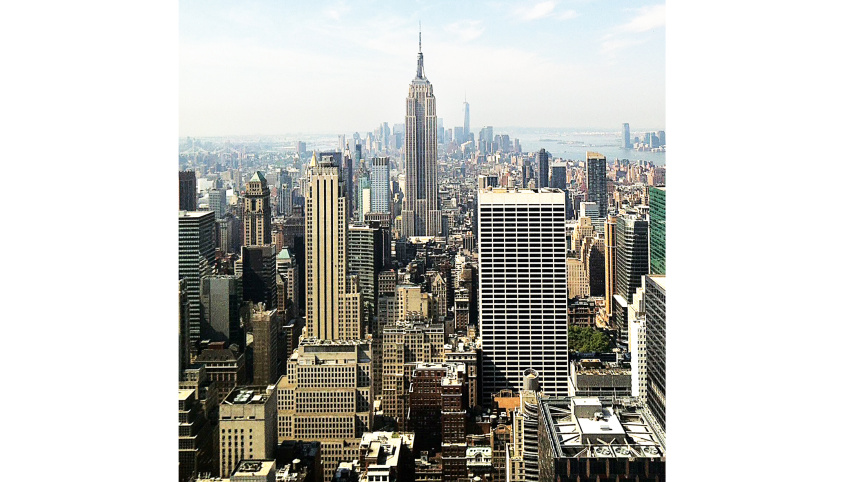
Furthermore, building automation improves efficiency and operational safety. Platforms like Amsterdam’s “The Edge” utilise thousands of sensors to coordinate lighting, climate control, and energy use, reducing waste. To prevent water damage, automated leak detection systems, common in Japan, can isolate burst pipes. Meanwhile, AI-powered predictive maintenance, used in structures like the Empire State Building, analyses system data to repair equipment before breakdowns occur.
Engineering for Disaster Resilience
The most critical feature of smart buildings is disaster resilience. Structural health monitoring systems (such as those in Tokyo Skytree) assess stability during earthquakes, while smart gas sensors prevent explosions by automatically shutting off supply lines. Additionally, integrating flood forecasting helps low-lying regions, like the Netherlands, protect vulnerable structures.
Prioritising Safety in Bangladesh’s Urban Future
In Bangladesh, commercial hubs in Dhaka’s Gulshan, Banani, and Purbachal are increasingly adopting automated systems and energy-efficient designs. However, safety-focused technologies remain far from universal. Given the country’s history of devastating fires and infrastructure failures, developers must prioritise intelligent safety systems over simple convenience. A truly smart building is not one that merely automates routine tasks, but one that actively anticipates risks, responds to emergencies, and protects its occupants through resilient design.
 For all latest news, follow The Daily Star's Google News channel.
Comments