


FIFA's ticket price gamble pays off
Tonight’s final caps a World Cup where fans were willing to shell out more than ever for a seat at the quadrennial showpiece, as ticket buyers confounded even the greatest cynics in the face of sky-high prices.
In the match at New York New Jersey Stadium -- widely billed as the single most expensive sporting event ever played in the United States -- Lionel Messi's Argentina face Spain and their teenage superstar Lamine Yamal.

It is a fitting end to a tournament that has tested the limits of what fans will spend, with FIFA's gamble paying off after concerns over visa restrictions and domestic unrest in the United States.
Scott Friedman, a ticketing expert and former executive with the Cleveland Cavaliers, said FIFA had judged demand accurately.
"What FIFA did a very good job of was determining what demand would be because people were paying these absurd prices for just about all the 104 matches," Friedman said.
Attendance figures supported that view. According to FIFA, 99.7 per cent of available seats were filled during the group stage. A Reuters analysis also found that more than half of the 72 group matches were sold out, with most of the remainder only a few hundred spectators short of capacity.
Those figures quickly dispelled early concerns after visible empty seats at the June 11 match between South Korea and the Czech Republic in Guadalajara fuelled criticism over ticket prices.
The expanded 48-team tournament also boosted demand. Group-stage tickets initially started at 575 US dollars -- more than double the highest-priced equivalent at the 2022 World Cup -- but FIFA's dynamic pricing model meant many supporters ultimately paid far more.
Even when hundreds of final tickets remained available earlier this week at just over 7,000 dollars, experts suggested it reflected "slow ticketing" -- the gradual release of inventory to create urgency among buyers -- rather than weak demand. By Friday, only a handful remained on FIFA's platform, priced at around 32,000 dollars.
The tournament marked FIFA's first use of dynamic pricing, allowing ticket prices to fluctuate according to demand. Adam Elmachtoub, an associate professor at Columbia University, said the concept itself was not unusual but called for greater transparency.
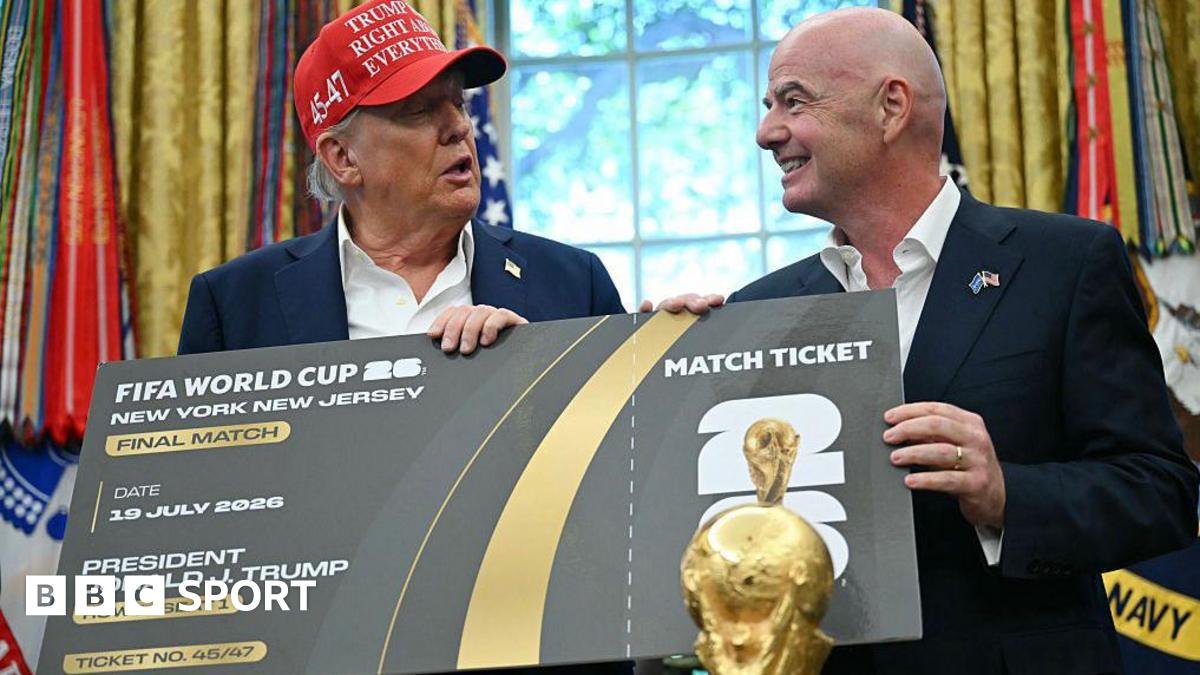
"People are willing to accept dynamic pricing... but when it's such a high-profile event, transparency will help a lot," he said.
The quality of the football also sustained interest, with the world's four highest-ranked teams reaching the semifinals for the first time and the final likely to be Lionel Messi's last World Cup appearance.
America's relatively unrestricted resale market further inflated prices. SeatGeek said the average resale price for the final exceeded 11,000 dollars, around eight per cent higher than the 2024 Super Bowl, making it the most expensive event the platform has ever sold.
Despite the commercial success, critics argued the tournament remained beyond the reach of many supporters. The Sport & Rights Alliance said fans from several countries struggled to obtain visas, while campaigners also criticised soaring ticket prices.
"It's been a World Cup for a happy few," said Ronan Evain, executive director of Football Supporters Europe, arguing that the tournament largely benefited wealthier fans who could afford both international travel and premium-priced tickets.
For FIFA, however, the tournament demonstrated that global demand for the World Cup remains strong even at record-breaking prices.
 For all latest news, follow The Daily Star's Google News channel.



Comments