


Safe food is becoming every family's top priority
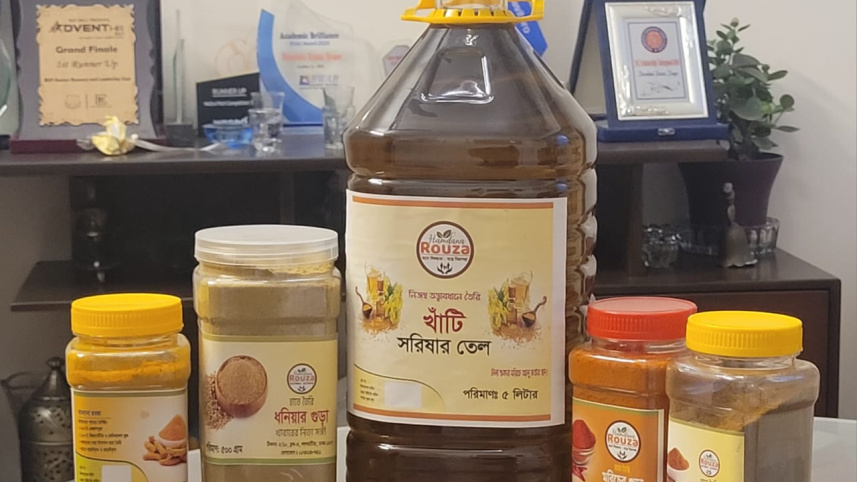
With family values at its core and a focus on local sourcing and uncompromising quality, Hamdana Rouza is proving that trust begins with what we eat.
Dhaka’s lifestyle scene has always thrived on trends, and right now the city’s newest obsession is “Pure Food.” Shelves and social media feeds are crowded with labels promising organic ghee, cold‑pressed oils, chemical‑free spices, and preservative‑free pickles. It feels as though every week a new brand arrives, each claiming to be the most authentic. That saturation is exactly what makes Hamdana Rouza’s story stand out. Rather than chasing glossy branding, they present themselves as a family‑driven initiative built on trust, transparency, and the simple idea that the food on their own table should be the same food offered to customers.

Hamdana Rouza’s clarified ghee, cold‑pressed mustard oil, pure spices, and homemade pickles spoke volumes, reflecting a simple truth: safe, trustworthy food is the foundation of health. It was less about commerce and more about shared values around food, family, and trust.
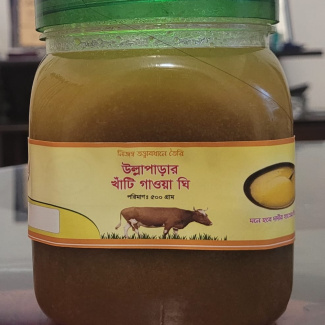
“We started small, with just seven products,” recalls founder Faridul Hoque. “Cold‑Pressed Extra Virgin Mustard Oil, Special Ullapara Gawa Ghee, and a handful of handcrafted pickles. But even then, our promise was clear—purity and trust above all.”
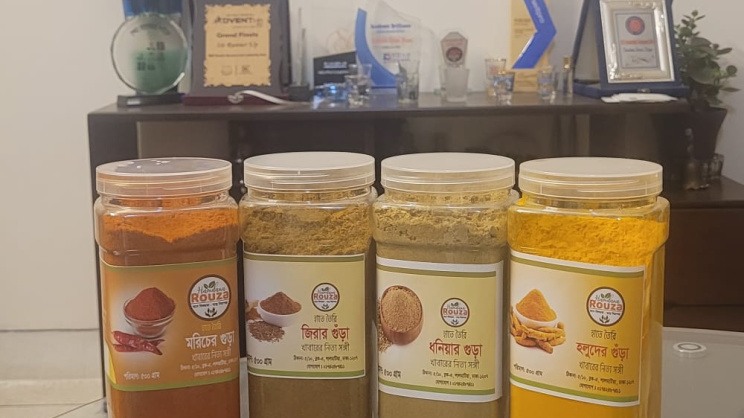
That principle has guided the brand’s growth. Today, Hamdana Rouza offers premium mustard oil, pure ghee, artisanal spice blends, and homemade pickles prepared with authentic Bengali recipes.
“Our mustard oil comes from Maghi mustard seeds grown by farmers in Northern Bangladesh,” Hoque explains. “We supervise every step, because safe food cannot be compromised.”
This sincerity sets them apart in Dhaka’s crowded market. While others rely on marketing slogans, Hamdana Rouza leans on authenticity — on the trust of doctors who choose their products for their own families, and on the quiet impact of sending safe spices to underprivileged children through initiatives like Chhayatal Bangladesh.
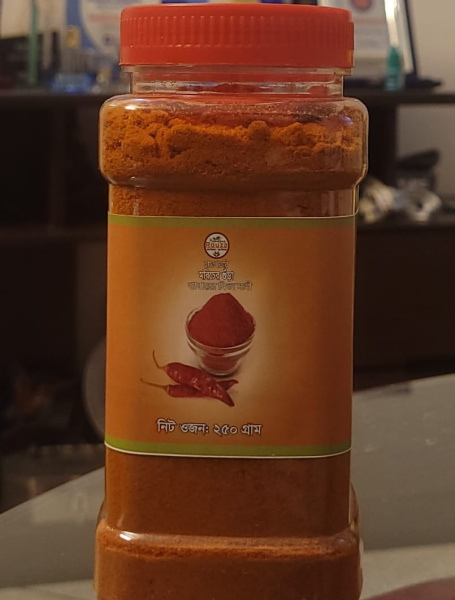
“Every jar, every bottle carries our promise,” says Hoque. “We pack them in food‑grade containers, label them professionally, and deliver them directly to our customers.”
Pricing reflects the true cost of producing safe food, while remaining fair. The guiding principle is simple: lower margins, higher satisfaction, and long‑term relationships.
Supporting local farmers is also central to their vision.
“We already cultivate coriander, chillies, olives, and mangoes on our own farmland,” Hoque notes. “And we are working with indigenous growers in Bandarban. Looking ahead, Hamdana Rouza plans to expand into mangoes from Chapainawabganj and Natore, wild tamarind from Faridpur, Red Biroi rice from Mymensingh, and red wheat from Ullapara.
“Our dream is to establish an integrated rural production facility,” Hoque shares. “A traditional wooden mustard oil press, a modern spice unit, and a set up for wood‑fired ghee. This will reduce costs, create jobs, and strengthen rural communities.”
In a city where “pure food” has become fashionable, Hamdana Rouza reminds us that purity is not a fad but a responsibility. The aroma of ghee melting into warm rice, the earthy sharpness of mustard oil, the bite of fresh chilli and coriander — these are not just flavours, they are promises.
Bengali culture celebrates thirteen festivals in twelve months, and Hamdana Rouza believes every festive table should offer not only delicious food, but food that is safe and pure.
“We don’t just sell food,” Hoque emphasises. “We deliver trust.”
Photo: Courtesy
 For all latest news, follow The Daily Star's Google News channel.
Comments