


Goutam Ghose joins Gold Mercury’s Megavisionary Council
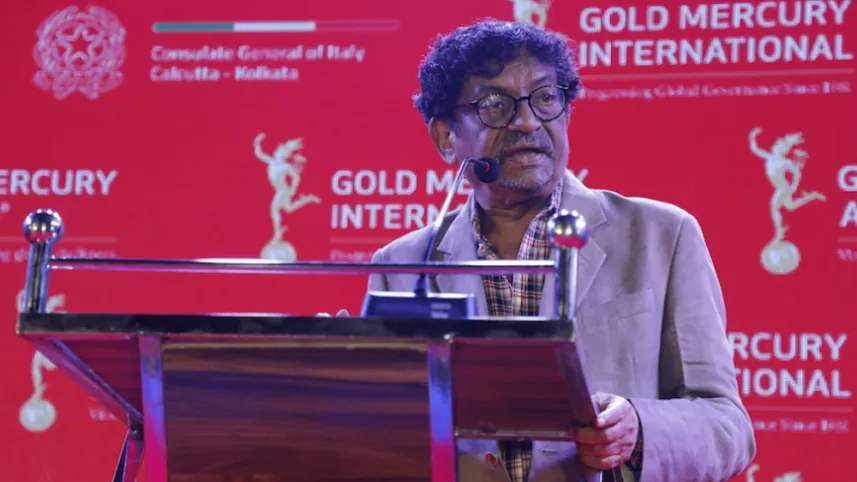
Indian filmmaker Goutam Ghose, known internationally for films including “Padma Nadir Majhi” and “Shankhachil”, has joined the Megavisionary Council of Gold Mercury, an international organisation focused on long-term leadership, international cooperation and what it calls “Future Worldbuilding”.
The appointment places Ghose, whose career has spanned more than five decades, in a council that brings together figures from government, international institutions, business, science, technology and civil society. According to Gold Mercury, the council provides strategic insight into the long-term challenges shaping humanity’s future.

Goutam Ghose’s body of work has frequently explored humanism, cultural identity, social justice and the relationship between people and the natural world. Born in Kolkata in 1950, he began making films in the 1970s and went on to become one of India’s most internationally recognised filmmakers.
His notable films include “Antarjali Jatra”, “Padma Nadir Majhi”, “Moner Manush”, “Shankhachil” and “Rahgir”. He has also made documentaries on figures including filmmaker Satyajit Ray, shehnai maestro Bismillah Khan and the Dalai Lama.
The filmmaker’s international career has taken his work to major film festivals around the world, while his films have received recognition in India and abroad.
Gold Mercury, founded in 1961, describes itself as an international organisation and strategic think tank advancing “Visionary Governance” and “Future Worldbuilding”. Its Megavisionary Council includes distinguished figures whose experience and long-term perspective contribute to the organisation’s broader mission.
Ghose is also expected to contribute to discussions surrounding artificial intelligence and its growing influence on cinema and the creative industries, according to the announcement.
The development comes at a time when AI is rapidly reshaping filmmaking, from image generation and visual effects to writing, production and post-production. The debate over the technology has increasingly raised questions about authorship, creative labour, cultural identity and the place of human creativity in an industry undergoing rapid technological change.
For Ghose, the intersection of cinema, culture and technology offers a wider conversation about how creative expression can remain rooted in human values while responding to a changing world.
Gold Mercury President and Secretary General Nicolas De Santis Cuadra is quoted in the announcement as welcoming Ghose’s contribution to the council.
Ghose, meanwhile, is quoted as saying that cinema and culture have the ability to connect people across borders and expressing his interest in contributing to efforts toward a more peaceful, humane and sustainable future.
 For all latest news, follow The Daily Star's Google News channel.
Comments