


Exhibition on Novera Ahmed unfolds an illustrious life in sculpting
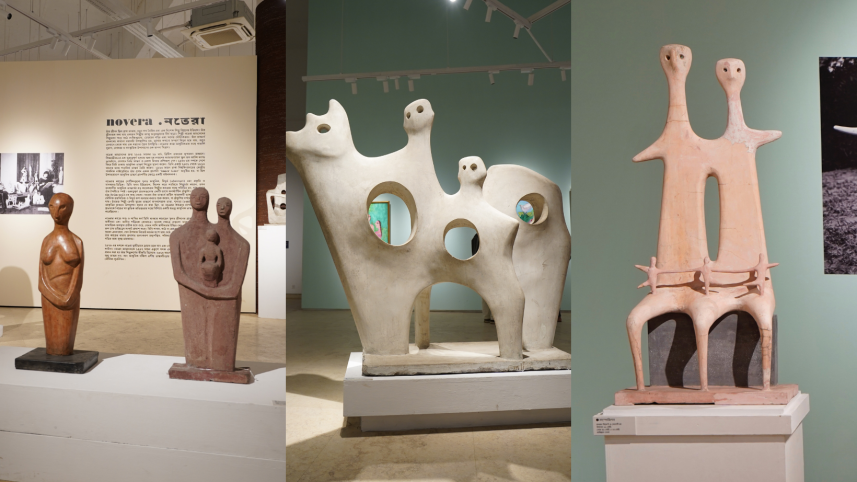
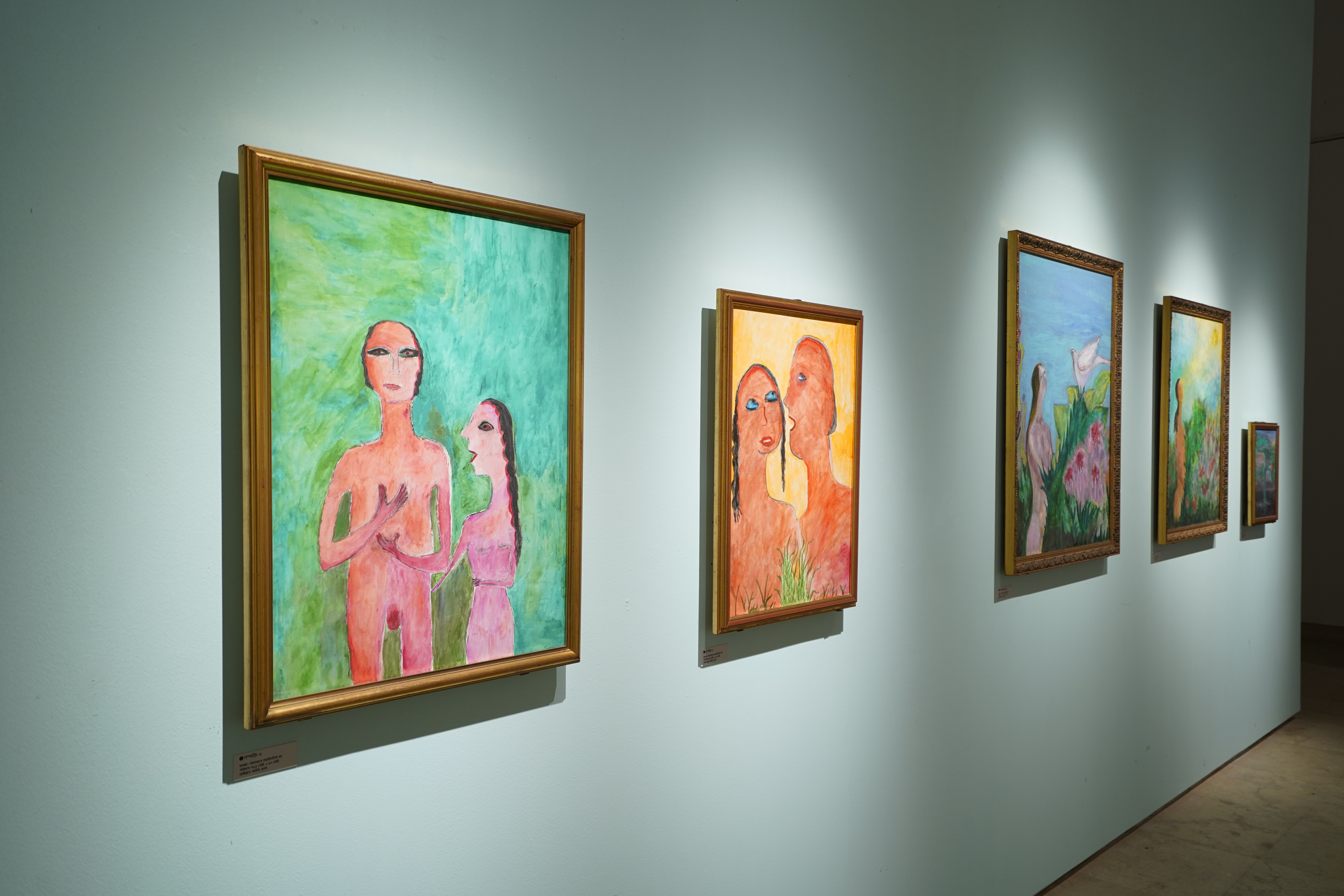
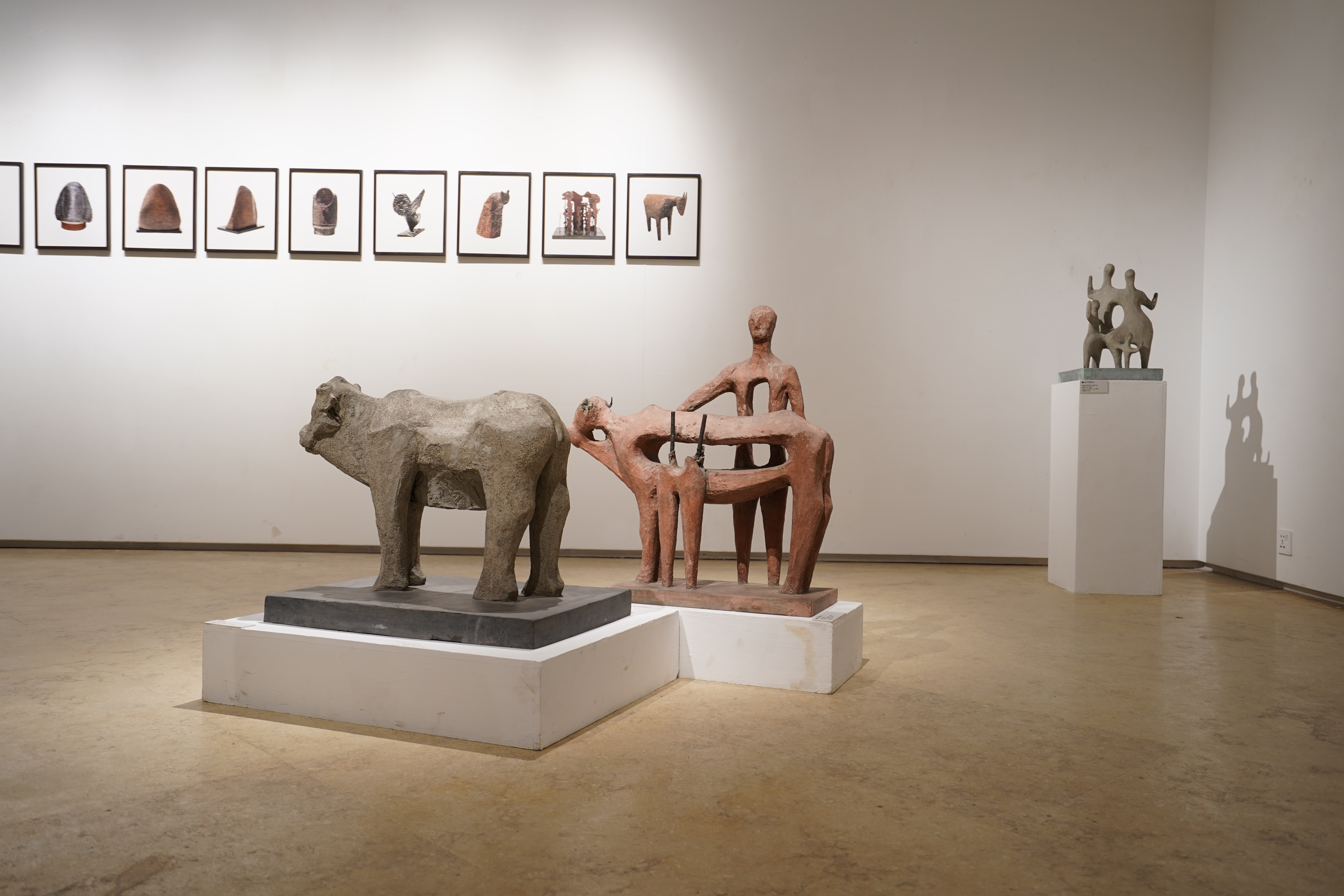
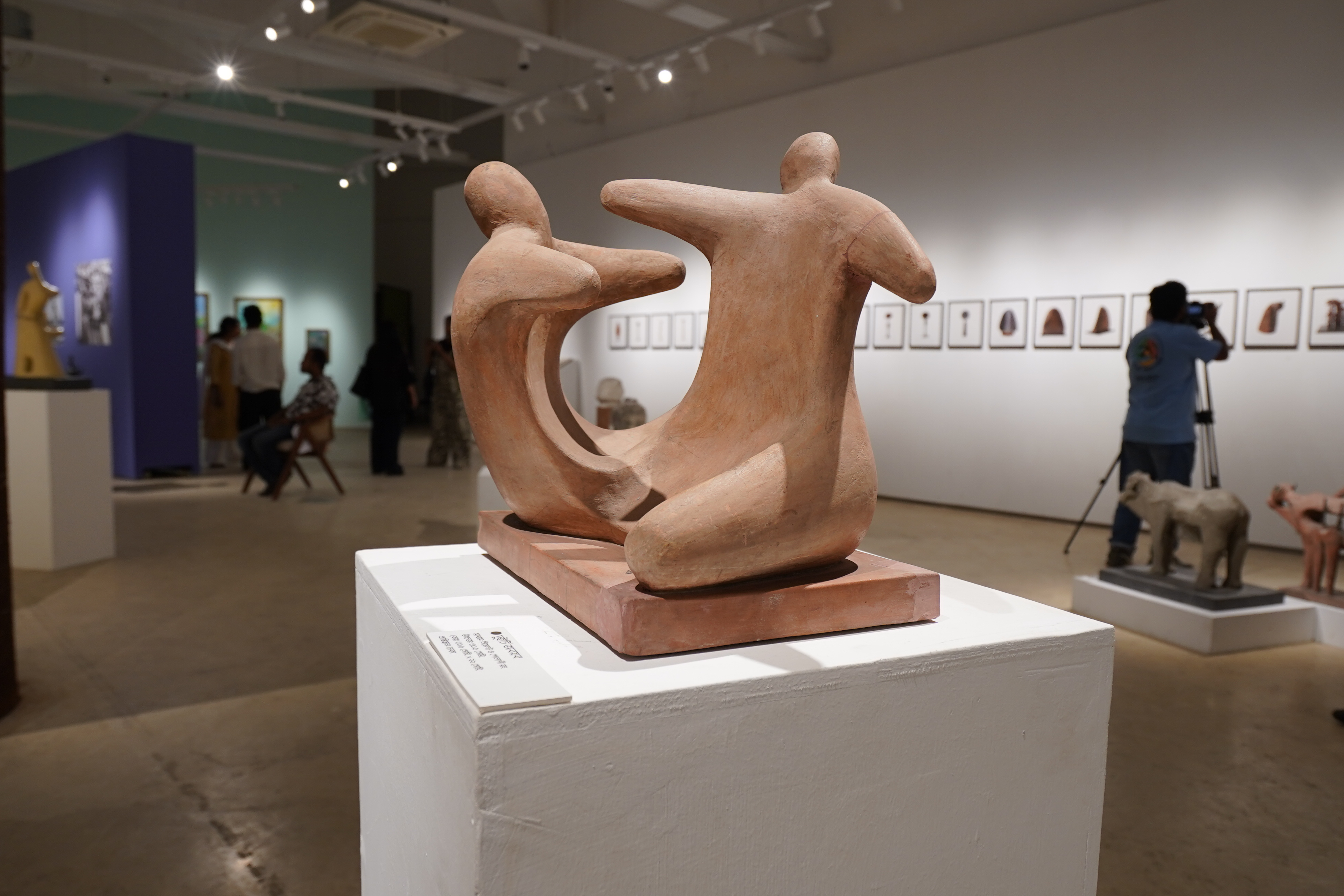
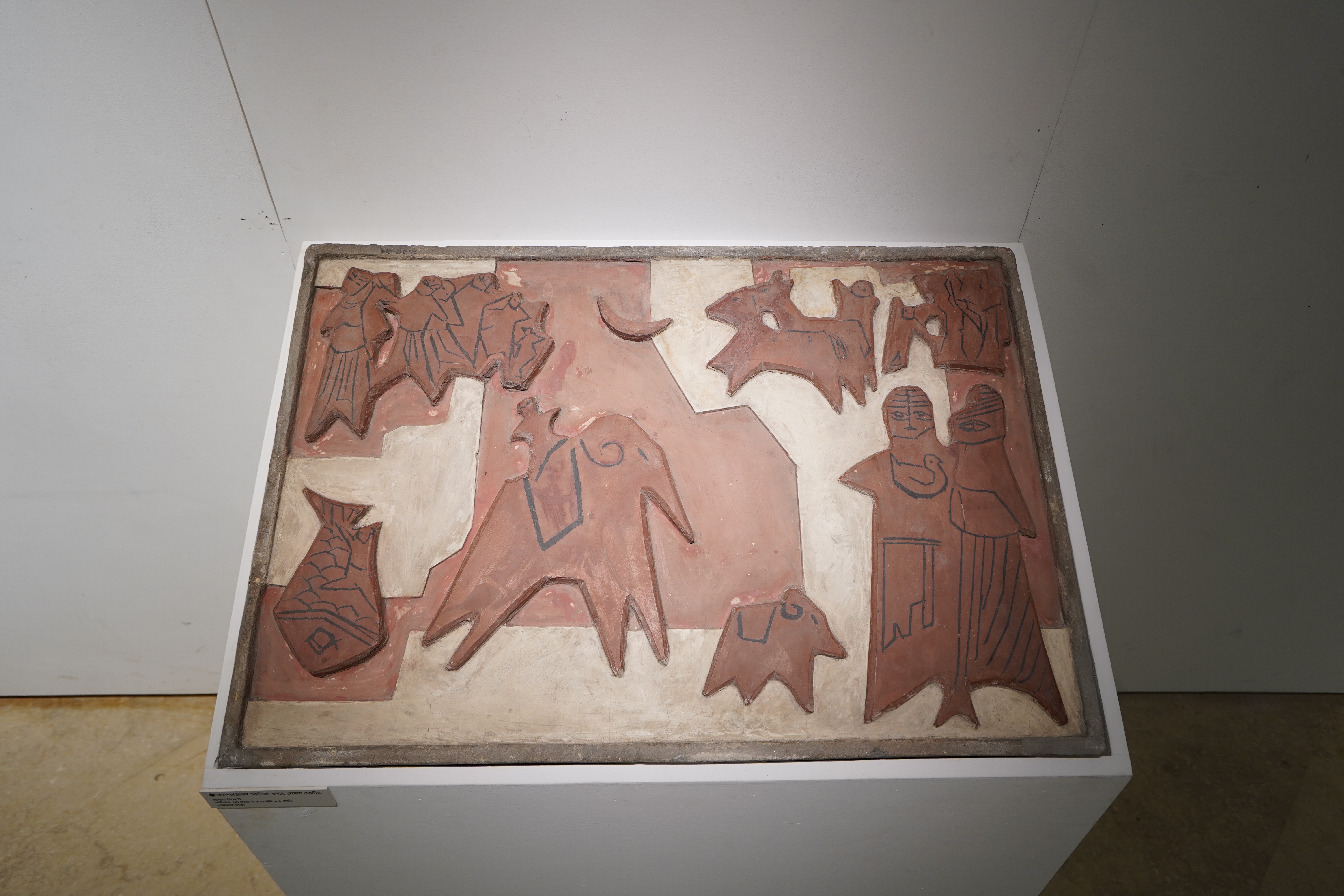
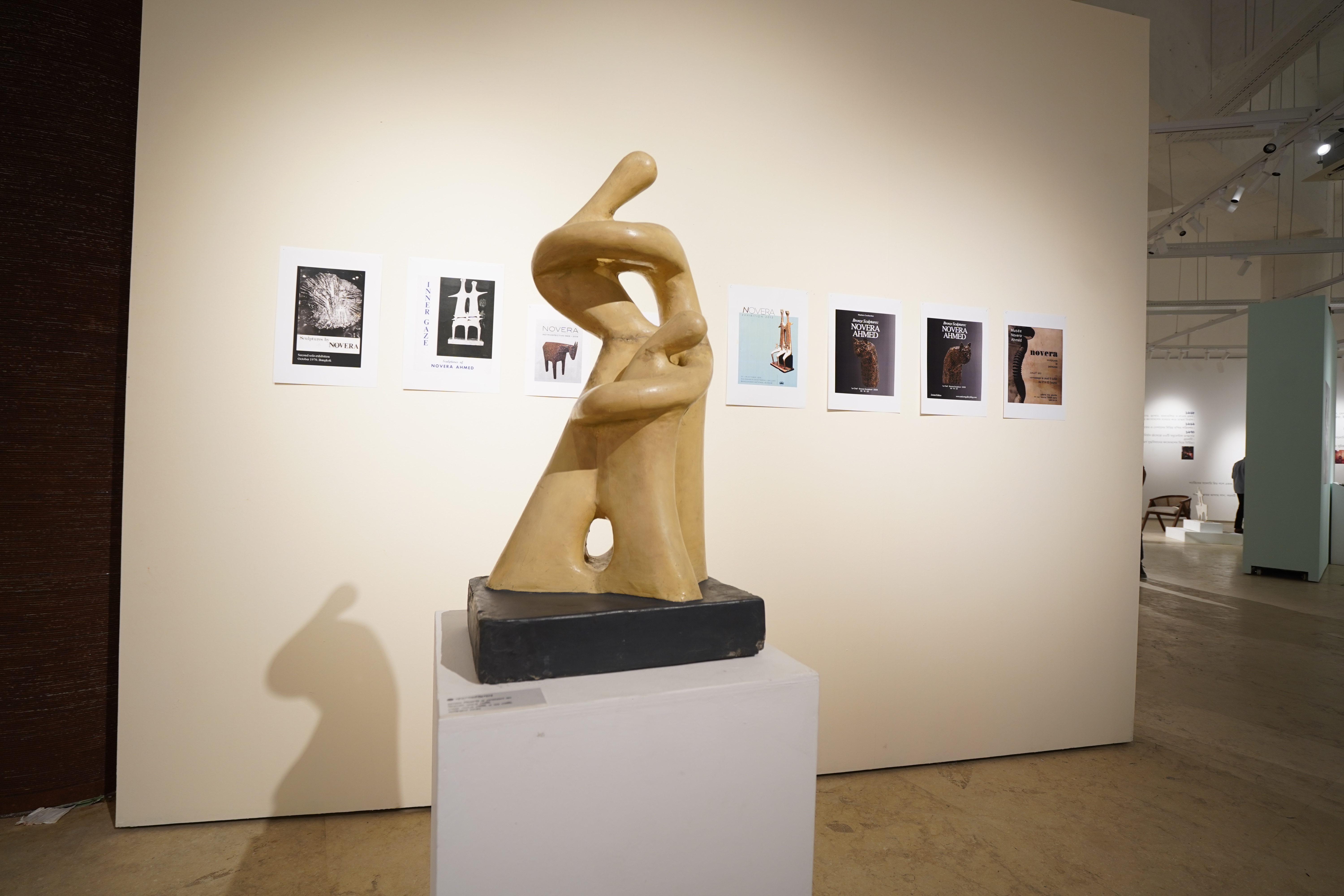
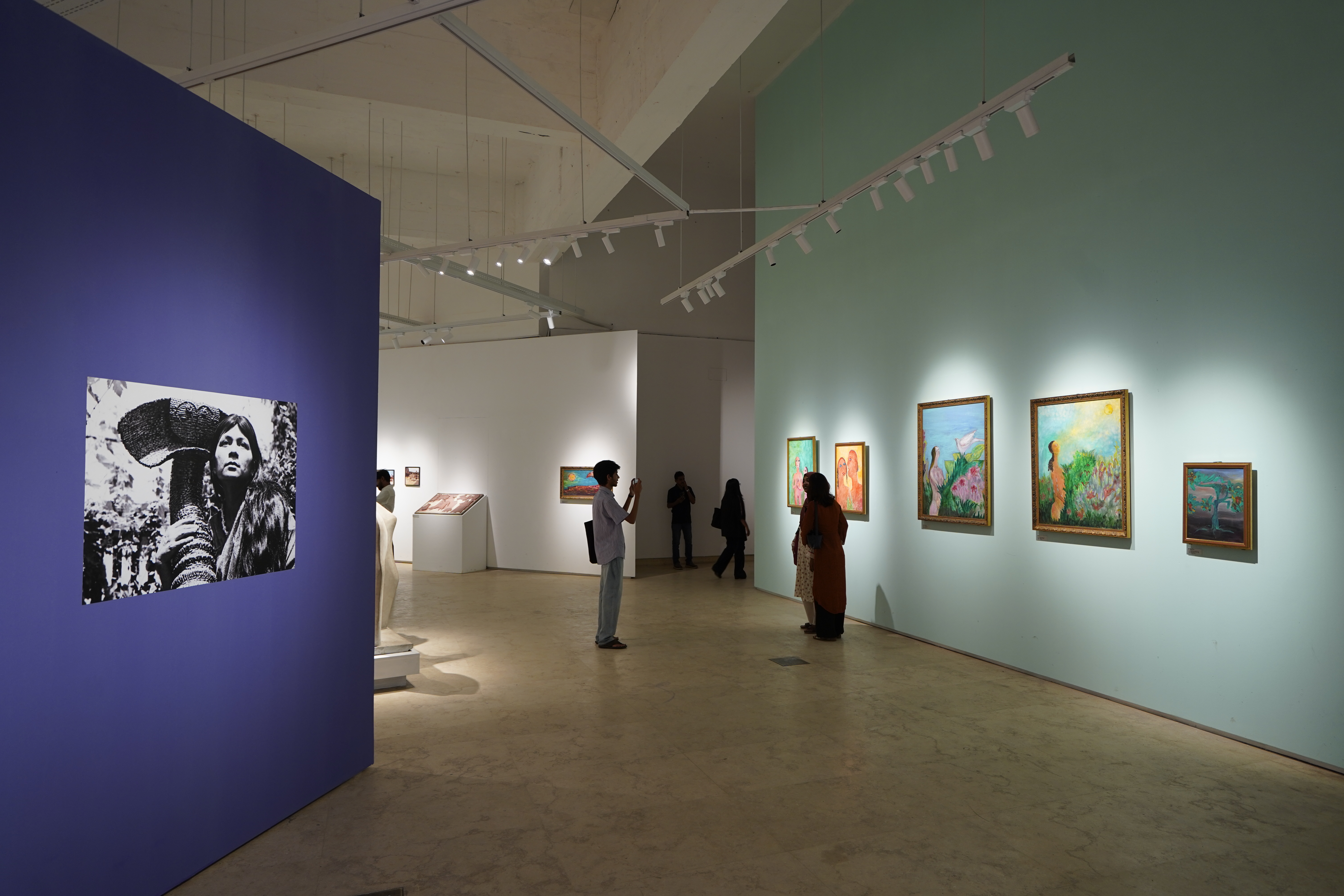
A focused survey into the life and work of Novera Ahmed through sculpture, painting, archival photography and personal objects is currently being presented at the Nalini Kanta Bhattasali Exhibition Gallery of the Bangladesh National Museum. The gallery has been arranged with works on white plinths, biographical panels spread across the walls, and a long glass case containing garments and other belongings, which gives visitors a direct sense of the artist’s presence alongside the history of her practice. The exhibition, titled “Novera.Novera”, remains open to all visitors until tomorrow (July 21), from 10:30 am to 4:30 pm, at the museum in Shahbag.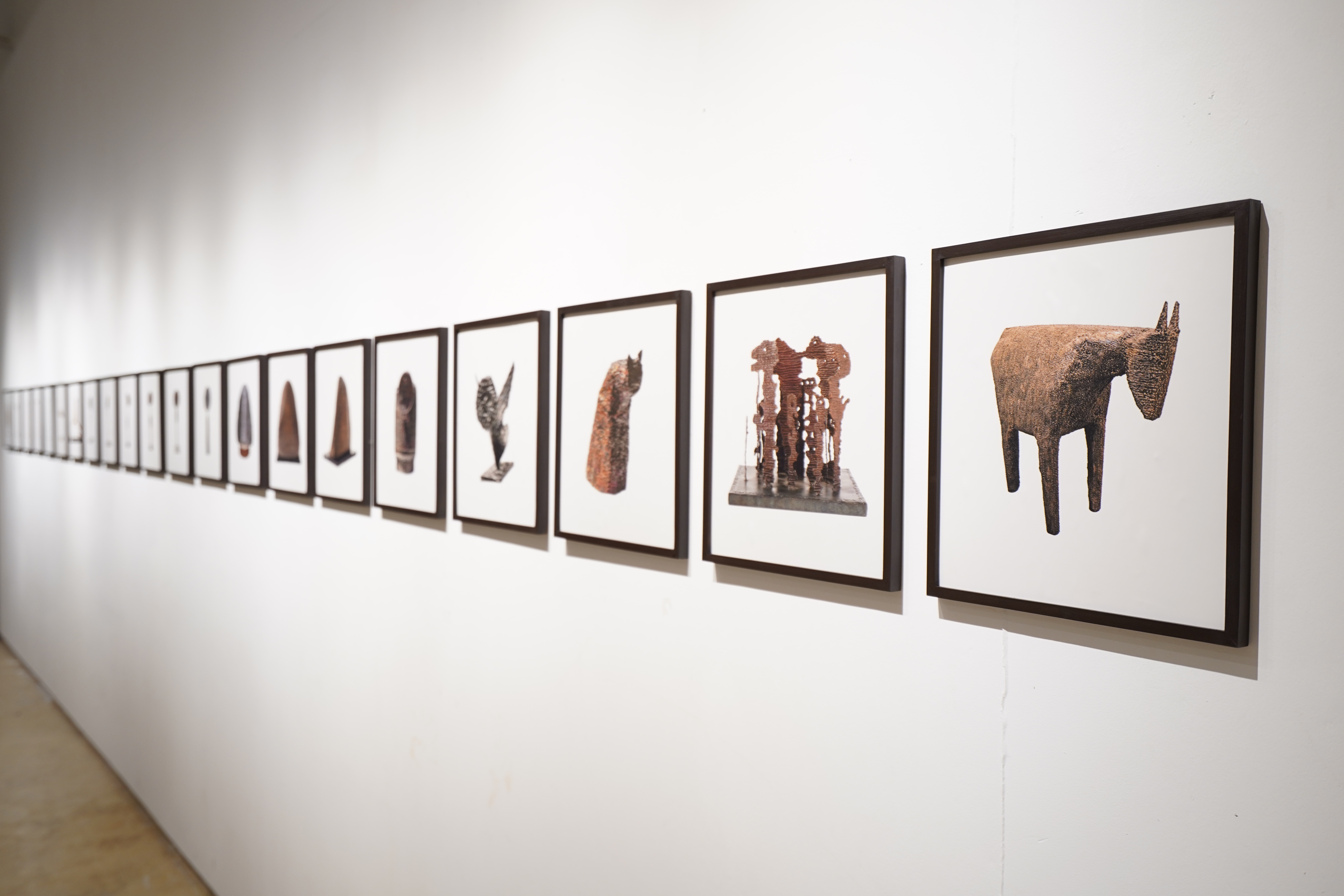
Ahmed occupies a foundational place in the history of modern sculpture in Bangladesh. She trained in London at Camberwell School of Arts and Crafts, studied under sculptor Karel Vogel, and later worked in Florence with Italian sculptor Venturino Venturi. Her return to Dhaka in 1956 placed a formally trained sculptor inside an art scene that had limited facilities for casting, carving and large-scale construction. To accommodate this, cement, plaster and locally available materials became central to her early practice. She also worked on public commissions and contributed to the original Shaheed Minar project with artist Hamidur Rahman.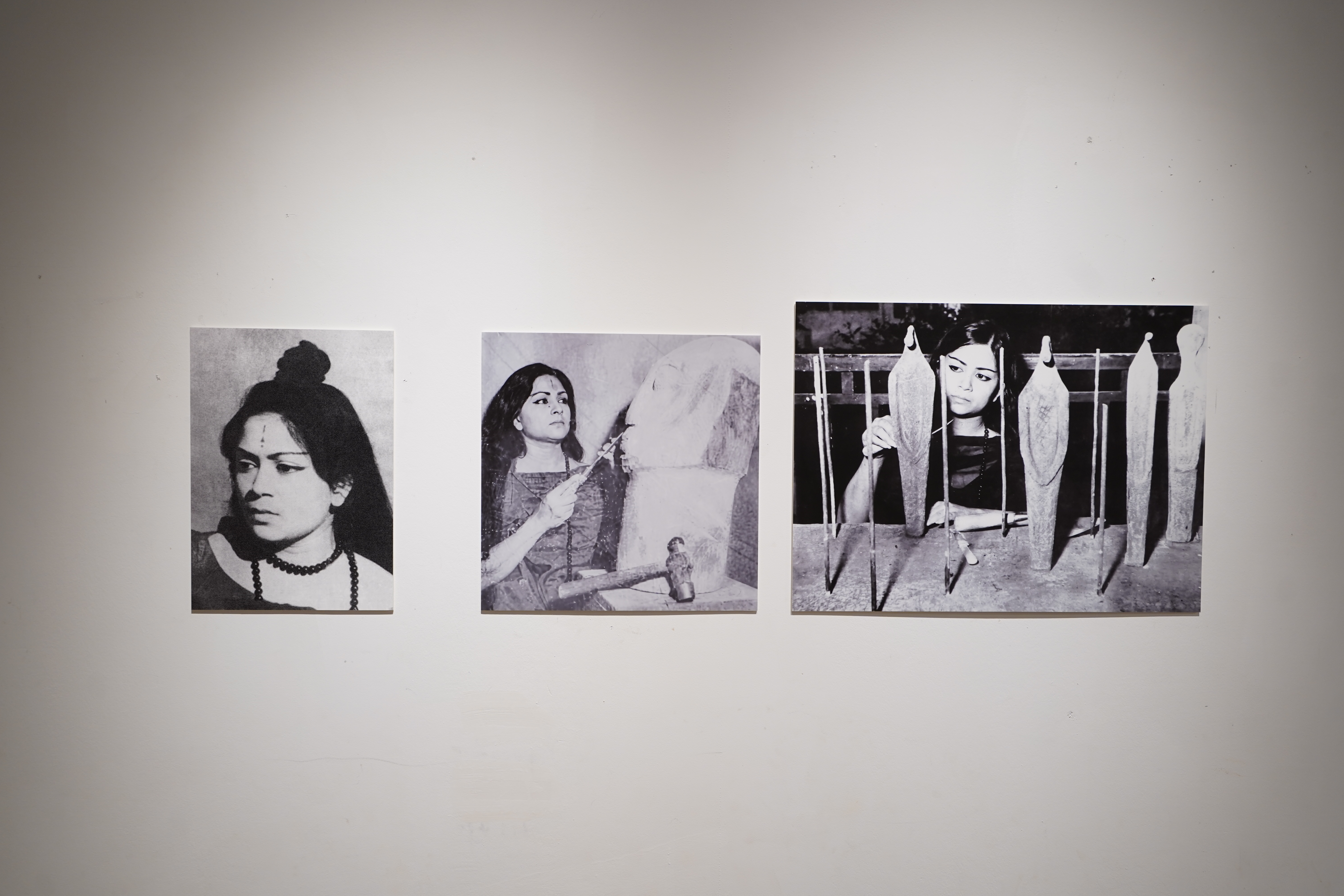
The exhibition’s wall chronology gives unusual weight to the movement of her life. It records the continuing uncertainty surrounding her year and place of birth, her admission to Comilla Victoria College in 1947, her move to London in 1950, and the beginning of her sculpture studies at Camberwell in 1951. It follows her European travels in 1954, her return to Dhaka, her work on a relief for the Central Public Library, and her involvement with the Shaheed Minar in 1957, before martial law halted the project in 1958.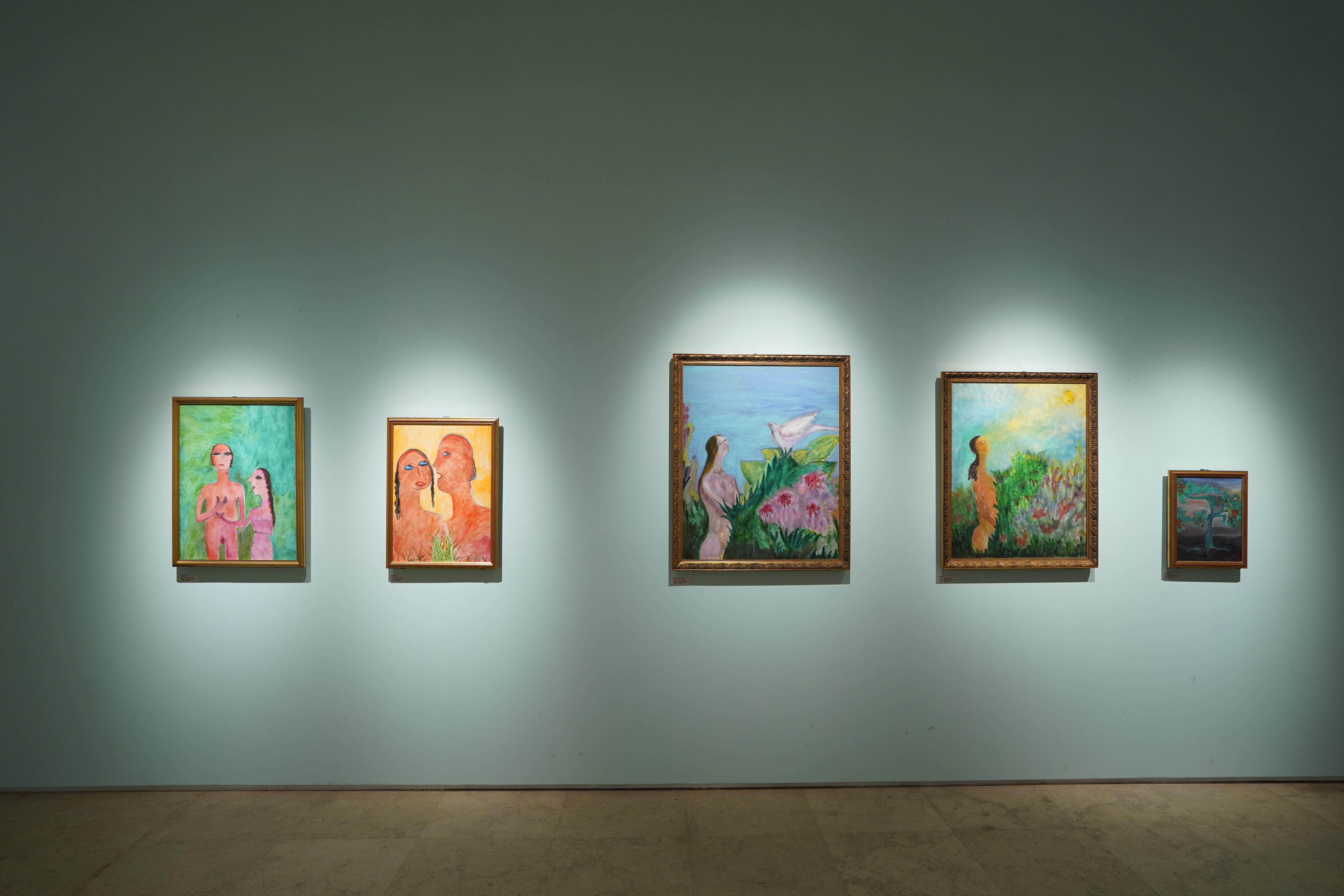
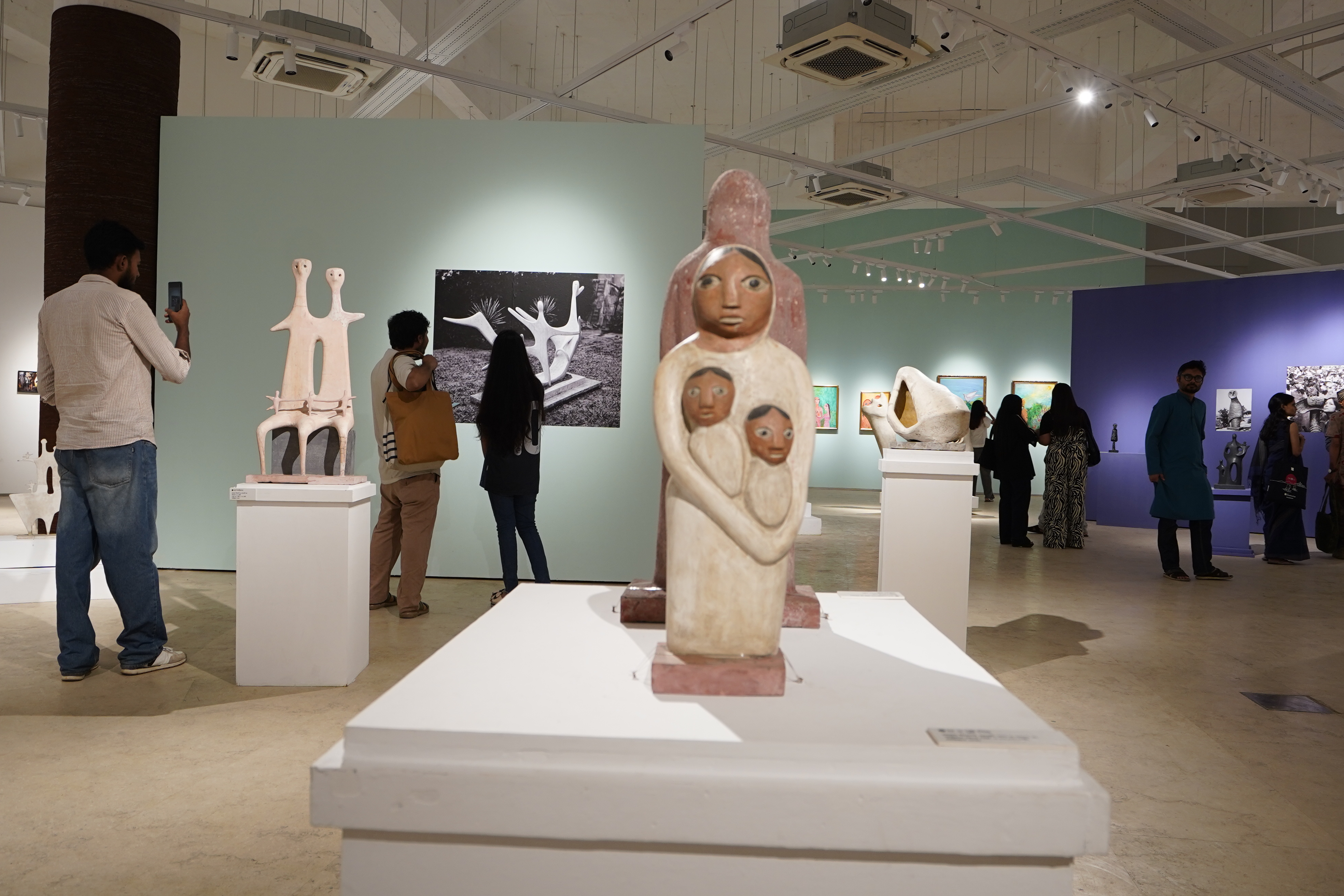
Her sculptural language developed through compressed bodies, simplified volumes, pierced surfaces, and a close relationship between mass and empty space. The standing women, maternal figures and grouped forms visible in the gallery carry references to rural Bengal, family, vulnerability and endurance, while their rough surfaces retain the physical memory of modelling and construction. The accompanying curatorial essay by researcher Shikoa Nazneen explains that Ahmed treated material as a carrier of labour, experience and history. Cement, bronze, metal alloys, welded steel and industrial remnants shaped the meaning of her work, and her approach allowed each material to determine its own visual structure.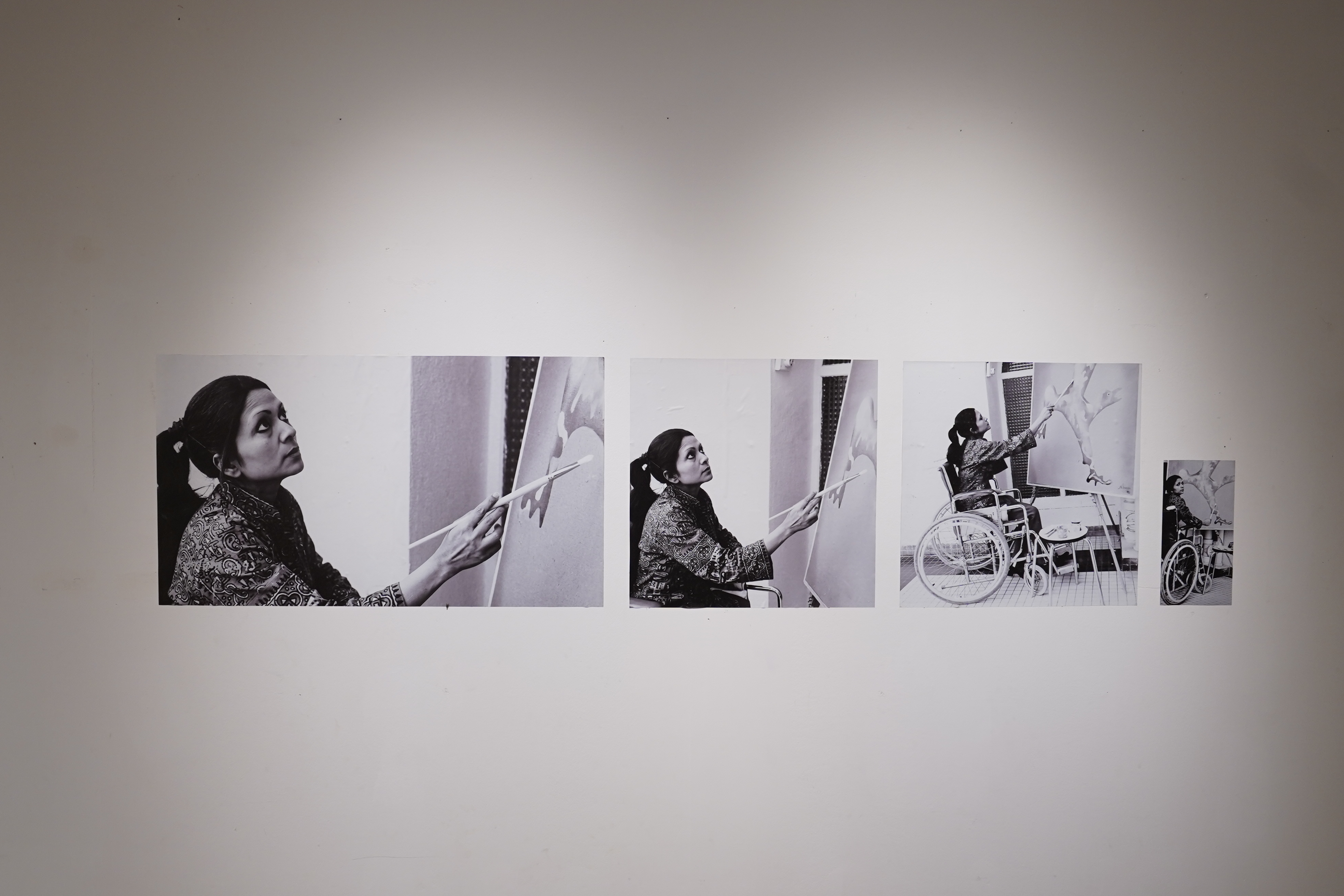
Ahmed’s 1960 solo exhibition, Inner Gaze, showed about 75 sculptures in Dhaka and became a landmark in the development of modern sculpture in the region. Her later practice expanded through travel and experimentation. The museum chronology records her return to Paris in 1971, travel to Greece in 1972, and a 1973 exhibition of sculpture and painting at Galerie Rive Gauche. It also traces later journeys through Europe, the Middle East and South Asia, extended periods in Venice, a 1998 sculpture exhibition at the National Museum, and a Paris retrospective in 2014.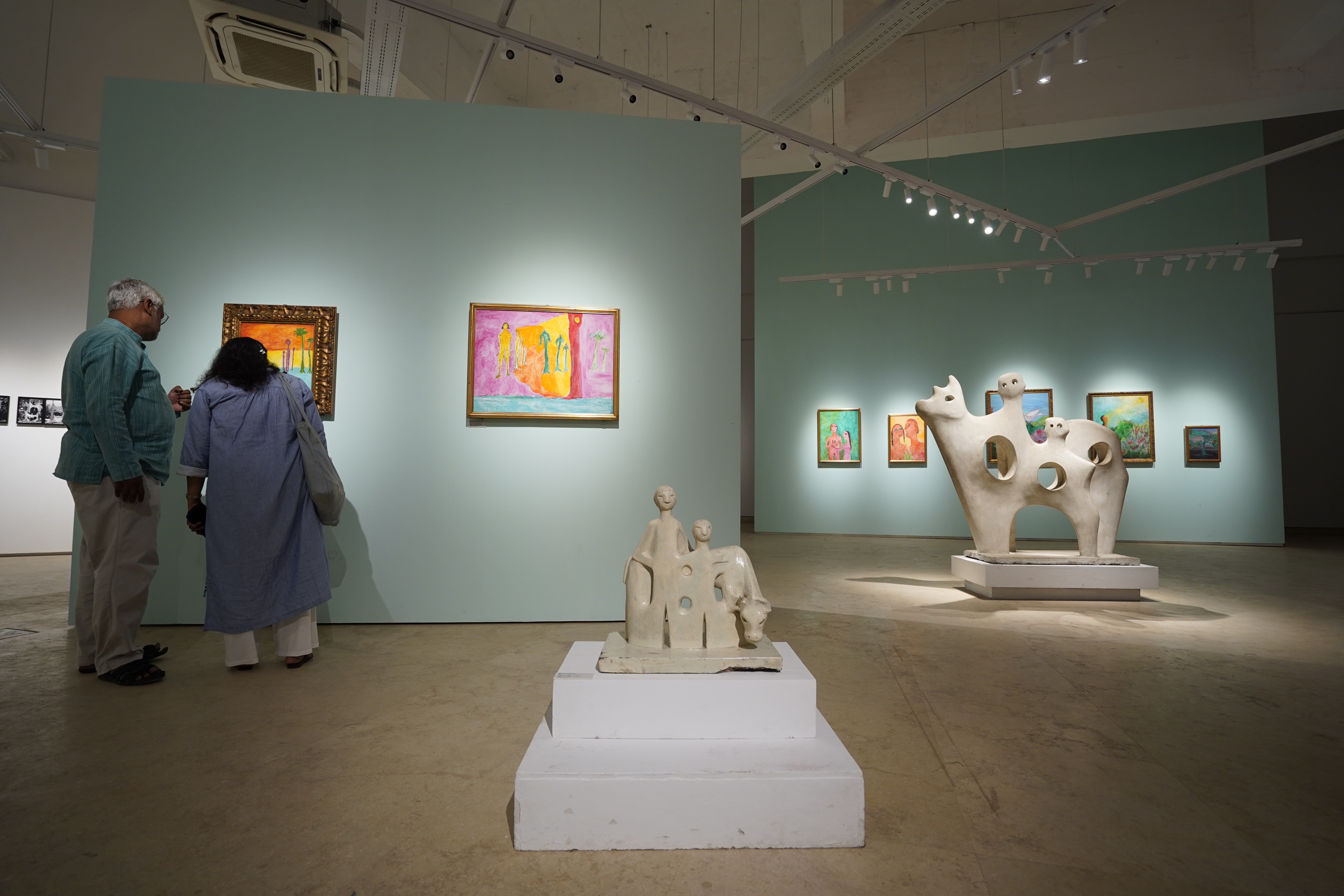
Ahmed’s independent life has often encouraged romantic speculation, yet the sculptures, photographs, timelines and personal belongings bring attention back to form, material and artistic intelligence. Visitors encounter an artist who developed a language that was grounded and deeply responsive to the cultural memory of Bengal.

 For all latest news, follow The Daily Star's Google News channel.
Comments