


Study finds microplastics in 3 out of 4 toothpaste samples
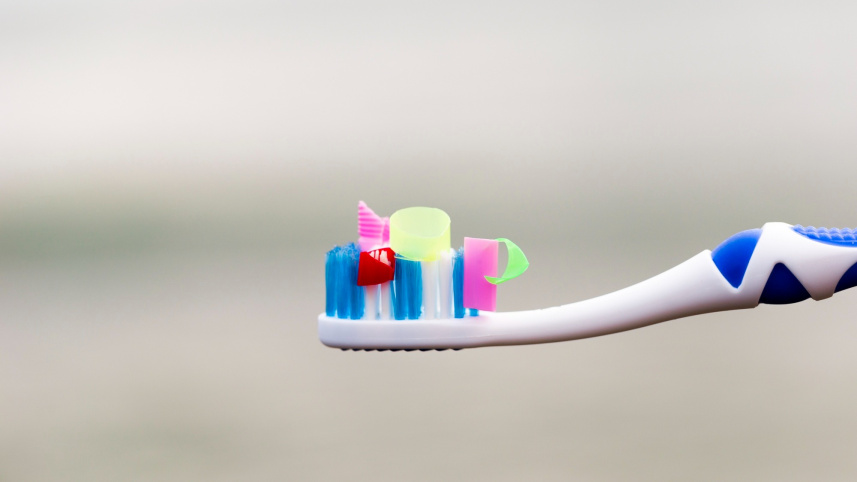
Microplastics were detected in 26 of 34 toothpaste samples tested in Bangladesh according to a new study, raising serious concerns about potential risks to human health and the environment.
Conducted by the Environment and Social Development Organisation (ESDO), the study analysed 34 toothpaste samples representing 19 major brands manufactured in Bangladesh, India, Thailand and Vietnam.

The concentration of microplastics ranged from 20 to 320 particles per 100 grammes of toothpaste, according to the study titled "Microplastics in Toothpaste: Scientific Evidence for Policy and Regulatory Action in Bangladesh".
Among locally manufactured products, 22 of 25 samples contained microplastics.
The study also detected microplastics in one of five Indian samples, one of two Thai samples and both samples manufactured in Vietnam.
Conducted between July 2025 and June 2026, the study also included six children's toothpaste products among the 34 samples tested.
Four of the six contained detectable microplastics, with concentrations ranging from 20 to 140 particles per 100 grammes, according to the study, which was unveiled today at ESDO's office in Dhaka's Lalmatia.
Emerging evidence suggests that microplastics may affect the respiratory, digestive, immune, cardiovascular and neurological systems, potentially causing inflammation, organ damage, hormone disruption, reduced fertility and effects on fetal development.
Bangladesh currently has no specific standard limits for microplastics in toothpaste, ESDO said, while calling for national regulations, standardised testing protocols and compliance requirements.
They also recommended phasing out and ultimately banning the intentional use of microplastics in toothpaste while promoting safer and more sustainable alternatives.
While presenting the findings, Foijun Nahar, research and policy associate of ESDO, said they have collected samples from retail outlets, supermarkets and wholesale markets and the laboratory analysis was conducted at the Laboratory of Environmental Health and Ecotoxicology at Jahangirnagar University.
Microplastics were found in 76.5 percent of the toothpastes, she said, adding that eight samples showed no detectable microplastics.
The highest microplastic concentrations were detected in Mediplus Fluoride Gel, which contains 320 particles per 100g of toothpaste. Mediplus Fluoride Gel was the most commonly used toothpaste brand among the respondents (35.6 percent), she said.
The other toothpastes containing microplastics are: Closeup Red Hot (160), Closeup Menthol Fresh (160), Kodomo Ultra Shield Formula (Strawberry) (140), Signal Green Tea (120), Pepsodent Advance Salt (100), Himalaya Complete Care (100), Sensodyne Fresh Mint (80), Pepsodent Sensitive Expert (60), White Plus Red (60), White Plus Pro Sensitive Gel (60), Meril Baby (Strawberry) (60), Mediplus TGP Formula (60), am.pm. Herbal (40), Mediplus DS (40), Pepsodent Germicheck (40), Meril Baby (orange), Magic Herbal (40), Meswak (40), Closeup Menthol Fresh Sachet (40), Dentin Gel (20), Pepsodent Kids (Orange) (20), Closeup Lemon Sea Salt (20), Brush UP Whitening Gel (20), Signal Whitening (60) and White Plus Pro Sensitive (20).
Among these toothpastes, Kodomo Ultra Shield Formula (Strawberry), Meril Baby (Strawberry), Meril Baby (Orange) and Pepsodent Kids Orange are for children.
The eight samples, which showed no detectable microplastics, are: Parodontax Expert Gum Care, Zenfresh, Parachute Just for Baby (Mango), Sensodyne Fresh Gel, Colgate MaxFresh, Closeup Red Hot Zinc Fresh Technology, Kodomo (Orange) and Colgate Active Slat.
Of these toothpastes, Kodomo Orange and Parachute Just for Baby (Mango) are for children.
She said they have also surveyed 2,760 consumers, of whom 90.6 percent used a toothbrush while 82.5 percent used toothpaste regularly.
As much as 42 percent of the 2,760 respondents said they never heard of microplastics, while 27 percent said they were aware of microplastics.
Microplastics were intentionally used in toothpastes to reduce raw material costs, said Shahriar Hossain, secretary general of ESDO.
 For all latest news, follow The Daily Star's Google News channel.
 “It is a form of malpractice and amounts to deceiving consumers. Under consumer rights laws, such practices are normally punishable offences,” he said.
Asked about the companies' explanation for the harmful substance, he said the brands said there is no regulation prohibiting the use of microplastics in toothpaste.
Microplastics are also used in toothpastes to whiten teeth, but such products could be harmful, said Prof Mosharraf Hossain Khandker, a dental surgeon and former line director of the Directorate General of Medical Education.
“The mouth is the gateway for both health and germs. When teeth are damaged, a person’s overall health can also be affected,” he said.
There is a list of materials that can be used in toothpaste, and microplastics are not on the list, said Manjurul Karim, deputy director of the Bangladesh Standards and Testing Institution.
The authorities were not previously aware of the presence of microplastics in toothpaste, so the law would now have to be amended to enable them to take action in this regard, he said.
As Bangladesh's first baseline study on microplastics in toothpaste, this research provides the evidence needed to guide future standards, strengthen regulation, and better protect consumers and the environment, said ESDO Chairperson Syed Marghub Murshed.
This study fills a critical scientific gap in the country, and hopefully the authority concerned will take steps following the revelation, said ESDO Executive Director Siddika Sultana.
WHAT DO MAJOR COMPANIES SAY?
Among the 34 samples, nine are from Unilever Bangladesh, and microplastics were detected in eight of them.
Contacted, the company, in a written reply, said all its products, including toothpaste brands, are developed and manufactured in compliance with rigorous global quality standards and local regulatory requirements and are safe for use and consumption.
“We have noted the ESDO report and are seeking additional information on its findings, methodology, testing process etc,” the statement said.
Six samples are from Square Toiletries and microplastics were found in all of them.
Contacted, Jesmin Zaman, the company's head of marketing, said there is no reason for such a substance to be present in their products.
“We provide our products in compliance with all Bangladeshi guidelines and regulatory requirements. Square has always been committed to ensuring the trustworthiness and quality of its products.”
However, since such a report has been published, Square's technical team are testing the products to determine whether any such substance is actually present, she said.
“We are also having the products tested by a third party. If anything of this nature is found, we will immediately take the necessary action,” she added.
Four of the samples, including Mediplus Fluoride Gel, were from Anfords Bangladesh. This correspondent called a mobile number listed on the company’s Facebook page. A woman answered the call and said she was from the company’s HR department.
When asked for the company’s comment, she said the managing director was busy and asked this correspondent to call back later. However, when this correspondent called again later, she did not answer.
Comments