


What is the new US 10% tariff on Bangladesh and how does it differ this time?
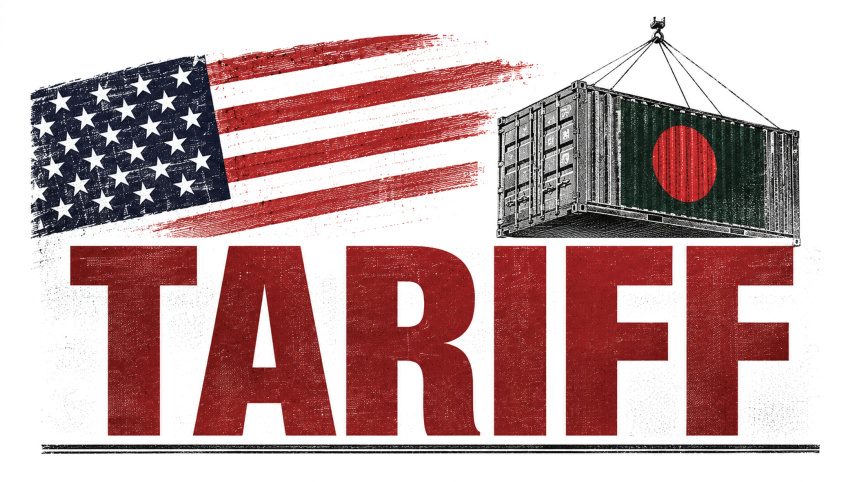
The US has rolled out a fresh 10 percent duty on all imports from Bangladesh under Section 301 of the Trade Act of 1974, replacing a temporary global tariff. The new 10 percent tariff will make the total duty on the country's garment shipments to the USA at 25.62 percent that includes the existing 15.62 percent Most-Favoured-Nation (MFN) tariff rate.
The rate is just replacement of previous universal rate at 10 percent to another name failure to impose prohibition on import of goods produced using the forced labour.

The tariff was announced by the Office of the United States Trade Representative (USTR) on July 23 and took effect on July 24.
Why forced labour?
Following the nullification of reciprocal tariffs by the US Supreme Court from the Agreement on Reciprocal Tariffs (ART), the Trump administration was looking for the opportunity to impose higher tariffs on the imported goods.
So in March, the USTR has launched an investigation on 60 economies including Bangladesh globally under Section 301 to determine whether they failed to block imports made with forced labour. Bangladesh was found to have a “partial enforcement framework”, placing it in the lower of two tariff bands ranging from 10 percent to 12.5 percent.
A shifting tariff landscape
This is the third tariff regime Bangladeshi exporters have faced only in two years. Exporters faced a 15.62 percent base rate before reciprocal tariffs were imposed under a national emergencies law in April 2025. After the US Supreme Court struck down that regime in February this year, a temporary 10 percent global tariff under Section 122 filled the gap until its 150-day legal limit expired on July 24, replaced immediately by the Section 301 tariff.
Official and exporter reactions
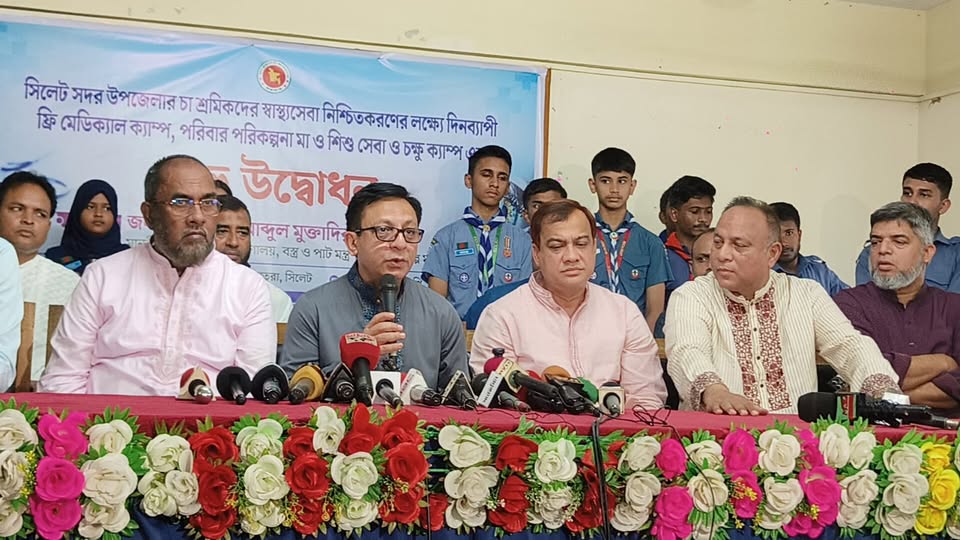
Government officials and trade leaders view the measure as a continuation. Commerce Minister Khandaker Abdul Muktadir said the measures would not create any new impact as the tariff rate remains unchanged.
Faisal Samad, director of Bangladesh Garment Manufacturers and Exporters Association, echoed the view, adding it will not impact exports.
Meanwhile, the Ministry of Foreign Affairs (MoFA) said Bangladesh retains its competitive standing as key apparel-exporting rivals face a higher 12.5 percent duty.
"This distinct differential reinforces Bangladesh's ongoing comparative advantage in the US market relative to its high-tariff competitors," MoFA said.
It added that the USTR is considering a three-year Tariff-Rate Quota (TRQ) for Bangladesh, Cambodia, Indonesia and Malaysia to waive Section 301 tariffs on goods made from US cotton and textile inputs.
The bilateral deal complication
The interim government signed a US-Bangladesh Agreement on Reciprocal Trade (ART) on February 9 this year, setting a 19 percent rate in exchange for market opening. Because ART rested on the struck-down emergency-powers structure, the government is seeking formal clarification on whether the 19 percent rate applies or is superseded by Section 301.
Where Bangladesh stands against rivals
Dhaka retains its competitive standing in apparel exports, being among 17 of 86 countries placed in the lower 10 percent tier. Competitors China, Vietnam, and Thailand face the maximum 12.5 percent rate, reinforcing Bangladesh's ongoing comparative advantage, the foreign ministry noted.
 For all latest news, follow The Daily Star's Google News channel.
Comments