


Fed flags spending dip on non-essentials as fuel costs bite
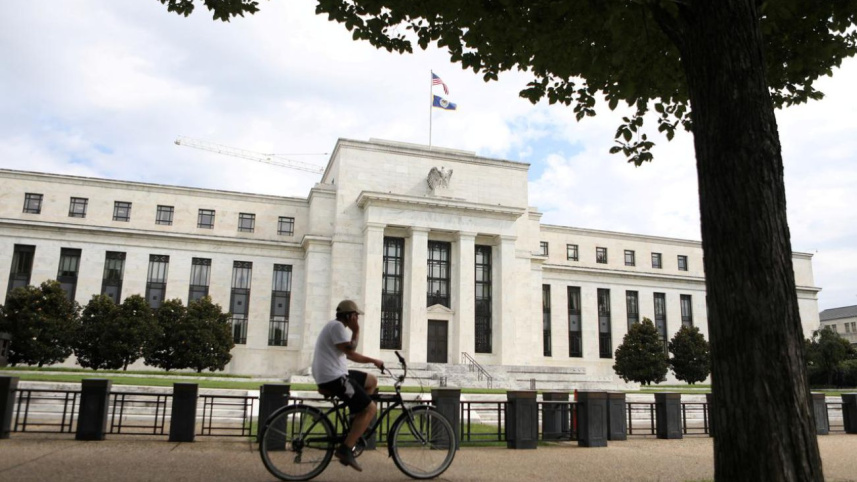
The US Federal Reserve on Wednesday flagged that consumers were pulling back on non-essential spending, as higher fuel costs weighed on sales in other areas.
Businesses and organizations “generally expected the economy to continue to expand in the coming months,” the Fed said in its “beige book” survey of economic conditions.

But it added that several among the 12 districts it is monitoring “noted elevated uncertainty in the outlook for fuel costs.”
The report comes ahead of the next policy meeting for the Fed’s rate-setting committee between July 28 and 29. Energy costs have surged since US-Israel strikes targeting Iran from February prompted Tehran’s retaliation in virtually closing off the Strait of Hormuz.
Prices at US gasoline pumps climbed as the Middle East plunged into war, squeezing household budgets and piling pressure on the Trump administration ahead of key midterm elections this year.
“Consumer spending edged up as higher prices, particularly for fuel, dampened sales in other categories,” the US central bank said in its report Wednesday. “Several districts noted declines in spending on discretionary items or trading down to more affordable varieties,” the Fed added.
Some districts also saw a tourism boost from World Cup visitors during the period between late May and June.
But prices “increased moderately overall,” with higher energy, transportation and raw materials costs trickling through the economy, the Fed noted.“Some contacts tied these cost increases to the conflict in the Middle East; others mentioned tariffs,” the report said.
Some firms also saw their business costs rise more than they could hike their selling prices, squeezing their margins.
US Fed officials have been keeping a close eye on price pressures as inflation has remained stubbornly above its longer term two-percent target for around five years. Traders are expecting a rate hike this year -- in September or later, according to the CME Group’s FedWatch tool -- as the bank seeks to tamp down inflation.
 For all latest news, follow The Daily Star's Google News channel.



Comments